


What's Happening?
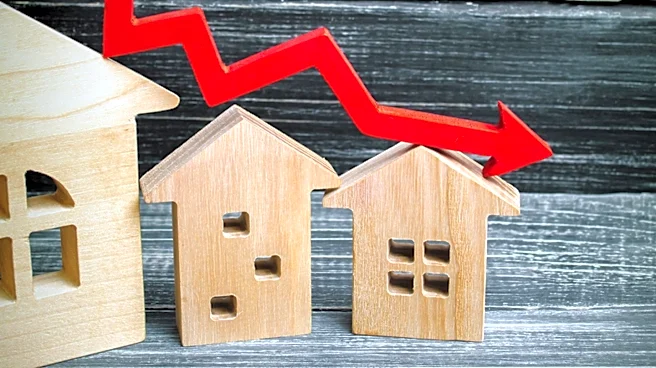
The housing market in Metro Denver experienced a slowdown in July, with the number of home closings dropping by 11.8% from June, according to the Denver Metro Association of Realtors. This decline is attributed to the seasonal effect of families settling
before the school year and an increase in 30-year mortgage rates, which rose from approximately 6.3% in June to 6.8% by the end of July. Despite the slowdown, certain life events such as job changes and family growth continue to drive transactions. New listings decreased by 5.3% from June, although they are slightly up from the previous year. The median price for single-family homes fell to $660,000, a 2.2% decrease from June, but still 1.5% higher than the previous year. Condos and townhomes also saw a price drop, with median prices falling by 2.6% both monthly and annually.
Why It's Important?
The slowdown in Denver's housing market reflects broader economic trends, particularly the impact of rising mortgage rates on home affordability. As rates increase, potential buyers may be deterred, leading to fewer transactions and a cooling market. However, the rise in household incomes has improved affordability in the starter home market, with 68% of such homes being affordable to households earning the median income. This dynamic suggests that while higher-end markets may face challenges, the entry-level market remains accessible, potentially stabilizing the overall housing sector. The situation highlights the delicate balance between interest rates, income levels, and housing affordability, which are critical factors for economic stakeholders, including real estate professionals and policymakers.
What's Next?
Looking ahead, the Denver housing market may continue to experience fluctuations as mortgage rates and economic conditions evolve. Stakeholders will likely monitor interest rate trends closely, as further increases could exacerbate affordability issues. Additionally, the market may see adjustments in inventory levels and pricing strategies as sellers and buyers adapt to the changing landscape. Policymakers and real estate professionals may need to consider measures to support affordability and sustain market activity, particularly in the starter home segment, which remains a vital component of the housing market.