






What's Happening?
Vitalik Buterin, co-founder of Ethereum, has published a detailed exploration into open-source chip design, advocating for decentralization at the hardware level. Buterin argues that computing hardware should not remain a proprietary 'black box' and that open-source designs
could have significant implications beyond the Ethereum ecosystem. His vision for Ethereum hardware prioritizes openness, verifiability, and security, contrasting with the industry's current focus on raw performance. Buterin acknowledges that open-source hardware may face performance limitations compared to sophisticated commercial processors due to the expense and control associated with advanced chip manufacturing. However, he suggests that even with reduced efficiency, such hardware could be sufficient for many computing needs, particularly those requiring high levels of trust and security. This initiative aims to extend the crypto principle of trust and verifiability from software and blockchain transactions to the underlying physical hardware.
Why It's Important?
This exploration by Vitalik Buterin is significant because it proposes a fundamental shift in how hardware is developed and trusted, potentially impacting the broader technology industry. By advocating for open-source chip design, Buterin challenges the dominance of companies like Nvidia, which have built their success on proprietary hardware and ecosystems. The move could foster a new paradigm where hardware is designed with transparency and verifiability as core tenets, addressing concerns about hidden vulnerabilities or malicious modifications in closed-source chips. For the U.S. technology sector, this could spur innovation in secure computing and cryptographic hardware, potentially leading to new market opportunities for companies willing to embrace open standards. It also highlights a growing demand for trustworthy hardware in an era where digital security and data integrity are paramount, influencing future investment and development in chip manufacturing and design.
What's Next?
Buterin's deep dive into open-source chip design suggests a potential future where Ethereum could develop its own hardware ecosystem, moving beyond its current blockchain infrastructure. This could lead to the creation of specialized silicon tailored for cryptographic operations, privacy-preserving computing, and decentralized networks. While open-source hardware may not immediately compete with high-performance processors from industry leaders like Nvidia, it could carve out a niche in areas where security and verifiability are prioritized over raw speed. The initiative could also inspire a broader movement towards open hardware across various computing domains, including personal computers, servers, and IoT devices. Future developments might involve collaborations between the Ethereum developer community and hardware manufacturers to bring these open designs to fruition, potentially fostering a more transparent and secure computing landscape.
Beyond the Headlines
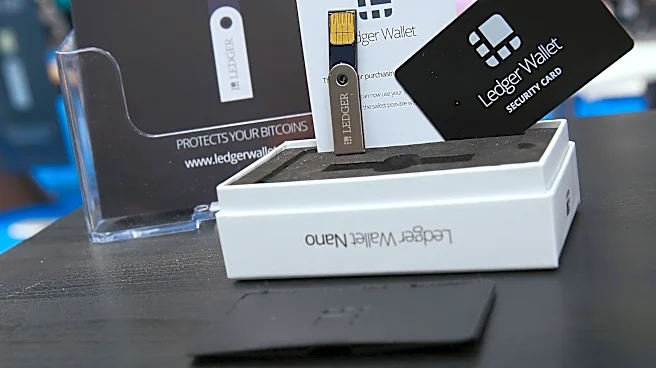
The ethical and philosophical implications of Buterin's proposal are profound. By extending the decentralization philosophy to the silicon level, he addresses a critical trust issue in modern computing: the inability to fully inspect and verify the hardware that underpins our digital lives. The mantra 'Not your silicon, not your keys' underscores the idea that even secure software can be compromised if the underlying hardware is untrustworthy. This initiative could trigger a long-term shift in how hardware is perceived and developed, moving towards a model where transparency and community auditing are as crucial as performance. It also raises questions about the future of intellectual property in hardware design and the potential for a more collaborative, less proprietary approach to technological advancement. This could ultimately lead to a more resilient and secure digital infrastructure, benefiting users and industries reliant on trustworthy computing systems.