




What's Happening?
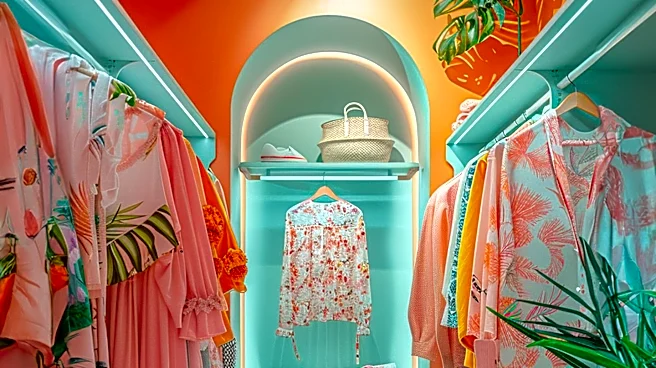
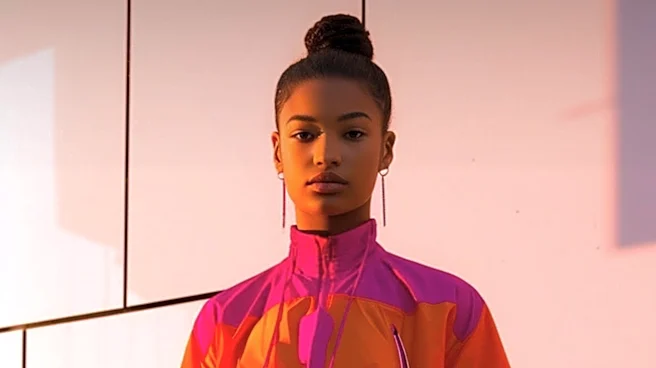
The United States is experiencing a notable resurgence of Y2K (early 2000s) nostalgia, particularly within active lifestyle and fashion sectors. This trend is characterized by the revival of specific 2000s fashion elements, which are gaining traction
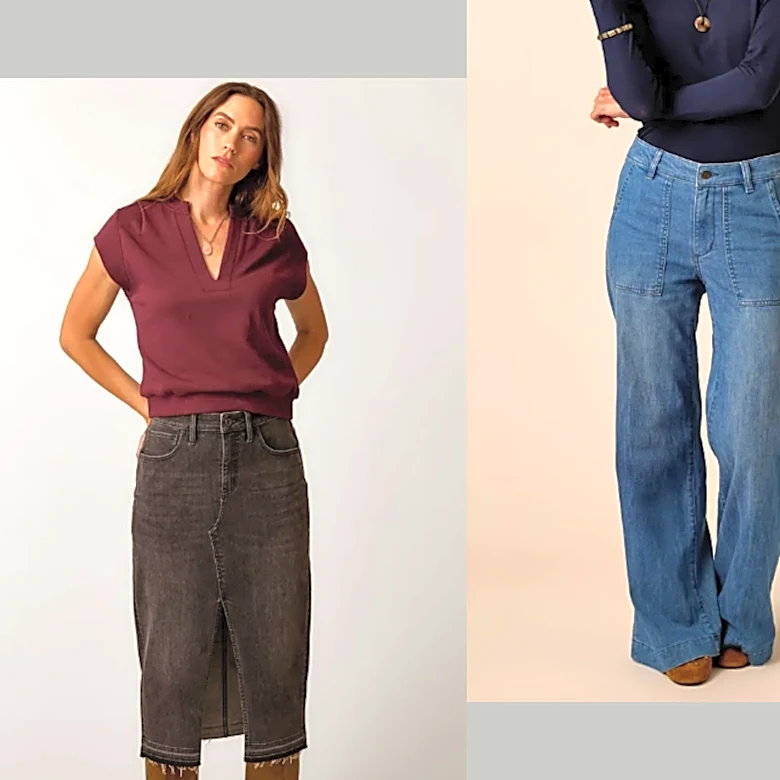
among younger generations, especially Gen Z. Examples include the popularity of Y2K-styled dresses found in thrift stores like Nostalgia Providence and a general shift towards more modest swimwear designs. Celebrities such as Olivia Rodrigo are also embracing and popularizing these early 2000s aesthetics. The cyclical nature of fashion, combined with the enduring appeal of surf culture, is driving this phenomenon. This blend of sporty and nostalgic elements is leading to the creation of versatile, activewear-friendly pieces that resonate with contemporary consumers. The trend is not merely a replication of past styles but an evolution that integrates historical fashion codes with current relevance, as seen in brands like Desigual which are reinterpreting iconic prints from that era.
Why It's Important?
This Y2K resurgence holds significant implications for the U.S. fashion and retail industries. For businesses, understanding and adapting to this trend is crucial for market relevance and consumer engagement, particularly with the influential Gen Z demographic. The demand for vintage and Y2K-inspired clothing boosts the resale market and thrift stores, impacting traditional retail models. Furthermore, the emphasis on 'activewear-friendly' pieces suggests a broader cultural shift towards comfort and versatility in clothing, blurring the lines between athletic wear and everyday fashion. This trend also highlights the power of celebrity influence and social media platforms like TikTok and Reels in shaping consumer preferences and accelerating fashion cycles. Brands that can authentically integrate nostalgic elements while maintaining contemporary appeal are poised to capture a significant market share, influencing design, marketing strategies, and inventory management across the industry.
What's Next?
The Y2K nostalgia trend is expected to continue evolving, with designers and brands likely to further explore and reinterpret early 2000s aesthetics. We may see an increased integration of technology in fashion, such as AI-powered tools for creating Y2K-inspired content and designs, as indicated by apps like Picsart offering 'TrendFX' for Y2K effects. This could lead to more personalized and rapidly produced fashion items. Retailers will likely expand their vintage and Y2K-inspired collections, potentially collaborating with influencers and celebrities to amplify reach. The trend's longevity will depend on its ability to adapt and innovate, moving beyond mere replication to offer fresh interpretations that resonate with new generations. This could also spur further interest in sustainable fashion practices, as consumers turn to thrift stores and upcycling to achieve the desired aesthetic, impacting supply chains and manufacturing processes.
Beyond the Headlines
Beyond its immediate impact on fashion, the Y2K nostalgia trend reflects deeper cultural and psychological undercurrents in the U.S. It suggests a collective yearning for a perceived simpler or more optimistic past, especially among younger generations who did not experience the early 2000s firsthand. This 'retromania' can be seen as a coping mechanism in an increasingly complex world, offering comfort and a sense of familiarity. Ethically, the trend raises questions about cultural appropriation versus appreciation, particularly as styles from diverse subcultures are re-commercialized. It also underscores the environmental implications of fast fashion, as the rapid cycling of trends can contribute to increased consumption and waste, even as thrift store popularity offers a more sustainable alternative. The blend of digital tools and physical fashion in this trend highlights the ongoing convergence of technology and lifestyle, shaping how identity and self-expression are constructed in the modern era.