





What's Happening?
A recent study published in Psychology of Popular Media indicates that young viewers of the reality dating series 'Love Island' who experience sustained body pressure while watching are more likely to report increased dieting, exercise, and desire for
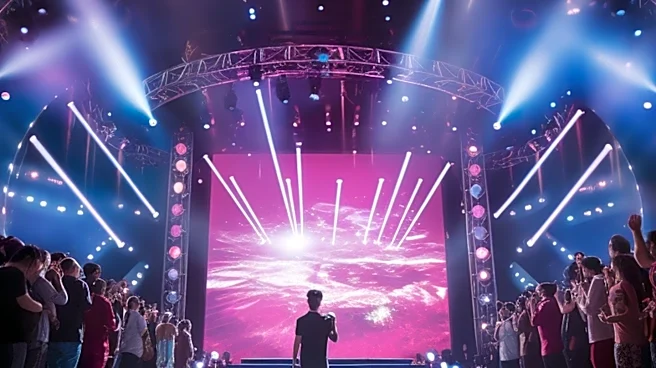
cosmetic procedures. The research, led by Edward John Noon, a senior lecturer at Leeds Trinity University, tracked viewers across an entire broadcast season. It found that body pressure felt during the initial week of viewing did not significantly predict these outcomes, but heightened pressure experienced midway through the season did. This suggests that prolonged exposure to the show's idealized body standards may be a key factor. The study also noted a partial two-way relationship, where viewers who initially expressed a desire for cosmetic procedures tended to feel greater body pressure a month later. 'Love Island' features contestants who are predominantly slim, toned, and often cosmetically enhanced, frequently appearing in swimwear, which has fueled public concern about its impact on young audiences.
Why It's Important?
This research is significant because it provides longitudinal data on the 'Love Island effect,' moving beyond previous one-time polls and internet search analyses. It highlights the potential influence of appearance-focused reality television on the body image and self-perception of young audiences in the U.S. and globally. The findings suggest that sustained exposure to idealized body types in media can contribute to increased engagement in body-altering strategies, including dieting, muscle-building, and considering cosmetic procedures like Botox and liposuction. This has implications for public health, mental wellness, and media literacy efforts aimed at young people. Understanding this dynamic can help educators, parents, and healthcare professionals address body image concerns more effectively and promote healthier self-perceptions among vulnerable populations who consume such media.
What's Next?
Future research is needed to determine if the increases in body pressure and body-changing tendencies observed during 'Love Island' viewing persist after the season concludes, or if they are temporary. Researchers also aim to identify specific vulnerability factors, such as body surveillance, that make some viewers more susceptible to appearance pressure, as well as protective factors like critical media literacy. This will help in developing more targeted interventions and support systems for young people. Additionally, studies with larger, more gender-balanced participant groups are necessary to broaden the generalizability of these findings, as the current study predominantly involved young female viewers. Understanding these long-term effects and individual differences will be crucial for informing media consumption guidelines and educational programs.
Beyond the Headlines
The study delves into the deeper implications of reality television's portrayal of idealized bodies, touching upon ethical considerations regarding media responsibility and the psychological impact on viewers. It highlights the ongoing debate about whether idealized bodies in media genuinely harm viewers' body image, suggesting that the context of 'reality' television may amplify these effects compared to scripted fiction. The findings also underscore the potential for a self-reinforcing cycle where pre-existing desires for cosmetic alterations can heighten perceived body pressure from media. This raises questions about the cultural normalization of cosmetic enhancements and the role of media in shaping societal beauty standards, potentially leading to increased demand for such procedures and further blurring the lines between natural appearance and media-driven ideals.