





What's Happening?
Holtzople, a HVAC service provider, is advising homeowners on maintaining optimal indoor humidity levels during winter to prevent discomfort and potential property damage. According to the U.S. Environmental Protection Agency (EPA), indoor humidity should
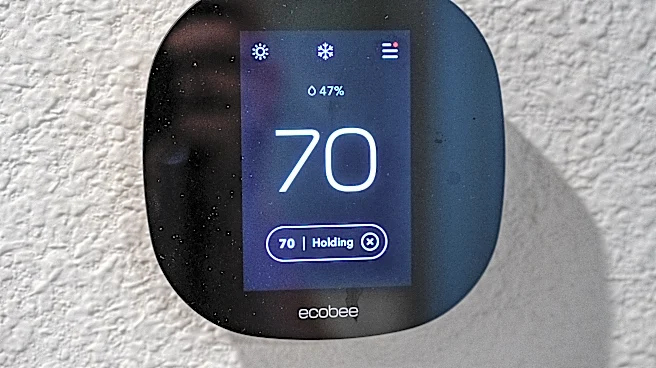
ideally be kept between 30% and 50%. During winter, Holtzople recommends setting humidifiers between 30% and 40%, and even lower during extremely cold periods. Cold outdoor air contains less moisture, and when this air infiltrates homes and is heated, its relative humidity drops significantly, leading to dry indoor conditions. Signs of excessively dry air include dry skin, static shocks, and damage to wood furnishings. Conversely, too much moisture can cause condensation on windows, musty odors, and mold growth. Holtzople emphasizes that the ideal humidity level can fluctuate based on outdoor temperatures and suggests using a hygrometer to monitor indoor conditions accurately.
Why It's Important?
Managing indoor humidity in U.S. homes during winter is crucial for both occupant health and property preservation. Improper humidity levels can lead to a range of issues, from respiratory discomfort and increased susceptibility to illness due to dry air, to structural damage and mold growth caused by excessive moisture. For homeowners, understanding and controlling humidity can significantly impact energy efficiency, as balanced humidity can make a home feel more comfortable at lower thermostat settings. For the HVAC industry, this highlights the importance of offering comprehensive indoor air quality services, including whole-home humidifiers and ventilation systems, as homeowners seek solutions beyond basic heating and cooling. Failure to address humidity issues can result in costly repairs and health problems, making this a significant concern for residential property owners and service providers.
What's Next?
Homeowners are encouraged to actively monitor their indoor humidity levels using hygrometers and adjust their humidification or dehumidification strategies accordingly. Holtzople suggests sealing drafts to prevent dry air infiltration and utilizing bathroom and kitchen exhaust fans to manage excess moisture. For persistent issues, professional HVAC evaluation is recommended to determine the most appropriate solutions, which may include installing whole-home humidifiers or ventilation systems. As awareness of indoor air quality grows, there may be an increased demand for smart home systems that automatically adjust humidity based on real-time indoor and outdoor conditions. This proactive approach to humidity management will likely become a standard component of home maintenance, particularly in regions experiencing significant winter temperature fluctuations.
Beyond the Headlines
The discussion around winter indoor humidity extends beyond immediate comfort to broader implications for home longevity and public health. The presence of mold due to high humidity can trigger allergies and respiratory problems, underscoring the health dimension of proper humidity control. From an environmental perspective, tightly sealed, energy-efficient homes, while beneficial for insulation, can inadvertently trap moisture and pollutants, making intentional ventilation and humidity management even more critical. This highlights a design challenge for modern construction: balancing energy efficiency with healthy indoor environments. The need for professional evaluation also points to the increasing complexity of home systems, requiring specialized knowledge to diagnose and resolve interconnected issues of air quality, ventilation, and humidity. This trend suggests a future where holistic home health assessments become as common as energy audits.