





What's Happening?
Marianna Sachse, founder and CEO of Jackalo, a children's clothing brand, is championing a shift towards more sustainable and durable apparel for kids. Sachse initiated Jackalo after experiencing the rapid deterioration of her own son's clothing, highlighting
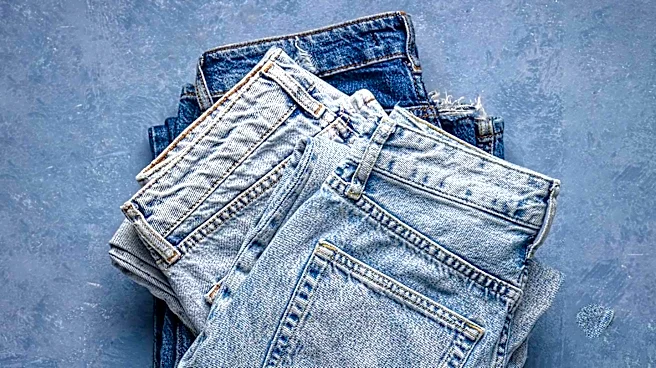
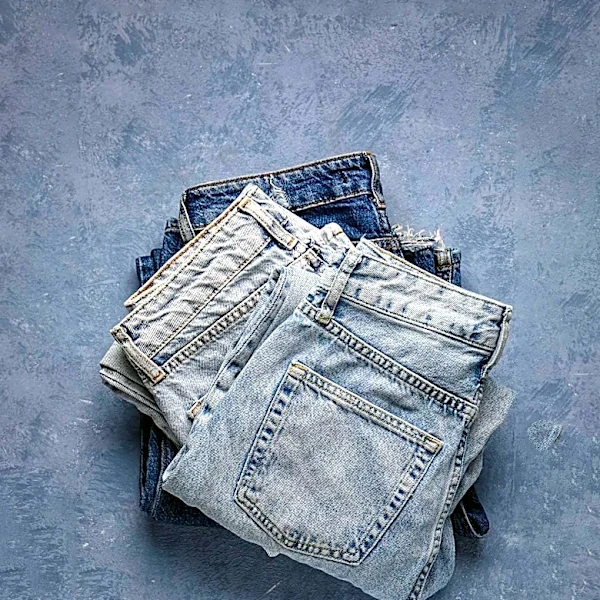
a prevalent issue in the children's fashion industry where garments are often not designed to last. Her company focuses on creating long-lasting, ethically made clothes using reclaimed materials. Jackalo's new 'Broken In' collection, for instance, utilizes B-grade denim that would otherwise be discarded, transforming it into new children's wear. Sachse emphasizes a four-question framework for smarter buying: 'Do I need this?', 'Can I get it secondhand?', 'Does the company align with my values?', and 'How do I make it last?'. This approach encourages consumers to consider the longevity and environmental impact of their purchases, moving away from a 'throwaway mindset' that has become common in fast fashion for both adults and children.
Why It's Important?
This initiative is important for several reasons, impacting U.S. industries, public policy, and society. The children's clothing market, like the broader fashion industry, contributes significantly to waste and resource depletion. By promoting durable, ethically produced clothing and encouraging secondhand purchases, Jackalo challenges the fast fashion model, which often relies on planned obsolescence and cheap, low-quality goods. This shift can lead to reduced textile waste, lower demand for new raw materials, and a more circular economy. Consumers stand to gain by investing in higher-quality items that offer better cost-per-wear, even if the initial price is higher. Businesses that adopt sustainable practices, like Jackalo, could influence industry standards and encourage other brands to prioritize durability and ethical production. Furthermore, educating children and parents on conscious consumption fosters a generation more aware of environmental impact and responsible purchasing habits, potentially leading to broader societal changes in how goods are valued and consumed.
What's Next?
The movement towards sustainable children's clothing, spearheaded by brands like Jackalo, is likely to gain further traction as consumer awareness about environmental issues grows. We can anticipate increased demand for transparency in supply chains and a greater emphasis on product longevity and repairability from both consumers and advocacy groups. More brands may explore circular models, including take-back programs, resale platforms, and upcycling initiatives, to meet these evolving consumer expectations. Policy discussions might also emerge regarding textile waste and the environmental impact of the fashion industry, potentially leading to incentives for sustainable production or regulations on material use. Marianna Sachse's continued advocacy and the success of Jackalo's 'Broken In' collection could serve as a case study for other businesses looking to integrate sustainability into their core operations, influencing industry best practices and fostering a more responsible approach to manufacturing and consumption.
Beyond the Headlines
The deeper implications of Jackalo's approach extend beyond just clothing, touching upon ethical consumption, resource management, and intergenerational responsibility. Sachse's reference to the Iroquois principle of considering seven generations in decision-making highlights a profound shift in perspective from short-term gains to long-term sustainability. This philosophy challenges the prevailing economic model that often prioritizes immediate profit over environmental and social well-being. The 'Broken In' collection, by repurposing B-grade denim, not only addresses textile waste but also redefines the value of 'used' materials, promoting a mindset where resources are continually cycled rather than discarded. This could lead to a broader re-evaluation of waste streams across various industries, encouraging innovation in material science and manufacturing processes. Ultimately, fostering conscious consumption in children from a young age can cultivate a generation that inherently values durability, ethical production, and environmental stewardship, potentially leading to a more sustainable and equitable future.