







What's Happening?
Recent health trends are shifting focus from quick fixes and dramatic transformations to the adoption of sustainable daily habits for long-term well-being. This includes a growing appreciation for everyday movement, such as walking after dinner, taking
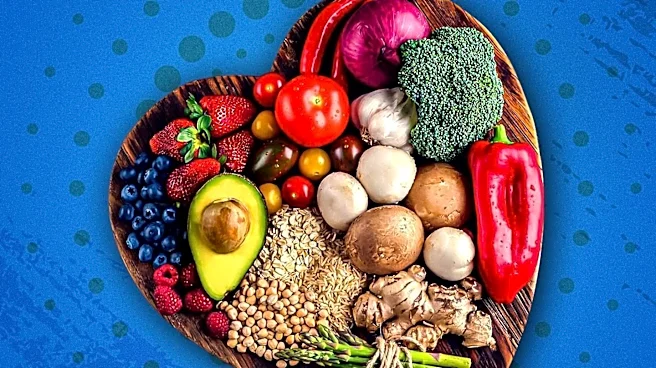
stairs, or gardening, recognizing that even small amounts of physical activity contribute to health benefits like improved sleep, cardiovascular health, bone strength, and mental well-being. Sleep is also receiving increased attention, with an emphasis on consistent, good-quality sleep for mood, attention, metabolism, and heart health, rather than just total hours. Food choices are moving towards a broader perspective, focusing on overall eating patterns with a balance of nutrients, rather than labeling individual foods as 'good' or 'bad.' Additionally, there's a more thoughtful approach to supplements, encouraging consumers to understand their purpose and consult healthcare providers.
Why It's Important?
This shift in health trends holds significant importance for U.S. society, industries, and public policy. By promoting sustainable daily habits, it addresses the widespread issue of health fads that often lead to short-term results and eventual abandonment. This approach can lead to more consistent improvements in public health, potentially reducing the prevalence of chronic diseases and associated healthcare costs. For the healthcare industry, it signifies a move towards preventive care and patient education on long-term wellness. Businesses might find value in promoting these practical habits among employees, leading to a healthier, more productive workforce and reduced absenteeism. Individuals stand to gain a more realistic and less intimidating path to better health, fostering a sense of empowerment and self-efficacy in managing their well-being.
What's Next?
Moving forward, it is anticipated that public health initiatives and wellness programs will increasingly align with these trends, emphasizing achievable daily habits. We may see more educational campaigns promoting the benefits of consistent movement and quality sleep, and encouraging a balanced approach to nutrition. The fitness industry might adapt by offering more programs focused on functional movement and sustainable activity rather than solely intense workouts. Food and supplement industries could face increased scrutiny regarding product claims, with a greater demand for transparency and evidence-based information. Policy discussions may also lean towards supporting environments that facilitate these healthy habits, such as walkable communities and workplace wellness programs. The overall trajectory points towards a more integrated and practical approach to health and well-being across various sectors.
Beyond the Headlines
The deeper implication of these health trends is a re-evaluation of what 'health' truly means in modern society. It moves beyond the superficial pursuit of aesthetic ideals or quick fixes, advocating for a foundational understanding of the body's needs and the power of consistency. This philosophical shift can foster a more compassionate and realistic view of personal health journeys, reducing the pressure and potential for failure associated with extreme diets or exercise regimens. Culturally, it encourages a greater appreciation for the subtle yet profound impact of daily choices on long-term vitality. Ethically, it promotes informed decision-making regarding health products and practices, empowering individuals to prioritize evidence-based strategies over marketing hype, ultimately contributing to a more resilient and health-conscious populace.