





What's Happening?
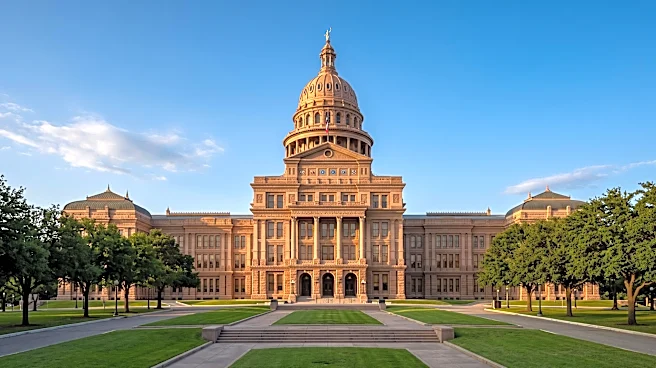
Governor Greg Abbott (R-TX) has stated that technology companies developing data centers 'dug their own grave' by failing to secure local community support. This follows a moratorium Abbott placed earlier this month on new data center developments in Texas.
The moratorium requires state regulators to audit proposed sites seeking connection to the electric grid. Abbott emphasized that gaining local community support is crucial for these projects. The new guidelines mandate that data centers must help reduce electricity costs for ratepayers and ensure they do not disrupt Texas neighborhoods or rural communities. Texas previously offered tax breaks to data centers, but Abbott shifted his stance due to concerns over the state's strained water supplies and power grid. He criticized the rapid, often unannounced, construction of these facilities, asserting that developers had not collaborated sufficiently with state or local governments. He confirmed that new standards are in place, preventing operation until compliance is met. An application for a Meta data center in El Paso was approved by environmental regulators within 20 days, which Abbott clarified was a local approval, not state-level, and that the project would still need approval to connect to the power grid.
Why It's Important?
This development is significant for the technology and energy sectors in Texas, a state that has been a major hub for data center expansion. The moratorium and new regulations signal a shift in the state's approach to attracting and managing large-scale infrastructure projects. For data center developers, the increased regulatory scrutiny and the requirement for local community approval will likely lead to higher development costs and longer timelines. This could deter future investments in Texas, potentially redirecting them to other states with more lenient regulations. For Texas residents, the governor's actions aim to address concerns about the state's power grid stability and water resources, which have been under pressure due to rapid population growth and extreme weather events. The emphasis on lowering electricity costs for ratepayers could provide economic relief, while the protection of neighborhoods and rural communities addresses quality-of-life issues. The situation also highlights a broader national debate about the environmental and infrastructural impact of rapidly expanding data-intensive industries.
What's Next?
The moratorium on new data center developments in Texas is expected to last 'several months,' impacting up to 300 projects currently in various stages. Developers of existing projects, such as the Meta data center in El Paso, have announced their intention to comply with the new guardrails and guidelines set by Governor Abbott. This indicates that future data center projects in Texas will need to prioritize community engagement and adhere to stricter environmental and infrastructural standards. The state regulators will proceed with auditing proposed sites, and the approval process for connecting to the electric grid will become more rigorous. This could lead to a slowdown in the growth of the data center industry in Texas, at least in the short term, as companies adapt to the new regulatory landscape. The long-term implications will depend on the effectiveness of these new standards in addressing the state's resource concerns and the industry's willingness to operate under these conditions.
Beyond the Headlines
The governor's decision to impose a moratorium on data centers in Texas reflects a growing tension between economic development and environmental sustainability, particularly concerning resource-intensive industries. While Texas has historically welcomed technology companies with incentives, the rapid expansion of data centers has brought to light the significant demands they place on critical resources like water and electricity. This situation underscores a broader national challenge where states must balance the economic benefits of attracting tech industries with the need to protect local communities and natural resources. The shift in policy could set a precedent for other states grappling with similar issues, prompting a reevaluation of how large-scale industrial projects are integrated into existing infrastructure and communities. It also highlights the evolving role of state governments in regulating industries that were once largely unregulated, especially as climate change and resource scarcity become more pressing concerns.