





What's Happening?
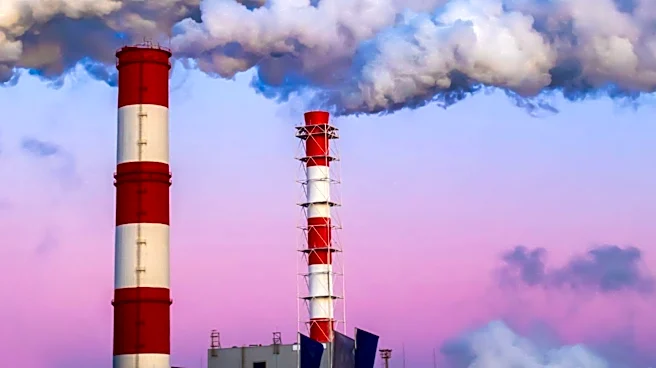
US manufacturing facilities are struggling to transition to cleaner heat sources due to high electricity costs compared to natural gas. The industrial sector, which accounts for nearly one-third of the country's carbon dioxide emissions from energy use,
relies heavily on fossil fuels for heat. Cleaner technologies like industrial heat pumps and electric boilers are available but are not widely adopted due to cost concerns. A recent webinar by the Renewable Thermal Collaborative and Industrial Heat Pump Alliance highlighted the potential for these technologies to add significant electricity demand by 2035. However, the economic benefits of deploying clean industrial technologies could be substantial, generating around $471 billion in total economic output over the next decade.
Why It's Important?
The transition to cleaner heat in US factories is crucial for reducing carbon emissions and combating climate change. The industrial sector's reliance on fossil fuels poses a significant environmental challenge. Adopting cleaner technologies could lead to substantial economic benefits, including job creation and increased economic output. However, the high cost of electricity remains a barrier, necessitating policy interventions and innovative solutions to make clean energy more affordable for manufacturers. This transition is also important for maintaining the competitiveness of US industries in a global market increasingly focused on sustainability.
What's Next?
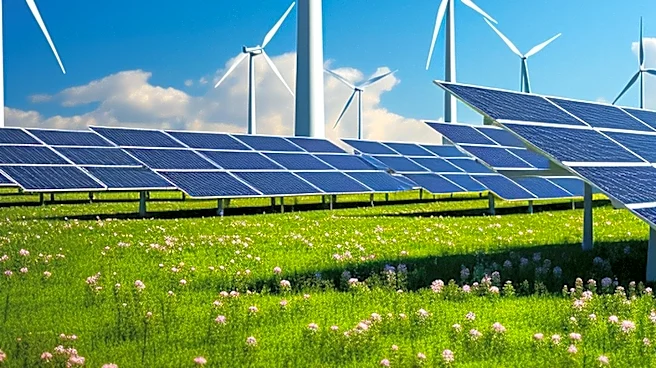
To facilitate the transition to cleaner heat, policymakers and utilities are exploring solutions to reduce electricity costs for manufacturers. Strategies include building renewable energy projects directly beside factories and reforming electricity rates to make them more competitive with natural gas. In California, Senate Bill 943 aims to adjust utility rates to encourage the switch to electric heat. Additionally, off-grid renewable projects could provide a cost-effective alternative for factories, bypassing the challenges of grid interconnection. These efforts are crucial for achieving the economic and environmental benefits of cleaner industrial heat.