







What's Happening?
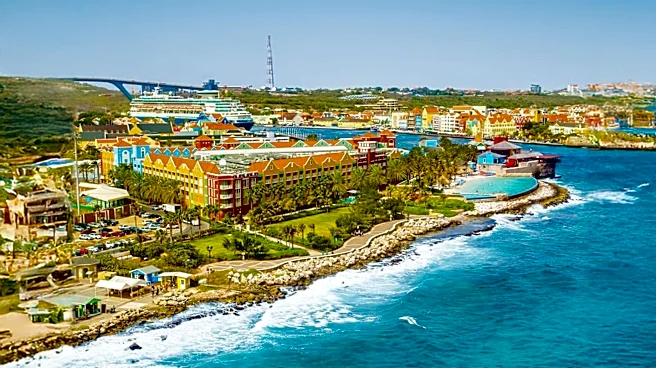
Cruise tourism is significantly benefiting local businesses in Curaçao's Kura Hulanda Village, helping visitors discover unique shops and cultural experiences beyond the main waterfront. Businesses like House of Stroop, owned by Emma Teunissen, report
a steady stream of cruise guests and crew members seeking out their freshly made stroopwafels. Teunissen notes that many visitors come specifically because they've heard about the shop from other guests. Similarly, Kas Lila Gifts, one of the first businesses to open in Kura Hulanda Village, relies heavily on the cruise ship schedule for its seasonal business. Gabriela Bracamonte, owner of Kas Lila, emphasizes the substantial economic impact cruise ships have on the island. These businesses collectively demonstrate how cruise tourism extends economic activity beyond the immediate port area, supporting local enterprises that define the destination's unique character.
Why It's Important?
The impact of cruise tourism on Curaçao's Kura Hulanda Village highlights a critical economic dynamic for many island nations and port cities. By drawing tourists inland to local businesses, cruise lines contribute to a more equitable distribution of tourism revenue, preventing it from being concentrated solely at major attractions or international chains. This support is vital for the survival and growth of small, independent businesses, which often struggle to compete with larger entities. For Curaçao, this means preserving local culture and entrepreneurship, as these shops offer authentic experiences that differentiate the destination. The economic boost translates into job creation, increased local spending, and a stronger overall economy, demonstrating how a thriving tourism sector can directly benefit the broader community and its unique cultural offerings.
What's Next?
As cruise tourism continues to grow, destinations like Curaçao will likely focus on further integrating local businesses into the visitor experience. This could involve more structured partnerships between cruise lines and local merchant associations to promote 'hidden gems' and encourage guests to explore beyond the immediate port. Local businesses might also invest in enhancing their offerings and marketing to cater specifically to cruise passengers, potentially through unique products, special promotions, or improved accessibility. Additionally, there could be an increased emphasis on sustainable tourism practices to ensure that the economic benefits are balanced with environmental and social considerations. The success seen in Kura Hulanda Village may serve as a model for other destinations looking to maximize the economic impact of cruise tourism on their local economies.