



What's Happening?
The Wetzel County Museum is organizing a Holiday Historic Home Tour in New Martinsville, West Virginia, scheduled for Sunday, December 6th, from 2-5 p.m. The event will showcase five historic homes, offering a glimpse into the area's rich past and architectural
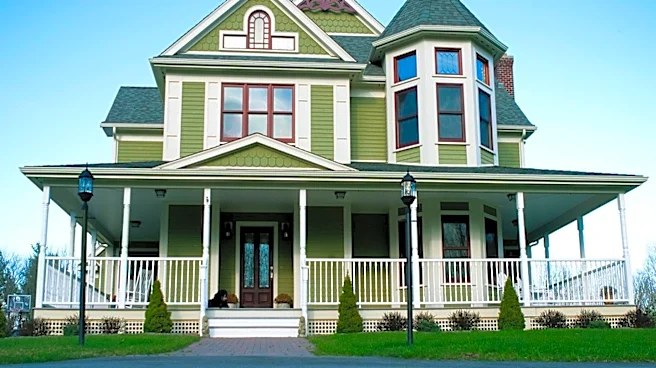
heritage. Tickets for the tour are priced at $25 per person and can be purchased in advance by contacting museum curator Dan Henthorn or through the museum's Facebook page. Participants will pick up their tickets and a map of the featured homes at the museum, located at 134 Main Street, on the day of the event. The tour includes residences with significant historical ties, such as the McConaughey's Queen Anne Victorian, which belonged to Isaiah D. Morgan, a prominent figure in New Martinsville's oil and gas boom. Another featured home is the Shuman house, a classical revival foursquare built for Pressley Martin's son, the city's founding father. Additionally, three homes on Maple Avenue will be open, including the Queen Anne Victorian of Kari and Bob McClure, the American foursquare of Kimberly Whiteman, and the Craftsman-influenced Cape Cod revival cottage of Christy and Matt Bland.
Why It's Important?
This historic home tour is important for several reasons. Firstly, it serves as a significant fundraiser for the Wetzel County Museum, directly supporting its mission to preserve and promote local history. Such events are crucial for the financial sustainability of cultural institutions, enabling them to maintain collections, develop educational programs, and offer community engagement opportunities. Secondly, the tour highlights the architectural heritage of New Martinsville, showcasing well-preserved examples of Queen Anne Victorian, classical revival foursquare, American foursquare, and Craftsman-influenced Cape Cod revival styles. This not only educates the public about historical architecture but also fosters an appreciation for the unique character of the town. Lastly, by opening these private residences to the public, the event connects residents and visitors with the personal stories and legacies of past community members, such as oil businessmen, city recorders, and founding families, thereby strengthening local identity and historical awareness.
What's Next?
Following the announcement, the immediate next steps involve continued promotion of the event by the Wetzel County Museum to encourage ticket sales. Potential attendees are strongly advised to purchase tickets in advance to ensure a smoother experience on the day of the tour. On December 6th, the museum will serve as the central hub for ticket pickup and map distribution, guiding participants through the designated route. The success of this year's tour could influence future fundraising strategies for the museum, potentially leading to similar annual events or the expansion of historical preservation initiatives. The event also provides an opportunity for the featured homeowners to share their properties' histories, potentially inspiring other residents to engage in historical preservation efforts within the community. The museum will likely gather feedback from participants and homeowners to refine future events and enhance community engagement.
Beyond the Headlines
Beyond the immediate festive appeal, the Historic Home Tour touches upon deeper themes of community memory and the tangible connection to the past. Each home on the tour is not just a structure but a repository of local history, reflecting the economic booms, social changes, and personal narratives that shaped New Martinsville. The inclusion of details like Kathryn Duerr's 1911 journal and original family heirlooms in the McClure home, or the fact that the current owner of the Whiteman home holds the same city recorder position as a past resident, underscores the continuity of history within the community. This event subtly encourages a sense of stewardship among residents for their historical properties and the broader architectural landscape. It also highlights the role of local museums as vital community anchors, not just for archiving artifacts but for actively bringing history to life and fostering intergenerational connections through shared cultural experiences.