



What's Happening?
Smart home technology is evolving to create healthier, safer, and more manageable living environments in the U.S., with a growing focus on connected products for humidity management, air purification, water filtration, and lighting systems linked to daily
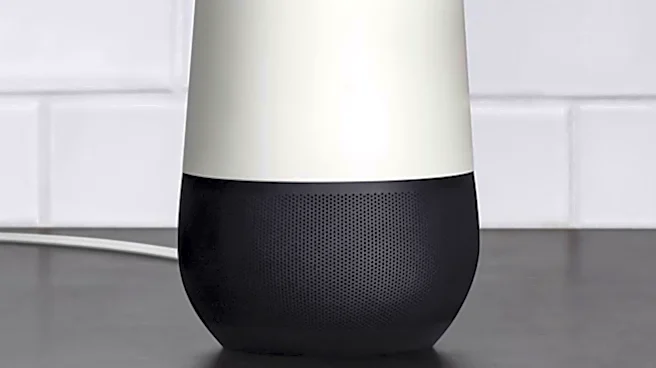
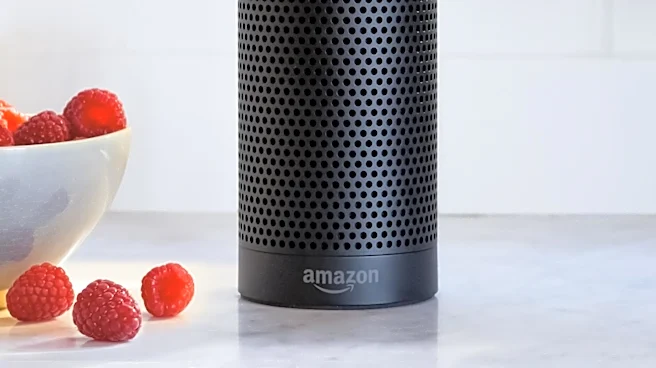
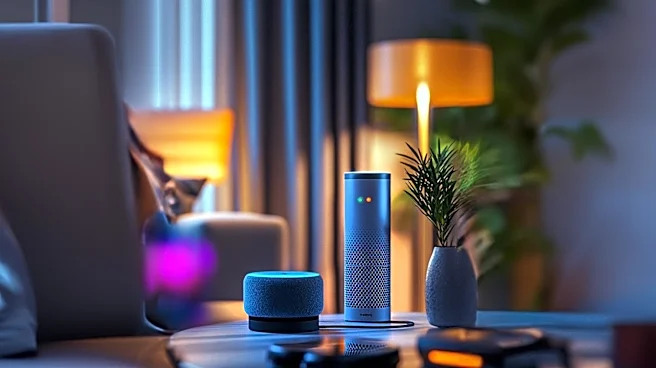
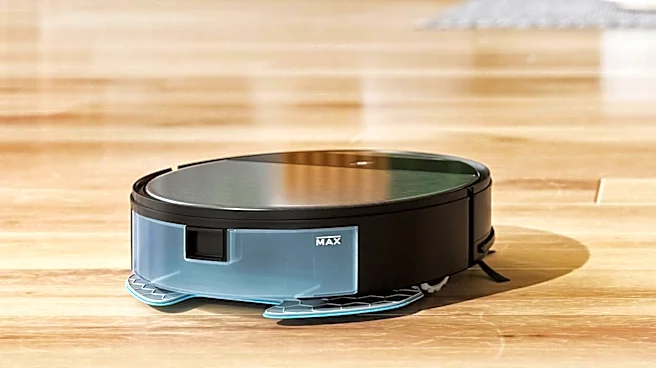
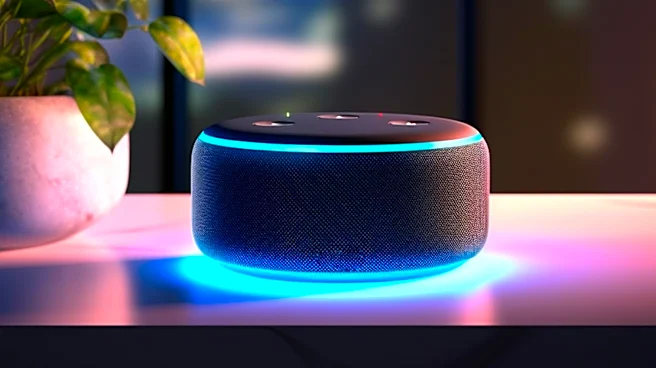
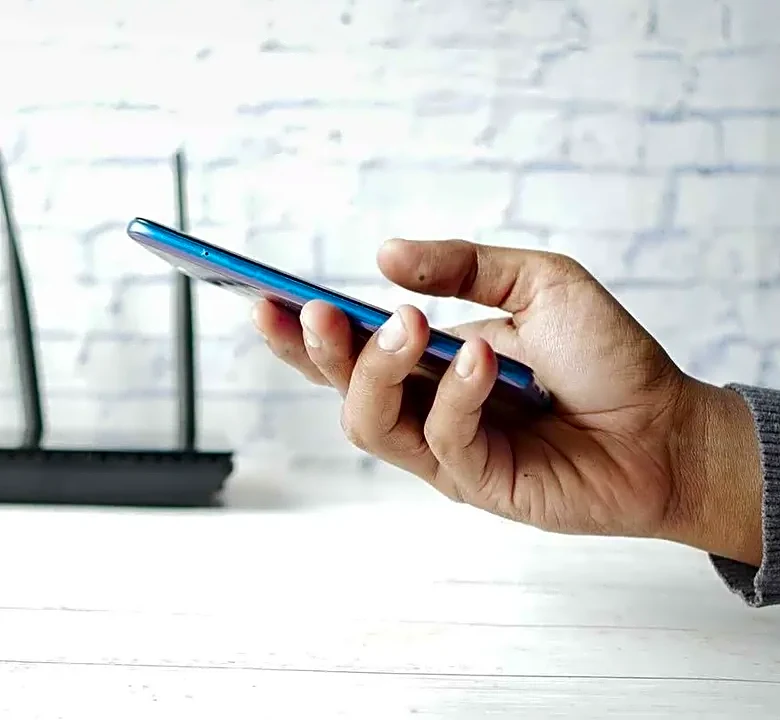
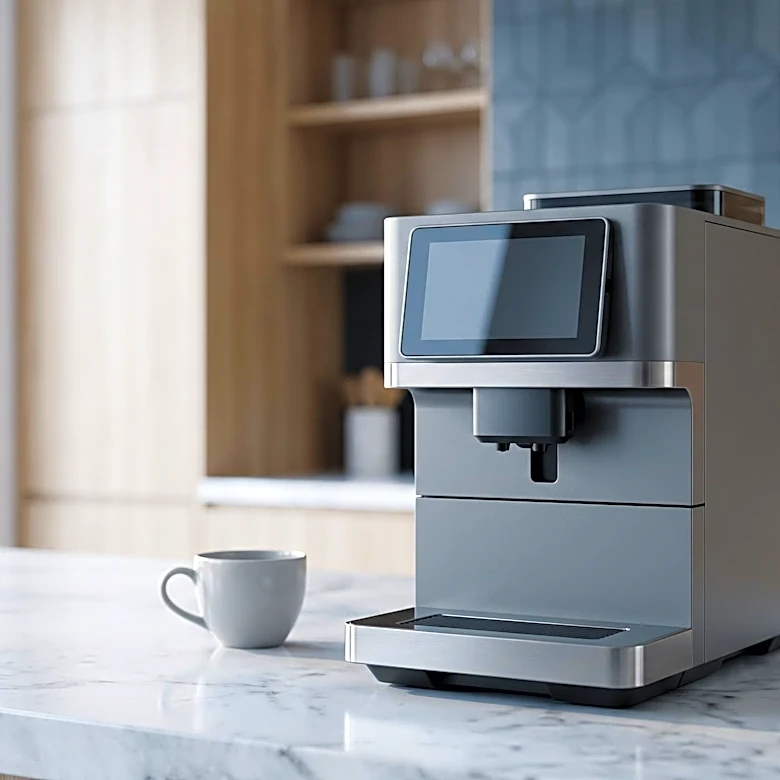
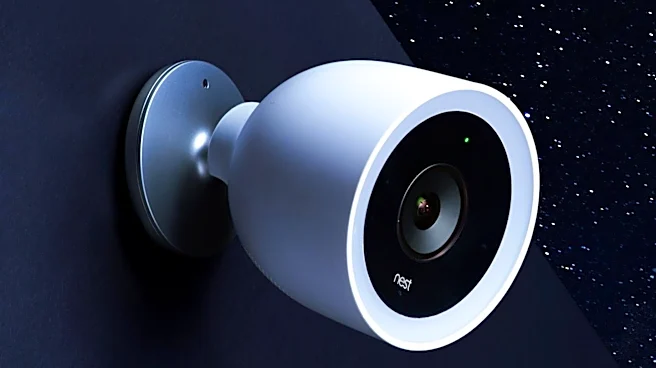
routines. Consumers have access to a wide array of connected devices, including thermostats, locks, lighting, cameras, appliances, speakers, and sensors. However, the effectiveness of these systems is heavily dependent on several factors, such as their ability to work together (interoperability), ease of installation, potential for energy savings, privacy safeguards, ongoing subscription costs, and reliability, especially during internet outages. A significant challenge highlighted is the foundational electrical wiring in homes; many older U.S. homes lack neutral wires in switch boxes, which are essential for the constant power required by smart switches. This can lead to devices failing or malfunctioning in confusing ways, necessitating professional electrical work to add neutral wires or use specific no-neutral compatible products like Lutron Caseta. The market also sees a mix of Wi-Fi-based and hub-based systems, with hub-based systems often offering greater reliability and less competition for network bandwidth in homes with numerous devices.
Why It's Important?
The widespread adoption of smart home technology in the U.S. has significant implications for various sectors. For consumers, the promise of enhanced convenience, security, and energy efficiency is a major draw, but the underlying complexities can lead to frustration and unexpected costs. The need for professional installation and electrical upgrades, particularly in older homes, creates a substantial market for skilled electricians and smart home integrators. This also impacts the real estate market, as new residential developments increasingly feature pre-installed smart wiring as a standard amenity, influencing property values and buyer expectations. For manufacturers, the emphasis on interoperability and reliability underscores the need for standardized protocols and robust product design to ensure seamless integration across different brands and platforms. The challenges related to internet connectivity and device reliability during outages also highlight the critical role of internet service providers in offering stable, high-bandwidth connections to support the growing number of connected devices in U.S. households. Furthermore, the application of smart home technology for accessibility and aging-in-place presents a commercially important avenue, offering solutions for independent living, though it is crucial that these systems are not seen as substitutes for professional healthcare monitoring.
What's Next?
The smart home market in the U.S. is expected to continue its growth, with ongoing advancements aimed at improving device interoperability and user experience. Manufacturers will likely focus on developing more robust and easily installable products that can adapt to varying home infrastructures, including solutions for homes without neutral wires. The trend towards hub-based systems or hybrid approaches that combine Wi-Fi and dedicated networks (like Zigbee or Z-Wave) is anticipated to gain traction to enhance reliability and reduce network congestion. There will also be a continued push for greater integration with major smart home platforms like Amazon Alexa, Google Assistant, and Apple HomeKit, allowing consumers to mix and match devices from different brands more seamlessly. Service providers, including electricians and smart home integrators, will play an increasingly vital role in ensuring proper installation and configuration, especially for whole-home systems. Additionally, as the technology matures, there may be a greater emphasis on addressing privacy concerns and ensuring the long-term security of connected devices through regular software updates and robust data encryption. The development of more sophisticated AI and ambient intelligence features is also on the horizon, aiming to make smart homes more intuitive and anticipatory of user needs.
Beyond the Headlines
Beyond the immediate benefits of convenience and efficiency, the proliferation of smart home technology in the U.S. raises deeper ethical and societal questions. The increasing reliance on connected devices for essential home functions, such as security and climate control, brings forth concerns about data privacy and the potential for surveillance. As more personal data is collected by these systems, the ethical implications of how this data is stored, used, and protected become paramount. There's also the question of digital equity, as access to advanced smart home features and the necessary high-speed internet infrastructure may create a divide between different socioeconomic groups. The long-term environmental impact of manufacturing and disposing of numerous electronic devices, as well as their energy consumption, will also become a more prominent consideration. Furthermore, the integration of smart home technology for aging-in-place, while beneficial, necessitates careful consideration of the balance between technological assistance and human care, ensuring that technology augments rather than replaces essential human interaction and professional medical oversight. The evolution of smart homes will undoubtedly shape future living standards, architectural design, and the very definition of 'home' in the digital age.