
What's Happening?
Forest bathing, known as shinrin-yoku, is a Japanese practice that involves immersing oneself in nature to improve well-being. Coined in 1982 by Japan's Ministry of Agriculture, Forestry, and Fisheries,
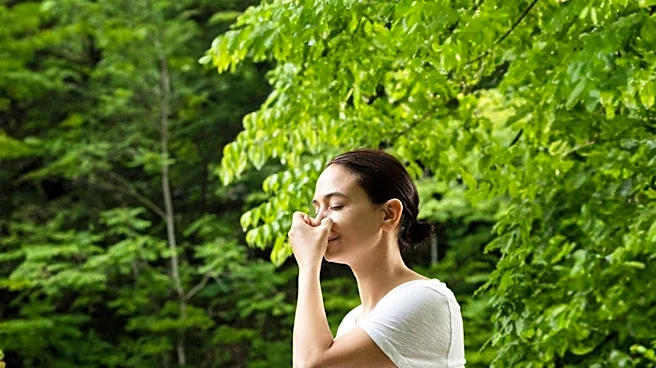
it was a response to stress-related health issues prevalent in modern lifestyles, which often involve spending significant time indoors and with technology. The practice is a slow, therapeutic walk through natural environments, focusing on engaging all senses and disconnecting from technology. It is not an intense physical activity but rather a mindful experience. Dr. Suzanne Hackenmiller, a physician and certified forest therapy guide, emphasizes that forest bathing aims to reset the nervous system, lower stress, and boost overall well-being. Anyone can practice forest bathing, regardless of age or physical ability, requiring only a natural space and a slow, unhurried approach.
Why It's Important?
The growing recognition of forest bathing in the U.S. highlights a societal shift towards holistic health and natural remedies for stress and mental health challenges. With the average American spending approximately 90% of their time indoors, according to the United States Environmental Protection Agency (EPA), practices like forest bathing offer a crucial antidote to the negative health impacts of indoor living, such as low Vitamin D levels, irritated eyes, and decreased clarity. The practice's ability to lower cortisol, blood pressure, and heart rate, as well as boost the immune system through exposure to phytoncides released by trees, presents a significant public health benefit. Furthermore, its proven effectiveness in improving mood, focus, and sleep quality addresses widespread issues of anxiety and depression, making it a valuable, accessible tool for mental and physical health improvement across various demographics.
What's Next?
As awareness of forest bathing grows, it is likely to see increased integration into wellness programs, community initiatives, and healthcare recommendations across the U.S. Organizations like the Chicago Botanic Garden are already offering forest bathing experiences, indicating a trend towards structured programs. The development of certified shinrin-yoku trails, similar to those established in Japan, could become more common in U.S. parks and natural areas, encouraging broader participation. Additionally, research into the long-term immune effects and other health benefits of forest bathing is ongoing, which could further solidify its scientific backing and lead to wider acceptance and adoption by medical professionals and the public. The emphasis on spending at least two hours a week in nature suggests a potential shift in lifestyle recommendations for general health.
Beyond the Headlines
Beyond its immediate health benefits, the rise of forest bathing in the U.S. signifies a deeper cultural re-evaluation of humanity's relationship with nature. It challenges the prevailing urban-centric and technology-driven lifestyle by advocating for a conscious reconnection with the natural world. This movement could foster greater environmental stewardship and appreciation for green spaces, potentially influencing urban planning and conservation efforts. Ethically, it promotes a more balanced approach to well-being, moving away from purely pharmaceutical or high-intensity solutions towards preventative and holistic practices. The practice also encourages mindfulness and sensory engagement, offering a counter-narrative to the constant digital stimulation and fast-paced demands of modern life, thereby contributing to a broader cultural shift towards slower, more intentional living.