









What's Happening?
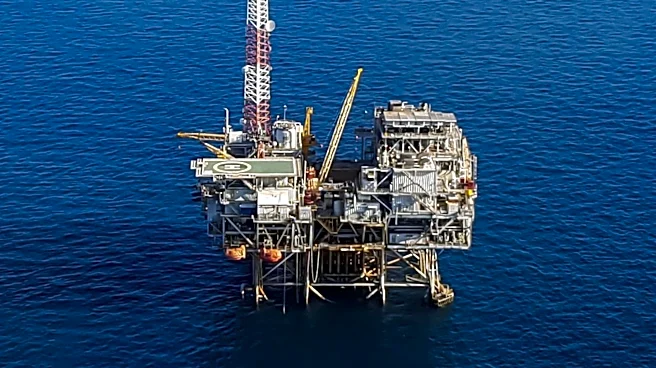
Oil prices have experienced a significant increase, driven by escalating tensions between the United States and Iran. The conflict has heightened concerns over potential supply disruptions from the Middle East, a critical region for global oil supply.
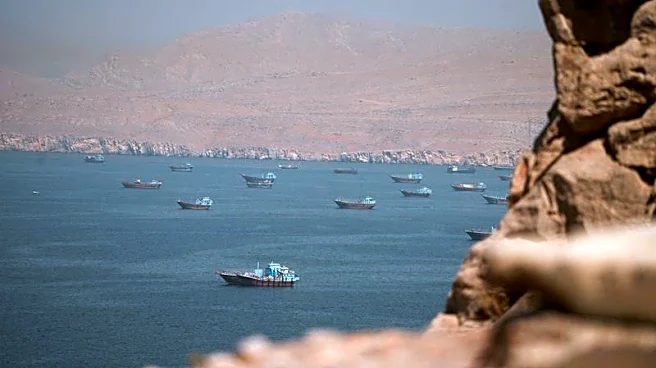
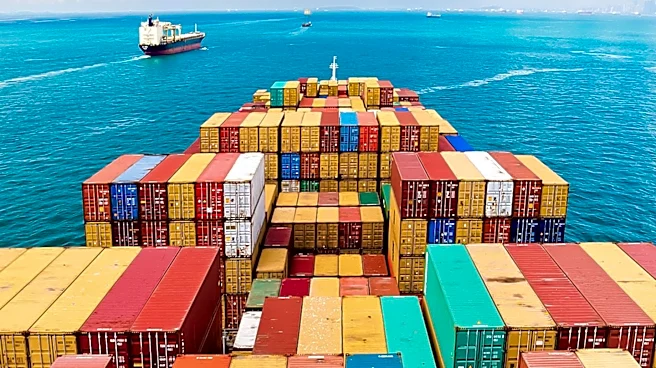
As of the latest reports, Brent crude futures rose by 3.0% to $86.79 per barrel, while U.S. West Texas Intermediate (WTI) crude futures increased by 3.5% to $81.65 per barrel. This marks the highest level for WTI since mid-June. The U.S. Energy Information Administration (EIA) reported a decrease in U.S. crude oil stockpiles by 1.7 million barrels, further tightening the crude market. Additionally, the American Petroleum Institute (API) noted a smaller-than-expected draw in U.S. crude inventories. The geopolitical tensions have also affected shipping through the Strait of Hormuz, a vital conduit for oil and liquefied natural gas, with vessel traffic showing signs of slowing.
Why It's Important?
The surge in oil prices has significant implications for the U.S. economy and global markets. Higher oil prices can lead to increased gasoline prices, affecting consumers and potentially slowing economic growth. The U.S., as the world's largest oil producer, may see increased domestic production as firms respond to higher prices. However, the geopolitical risks associated with the U.S.-Iran conflict could lead to prolonged supply disruptions, impacting global oil supply chains. The situation underscores the vulnerability of global energy markets to geopolitical events, highlighting the need for diversified energy sources and strategic reserves.
What's Next?
The ongoing conflict between the U.S. and Iran is likely to continue influencing oil prices and market dynamics. Traders and analysts will be closely monitoring diplomatic efforts and any potential resolutions to the conflict. The U.S. may also consider strategic releases from its oil reserves to stabilize domestic markets. Additionally, regional mediators, including Qatar, Egypt, and Pakistan, are reportedly pursuing talks to de-escalate tensions, which could impact future oil supply stability.