






What's Happening?
Virdee, a company specializing in hospitality technology, is highlighting the increasing importance of technology-driven workforce optimization in the hotel industry. According to a LinkedIn post from Virdee, hotel workforce planning is evolving beyond
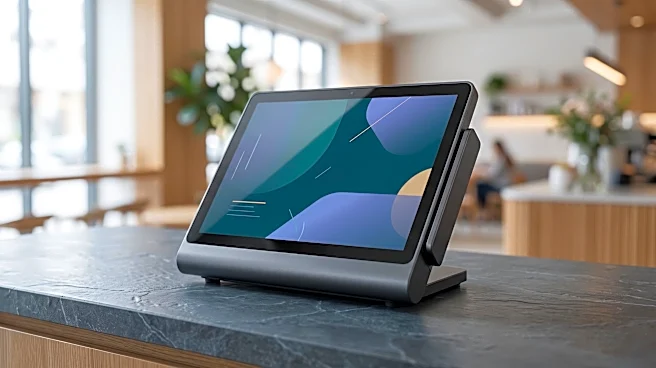
simple scheduling to become a critical factor in profitability. The post suggests that relying solely on occupancy metrics can lead to staffing plans that are misaligned with the actual conditions and demands within a property. Virdee advocates for hotels to integrate data from various sources, including Property Management Systems (PMS), event schedules, and even weather forecasts, to more accurately predict staffing needs. This approach marks a shift from static scheduling to a demand intelligence model, aiming to align labor deployment with real-time guest activity. The company also notes that self-service technology can play a vital role in absorbing demand surges, particularly when it is challenging to quickly adjust staffing levels. Virdee positions itself as a solution that supports hotels in managing fluctuations in both guest numbers and staff availability, including unexpected events or reductions in the workforce.
Why It's Important?
Virdee's emphasis on technology-driven workforce optimization is important for the U.S. hospitality industry as it addresses critical challenges related to operational efficiency, cost management, and guest satisfaction. In a sector known for its fluctuating demand and high labor costs, optimizing staffing through data analytics can significantly impact a hotel's profitability and competitive edge. By moving beyond traditional occupancy-based scheduling, hotels can avoid overstaffing during slow periods and understaffing during peak times, leading to better resource allocation and reduced labor expenses. This approach also enhances the guest experience by ensuring adequate staff levels to meet service demands, which is crucial for maintaining brand reputation and customer loyalty. For investors, this trend signals a broader digital transformation within hotel operations, indicating that companies like Virdee are strategically positioned to capitalize on the industry's need for margin protection and improved operational intelligence. The adoption of such technologies can help U.S. hotels navigate economic uncertainties, labor shortages, and evolving consumer expectations, ultimately contributing to a more resilient and efficient hospitality sector.
What's Next?
The hospitality industry is likely to see an accelerated adoption of technology-driven workforce optimization solutions, as highlighted by Virdee. Hotels that have traditionally relied on manual or less sophisticated scheduling methods will increasingly explore and implement systems that integrate data from PMS, event calendars, and external factors like weather. This will lead to a more dynamic and responsive staffing model across the U.S. hotel sector. Companies like Virdee will continue to develop and refine their platforms to offer more predictive analytics and self-service options, further empowering hotels to manage labor costs and enhance guest services. We can expect to see more case studies and industry reports demonstrating the return on investment for such technologies, encouraging wider adoption. Additionally, the integration of artificial intelligence and machine learning into these workforce management systems will likely become more prevalent, allowing for even more precise forecasting and automated adjustments. This trend will also necessitate upskilling hotel staff to effectively utilize these advanced tools, transforming traditional roles within the hospitality workforce.
Beyond the Headlines
Beyond the immediate operational benefits, the shift towards technology-driven workforce optimization in hospitality, championed by Virdee, has deeper implications for the nature of work and the guest experience. Ethically, it raises questions about the balance between efficiency and human connection in service industries. While technology can optimize staffing, it also risks depersonalizing guest interactions if not carefully implemented. The reliance on data to predict demand could lead to a more fluid workforce, potentially impacting job security and traditional work schedules for hotel employees. Culturally, this trend reflects a broader societal move towards data-driven decision-making, where algorithms increasingly influence human resource management. It also highlights the evolving expectations of modern travelers, who often seek seamless, efficient, and personalized experiences, which technology can facilitate. The long-term shift could see hotels becoming highly optimized, data-centric operations, where every aspect of service delivery is precisely calibrated. This transformation will require the industry to carefully consider how to leverage technology to enhance both operational performance and the human element of hospitality, ensuring that efficiency gains do not come at the expense of genuine guest engagement and employee well-being.