



What's Happening?
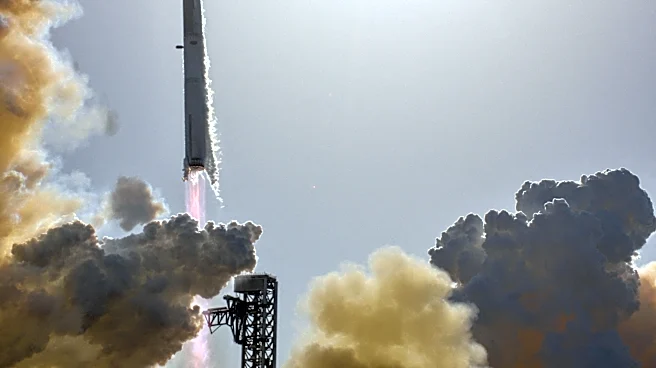
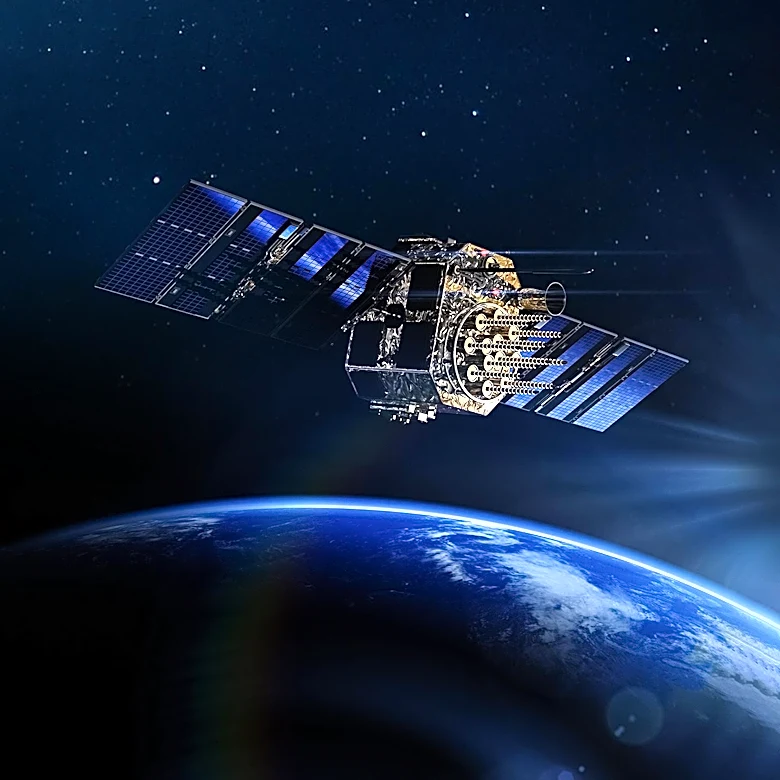
Morgan Stanley has praised SpaceX's Starship Flight 13, describing it as a significant advancement in the rocket's development. Despite an imperfect booster landing, the mission achieved several key milestones, including the deployment of production-version
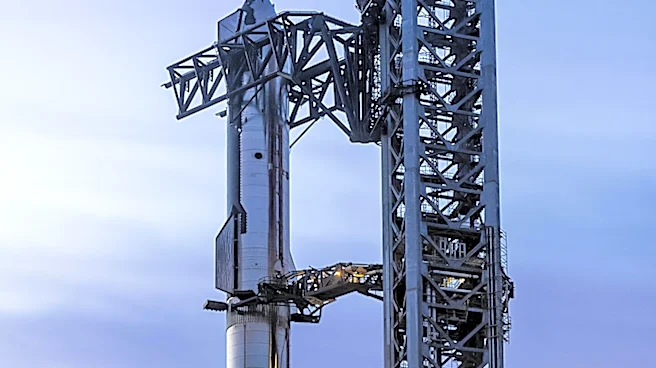
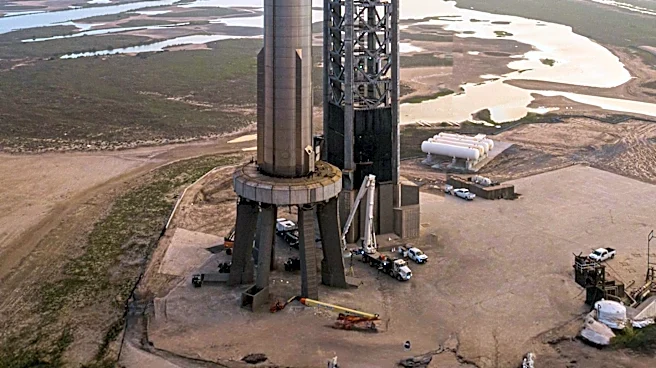
Starlink V3 satellites and a successful in-space Raptor engine relight. The brokerage firm assigned the mission an 'A-' grade, noting the successful execution of these milestones and the spacecraft's softest splashdown to date. Morgan Stanley also highlighted the potential for Flight 14 to attempt the first tower catch of the Starship upper stage, marking a step towards the program's first orbital flight.
Why It's Important?
The successful milestones achieved during SpaceX's Starship Flight 13 are crucial for the company's long-term goals of reducing space travel costs and increasing the frequency of missions. The deployment of Starlink V3 satellites is particularly significant as it enhances SpaceX's satellite internet service, potentially expanding global internet access. The mission's achievements also bolster investor confidence in SpaceX's capabilities, which is vital for securing future funding and partnerships. Additionally, the potential for a tower catch in Flight 14 represents a technological leap that could revolutionize rocket recovery and reuse.
What's Next?
Looking ahead, SpaceX plans to conduct Flight 14, which could occur as early as late August or early September. This mission aims to attempt the first tower catch of the Starship upper stage, a critical step towards achieving the program's first orbital flight. If successful, Flight 15 may attempt to catch both the ship and the V3 booster, further advancing SpaceX's reusability goals. These upcoming missions will be closely watched by investors and industry stakeholders, as they could significantly impact SpaceX's operational capabilities and market position.