








What's Happening?
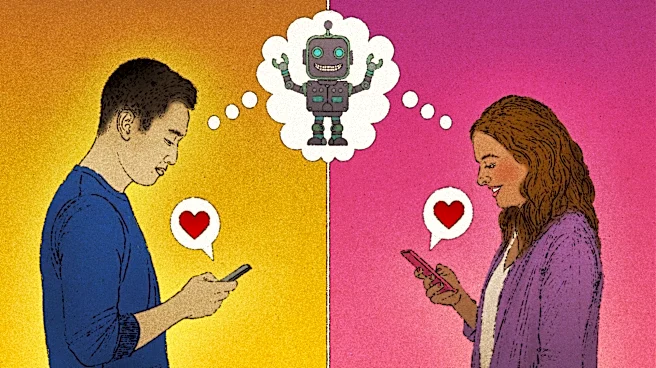
AI brands like ChatGPT, Gemini, and Claude are facing challenges in moving beyond functional utility to create deeper, more meaningful relationships with users. Despite their accessibility and advanced capabilities, these AI tools often lack the emotional
and behavioral connections that foster user loyalty. The current AI experience is largely transactional, with users frequently switching between tools without a sense of loss. To build enduring relationships, AI brands need to resonate with users' identities and create emotional relevance, moving from mere utility to ingrained rituals in users' daily lives.
Why It's Important?
The ability of AI brands to establish deeper connections with users is crucial for long-term success and user retention. As AI tools become more integrated into personal and professional routines, brands that can create a sense of belonging and appeal will likely see increased loyalty and engagement. This shift from transactional interactions to identity reinforcement can help AI brands differentiate themselves in a competitive market, ultimately leading to stronger brand loyalty and user satisfaction.
Beyond the Headlines
The challenge for AI brands lies in balancing functional reliability with emotional engagement. By understanding and responding to users' needs and preferences, AI tools can become more than just functional aids—they can become trusted partners in users' lives. This involves creating experiences that align with human psychology and needs, fostering a sense of progression and growth. As AI continues to evolve, the brands that prioritize human-centric experiences over algorithmic novelty will likely lead the way in building lasting user relationships.