




What's Happening?
Elon Musk has reignited his criticism of Delta Air Lines for its decision to partner with Amazon's Leo satellite internet service instead of SpaceX's Starlink for in-flight Wi-Fi. This renewed contention follows posts from X users indicating they would
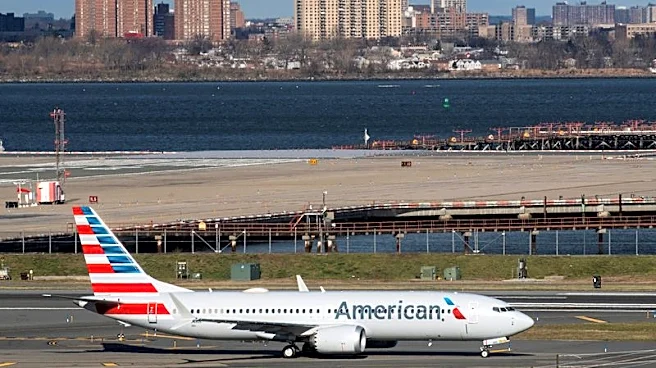
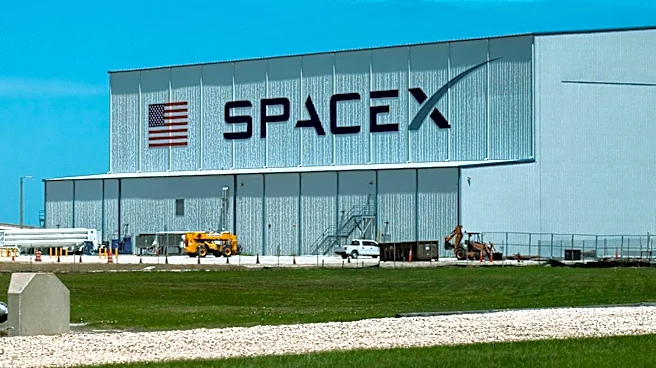
choose United Airlines over Delta due to Starlink availability. Musk had previously warned Delta in May that it would 'lose customers' after the airline announced its deal with Amazon Leo. Delta CEO Ed Bastian stated that the airline selected Amazon Leo due to its 'improved bandwidth with a much lower price point' compared to Starlink, and also cited the potential for a 'broader partnership' with Amazon beyond just Wi-Fi services. While Starlink boasts over 10,000 active satellites and deals with 43 airlines, Amazon Leo currently has under 400 satellites and aims for over 3,000, with only two announced airline customers: JetBlue and Delta. Amazon's service is slated to launch with JetBlue next year and with Delta in 2028. Delta's main competitors, United and American Airlines, have both opted for Starlink, though its implementation is still ongoing across their fleets.
Why It's Important?
This ongoing dispute highlights the intensifying competition in the in-flight connectivity market and its potential impact on airline customer loyalty and business strategies. For U.S. airlines, the choice of Wi-Fi provider is becoming a significant differentiator, influencing passenger experience and potentially booking decisions. SpaceX's Starlink, with its larger satellite constellation and existing partnerships, is pushing for market dominance, while Amazon's Leo is emerging as a formidable competitor, leveraging competitive pricing and broader partnership opportunities. The decision by Delta, a major U.S. carrier, to align with Amazon Leo underscores a strategic move to diversify its technology partnerships and potentially secure more comprehensive deals beyond just internet services. This competition could drive innovation and lower costs for in-flight Wi-Fi across the industry, benefiting consumers with faster and more affordable internet access during flights. However, it also creates a scenario where airlines might face pressure from tech giants and public opinion regarding their technology choices.
What's Next?
The rollout of Amazon Leo's service on JetBlue next year and Delta in 2028 will be a critical period to observe its performance and customer reception. The success or challenges faced by Amazon Leo in these initial implementations could significantly influence future airline partnerships and the competitive landscape. Elon Musk is likely to continue monitoring and commenting on Delta's decision, potentially using social media to highlight any perceived shortcomings of Amazon Leo or advantages of Starlink. Airlines that have chosen Starlink, such as United and American, will continue their deployment efforts, with United aiming to equip nearly 1,000 planes by the end of the year and American planning its launch early next year. The ongoing competition between Starlink and Amazon Leo will likely lead to further advancements in satellite internet technology and potentially more aggressive pricing strategies, forcing airlines to continuously evaluate their in-flight connectivity offerings to remain competitive and meet evolving passenger expectations.
Beyond the Headlines
This rivalry extends beyond mere in-flight Wi-Fi provision, touching upon broader themes of corporate competition between tech titans Elon Musk and Jeff Bezos, and the strategic importance of satellite internet in various sectors. The 'broader partnership' cited by Delta with Amazon suggests a potential for deeper integration of Amazon's services into the airline's operations, which could include logistics, cloud computing, or entertainment, creating a more comprehensive ecosystem. This trend could lead to airlines forming more exclusive and extensive alliances with tech companies, transforming the passenger experience and operational efficiencies. Furthermore, the debate over satellite internet providers highlights the increasing reliance on low Earth orbit (LEO) satellite constellations for global connectivity, impacting not only aviation but also remote areas, maritime operations, and even national security. The long-term implications could include a consolidation of power among a few dominant satellite internet providers, influencing future technological standards and access to high-speed internet globally.