




What's Happening?
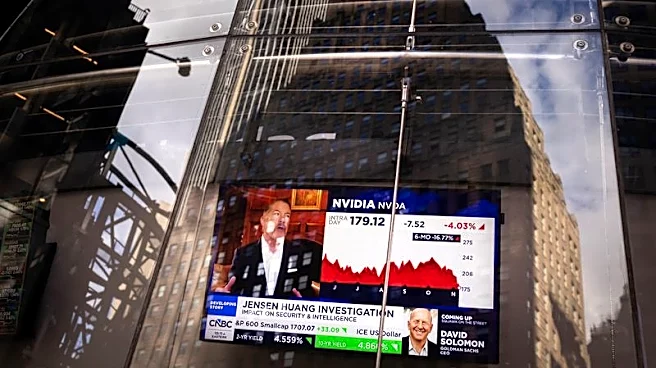
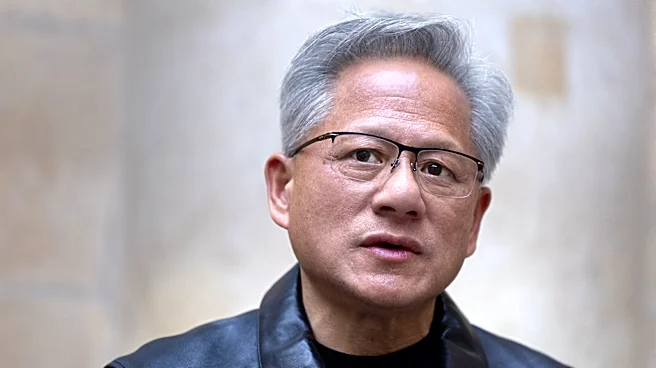
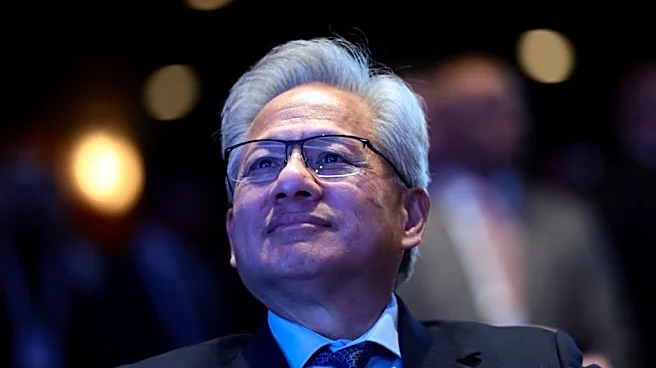
Nvidia CEO Jensen Huang has resigned, sending ripples through the global technology industry and creating uncertainty in the artificial intelligence (AI) market. Huang's departure follows reports of extramarital affairs, including one with a suspected
Chinese spy. Nvidia, under Huang's leadership, has dominated the market for computer chips essential for training and running AI models, with Huang having predicted a $1 trillion backlog in chip orders. His resignation has led to immediate reactions in the stock market, with rival chipmakers like Broadcom, Intel, and Advanced Micro Devices seeing their shares rise as investors anticipate a diversification of suppliers. Analysts suggest this could transform the AI chip market from a near-monopoly into a more competitive landscape, potentially strengthening the broader AI industry by diversifying the supply chain and offering more choices to customers. Huang was a prominent AI evangelist, advocating for light regulation and bullish on AI's transformative potential.
Why It's Important?
Jensen Huang's resignation marks a pivotal moment for Nvidia and the broader AI industry. As the public face and chief strategist of a company central to the AI boom, his absence introduces significant uncertainty regarding Nvidia's future direction and its ability to maintain market dominance. This event could trigger a substantial shift in the AI chip supply chain, as major tech companies that rely on Nvidia's GPUs may now seek to diversify their suppliers, benefiting competitors. The incident also raises questions about the sustainability of massive AI spending and the stability of the AI ecosystem, especially concerning 'circular financing' deals where Nvidia invests in companies that then purchase its chips. Furthermore, Huang's influential role as a political advocate for AI, with access to both Washington and Beijing, means his departure could impact policy discussions around AI regulation and export controls on American-made chips, potentially creating opportunities for Chinese chipmakers like Huawei.
What's Next?
In the immediate aftermath, Nvidia will need to demonstrate its ability to maintain its technological leadership and strategic direction without Jensen Huang at the helm. Colette Kress, Nvidia's CFO, has stepped in as interim CEO, and her leadership will be under intense scrutiny. Competitor chipmakers are expected to accelerate their efforts to capture a larger share of the AI chip market, leading to increased competition and potentially faster innovation in the sector. The incident may also prompt elected officials to push for stronger export controls on American-made chips, which could have complex implications for international trade and the global AI supply chain. Companies heavily invested in the AI sector, particularly those with financial ties to Nvidia, will likely be re-evaluating their strategies and financing arrangements. The broader AI industry will be watching closely to see if this event dampens investor enthusiasm or leads to a more cautious approach to AI development and investment.
Beyond the Headlines
Huang's resignation, stemming from personal conduct, highlights the increasing scrutiny and vulnerability of high-profile leaders in the tech industry, especially those at the forefront of transformative technologies. Beyond the immediate business implications, this event could trigger a broader re-evaluation of leadership stability and corporate governance within the AI sector. The mention of a suspected Chinese spy in connection with Huang's affairs also underscores the geopolitical dimensions of technological leadership and the ongoing concerns about national security and intellectual property in the AI race. This incident may lead to heightened awareness and stricter protocols regarding the personal conduct and associations of executives in critical technology sectors. It also brings into focus the immense influence individuals can wield in shaping entire industries and the potential ripple effects when such figures depart under controversial circumstances, prompting a deeper look into the human element within technological advancement.