







What's Happening?
The film 'You Can See Everything,' which chronicles the story of Theranos founder Elizabeth Holmes, is scheduled for release in Indian theaters on November 27, 2026. Produced by A24 Films and distributed by Sony Pictures Releasing International, the movie
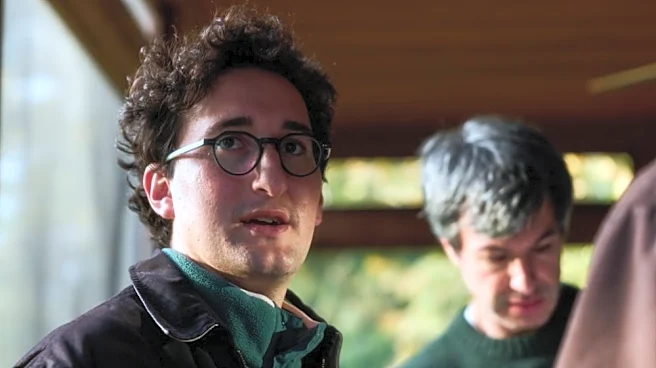
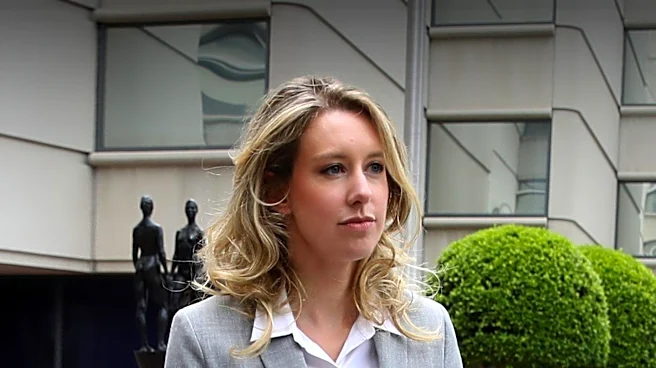
adopts an unconventional approach by documenting Holmes' daily life shortly before she began her prison sentence. The narrative follows Holmes as she invites a film crew to capture her life, evolving into a three-year exploration of the individuals surrounding her and the events linked to Theranos. The film stars Amanda Seyfried and Christopher Abbott in leading roles, with appearances from Nathan Fielder, Lance Oppenheim, and the real Elizabeth Holmes and her partner, Billy Evans. Holmes founded Theranos in 2003, claiming its technology could perform blood tests with minimal blood, but the company collapsed after investigations revealed fraudulent practices. Holmes was convicted of defrauding investors in 2022 and sentenced to 11 years and three months in prison.
Why It's Important?
The release of 'You Can See Everything' in India underscores the global interest in high-profile U.S. business scandals and the figures behind them. Elizabeth Holmes' story, a cautionary tale of ambition, innovation, and deception, resonates internationally, offering insights into corporate ethics and the pressures within the tech startup ecosystem. For U.S. industries, particularly in technology and healthcare, the film serves as a reminder of the importance of transparency and accountability. The film's unique documentary-style approach could influence how similar stories are told, blending factual accounts with cinematic narrative. The international distribution by Sony Pictures Releasing International also highlights the market for U.S.-centric true-crime and business-drama content abroad, potentially influencing investment in such productions.
What's Next?
The film's release in India on November 27, 2026, will test its reception in an international market, potentially influencing its global distribution strategy and critical acclaim. The unique narrative style, which includes appearances by the real Elizabeth Holmes, could spark further discussions about the ethics of documentary filmmaking and the portrayal of controversial public figures. The ongoing public fascination with Holmes' case and the broader implications of the Theranos scandal suggest that the film will contribute to the existing discourse on corporate governance, startup culture, and the legal consequences of fraud. Its performance could also encourage more productions that delve into the complexities of U.S. business history and its key players.
Beyond the Headlines
The story of Elizabeth Holmes and Theranos, as depicted in 'You Can See Everything,' delves into profound ethical and legal questions surrounding technological innovation and investor trust. The film's exploration of Holmes' life before prison raises questions about public perception, media portrayal, and the human element behind corporate malfeasance. It highlights the fine line between visionary entrepreneurship and deceptive practices, a critical lesson for the U.S. startup landscape. The film also touches upon the cultural fascination with 'rise and fall' narratives, particularly when they involve charismatic figures and groundbreaking, albeit ultimately fraudulent, technology. This narrative serves as a powerful case study for business ethics courses and public policy discussions on regulating emerging technologies and protecting investors.