





What's Happening?
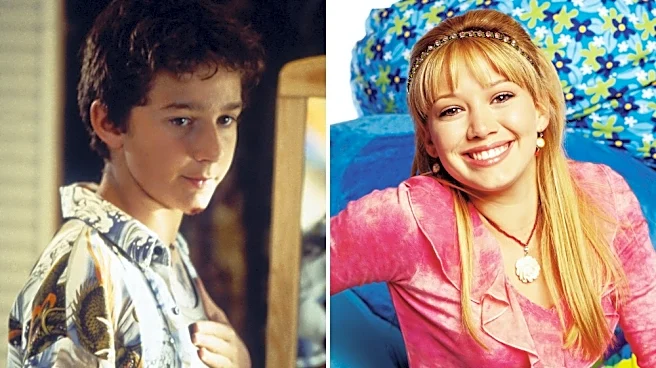
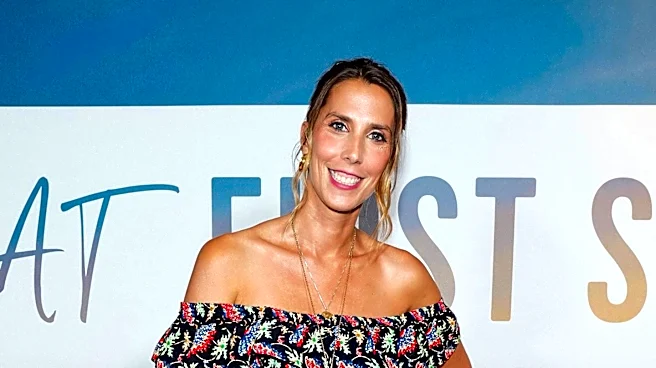
Former Disney actress Christy Carlson Romano is facing backlash following remarks she made about fellow child star Hilary Duff's upbringing and the financial realities faced by young actors. Appearing on 'CHEERS! With Avery,' Romano discussed her new
memoir and the challenges of early fame, particularly concerning finances. She highlighted her own lack of financial literacy as a child star, leading to overspending. Romano also praised Duff's mother, Susan, for her assertive advocacy, comparing her to Kris Jenner, and noted how Susan ensured Duff's worth was recognized. However, Romano's comments that Duff did not grow up 'normal' due to her family's perceived wealth and support, contrasting it with the struggles of child actors from less affluent backgrounds, have drawn criticism. She suggested that child actors from middle-class or lower-middle-class families face higher stakes and more stress, making them more vulnerable to confusion during their transition out of child stardom.
Why It's Important?
This discussion sheds light on the often-overlooked financial and social disparities among child actors in the U.S. entertainment industry. Romano's account underscores the vulnerability of young performers, particularly those from less privileged backgrounds, who may lack financial guidance and face immense pressure to support their families. The differing experiences of child stars like Romano and Duff highlight systemic issues within the industry regarding compensation, financial literacy, and parental advocacy. The backlash against Romano also reflects public sensitivity to perceived criticisms of successful individuals and the ongoing debate about the 'normalcy' of celebrity upbringings. This conversation could prompt greater scrutiny of child labor laws in entertainment, financial education for young actors, and the role of parents and guardians in managing their children's careers and earnings.
What's Next?
The ongoing discussion surrounding Christy Carlson Romano's comments and her memoir, 'Once Upon a Trainwreck,' is likely to continue on social media and in entertainment news outlets. This could lead to further dialogue among former child stars, industry professionals, and advocacy groups about the welfare and financial protection of young actors. The renewed attention on the financial exploitation and challenges faced by child stars might encourage organizations to push for stricter regulations or better support systems. It could also prompt other former child actors to share their own experiences, contributing to a broader understanding of the complexities of growing up in the entertainment industry. The public's reaction will likely influence how such narratives are received and discussed in the future.
Beyond the Headlines
Beyond the immediate controversy, this event touches upon deeper societal implications regarding wealth, class, and opportunity within the entertainment sector. Romano's distinction between child actors from wealthy versus non-wealthy backgrounds highlights a class divide that can dictate career trajectories and personal well-being. It raises questions about whether the industry inherently favors those with existing financial stability, allowing them to navigate fame with fewer financial pressures. The discussion also delves into the ethical responsibilities of studios and parents in protecting child performers from exploitation and ensuring their long-term financial security. This incident could spark a broader cultural conversation about the 'American Dream' in Hollywood and whether success is truly accessible to all, regardless of their starting point.