




What's Happening?
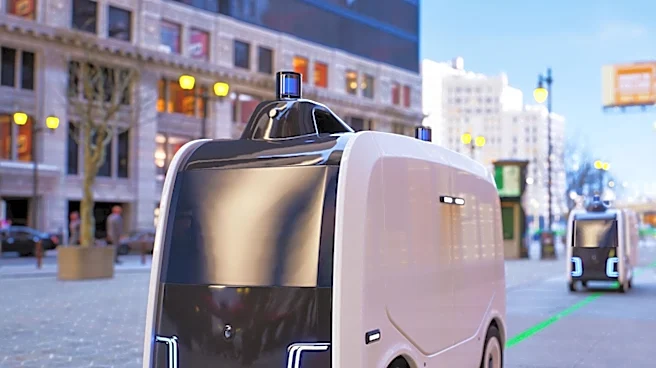
Starship Technologies, a company specializing in autonomous robot delivery, is actively expanding its operations and seeking Robot Technicians. The company's robots are designed to deliver food, groceries, and packages, having completed millions of autonomous deliveries
and traveled millions of miles. These robots perform over 140,000 road crossings daily. Starship Technologies emphasizes its contribution to society by reducing congestion and pollution, providing zero-emissions deliveries, improving residents' quality of life, empowering seniors and disabled individuals, and enabling affordable delivery for local businesses. The Robot Technician role involves maintaining the global fleet of robots, diagnosing and troubleshooting equipment malfunctions, performing repairs (including tires, electronics, and motors), conducting root cause analysis, and carrying out preventive maintenance and upgrades. Technicians will also support operational teams with route mapping and training.
Why It's Important?
The expansion of Starship Technologies' autonomous delivery services signifies a growing trend in last-mile logistics and the broader adoption of physical AI systems in the U.S. This development has several important implications. For consumers, it promises increased convenience and potentially lower delivery costs, especially for groceries and prepared meals. For businesses, particularly local ones, it offers an affordable and efficient delivery solution, which can help them compete with larger retailers and expand their customer reach. Environmentally, the use of zero-emissions robots contributes to reduced carbon footprints and less urban congestion, aligning with sustainability goals. Furthermore, the creation of specialized roles like Robot Technician indicates a shift in the labor market, requiring new skill sets in robotics maintenance and operation, which could lead to new job opportunities in the tech and logistics sectors.
What's Next?
Starship Technologies is expected to continue its expansion into new neighborhoods and regions, increasing the availability of autonomous delivery services. The ongoing recruitment for Robot Technicians suggests a sustained effort to scale operations and maintain a high level of service for its growing fleet. As the company refines its technology and expands its reach, it will likely seek further partnerships with food delivery services, grocery chains, and other businesses to integrate its autonomous robots into existing logistics networks. The focus on root cause analysis and preventive maintenance indicates a commitment to improving robot reliability and efficiency, which will be crucial for widespread adoption. Future developments may also include enhancements to robot capabilities, such as navigating more complex urban environments or handling a wider variety of package types.
Beyond the Headlines
The proliferation of autonomous delivery robots like those from Starship Technologies raises deeper questions about urban infrastructure, public space, and the future of work. As these robots become more common, cities may need to adapt their regulations and infrastructure to accommodate them, potentially leading to dedicated robot pathways or charging stations. There are also ethical considerations regarding the interaction between robots and pedestrians, as well as data privacy concerns related to the robots' navigation and delivery processes. The shift towards autonomous delivery could also impact traditional delivery jobs, necessitating retraining programs or new economic models to support affected workers. Ultimately, the success and integration of these technologies will depend on public acceptance, regulatory frameworks, and the ability of companies like Starship Technologies to demonstrate consistent reliability and safety.