








What's Happening?
AC Milan and FC Internazionale Milano (Inter) have revealed the design for the Generali Stadium, a new 71,500-seat venue intended to be the shared home for both football clubs in Milan, Italy. Designed by Foster + Partners and MANICA, the stadium will
be constructed adjacent to the existing San Siro as part of a larger 281,000-square-meter redevelopment project. This announcement follows years of discussions regarding the future of the historic San Siro stadium, which the clubs acquired in 2025 with the intention of replacing it. Construction is projected to commence in 2028, with the inaugural match scheduled for the 2031/32 season, pending necessary planning approvals. The design incorporates a concrete X-frame structure, diamond-shaped entrances, and a double-curved roof with 27,500 square meters of photovoltaic panels. The facility aims for LEED Gold certification and carbon-neutral operation, featuring naturally ventilated spaces, rainwater harvesting, and high-efficiency LED lighting. The stadium will also include two continuous seating tiers, with steeply inclined sections for active fan groups, and will be capable of hosting concerts, rugby, and American football events in addition to football matches.
Why It's Important?
The development of the Generali Stadium signifies a significant shift in the landscape of Italian football infrastructure, impacting two of Europe's most prominent clubs. The move from the iconic San Siro, a stadium with deep historical roots since 1926, reflects a broader trend in sports towards modern, purpose-built venues designed to enhance fan experience and generate increased revenue. For AC Milan and Inter, a new stadium offers opportunities for greater financial control and operational efficiency, potentially boosting their competitive standing in European football. The project's emphasis on sustainability, targeting LEED Gold certification and carbon-neutral operation, sets a precedent for future sports infrastructure, aligning with growing global environmental concerns. The redevelopment of the surrounding area also promises economic benefits through new public spaces, retail, and leisure facilities, creating a year-round destination. However, the decision to replace San Siro has faced opposition from some supporters and heritage advocates, highlighting the tension between modernization and the preservation of historical sporting landmarks.
What's Next?
The immediate next steps involve securing the necessary planning approvals for the Generali Stadium project. Following these approvals, construction is slated to begin in 2028, with a projected completion date allowing for the first match in the 2031/32 season. The clubs have already secured a naming-rights agreement with Italian insurance company Generali, reportedly valued at €650 million through 2052, which will contribute significantly to the estimated €1.2 billion construction cost. The existing San Siro stadium is expected to remain operational until the new venue opens, after which most of its structure is planned for demolition. The ongoing debate between modernization and heritage preservation is likely to continue, with potential protests from fan groups and heritage advocates who wish to see the San Siro preserved. The success of this project could influence other European clubs considering similar stadium developments, particularly those sharing older, historically significant venues.
Beyond the Headlines
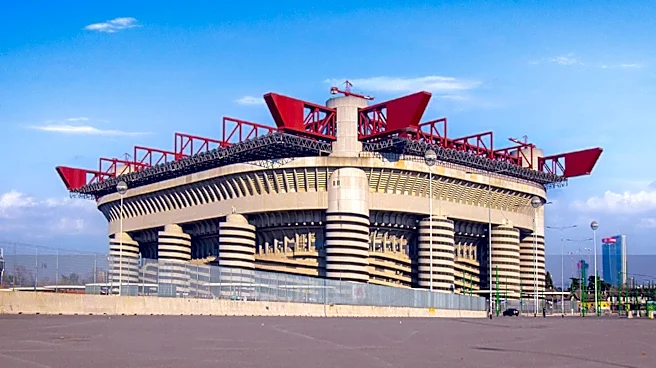
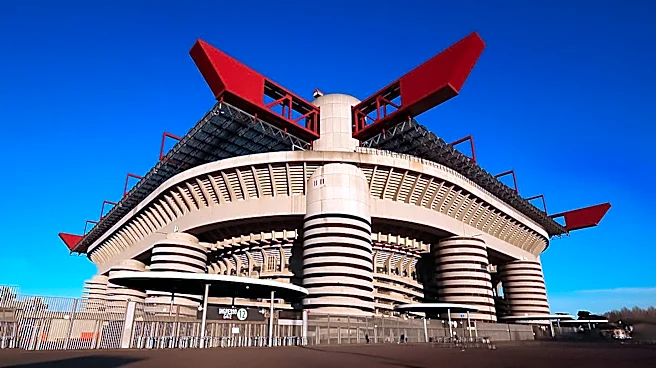
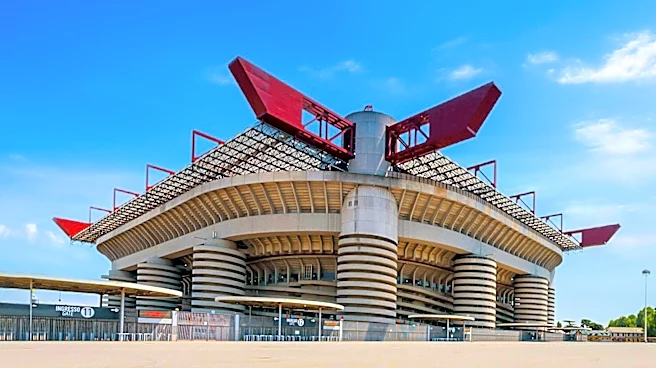
The decision to replace the San Siro with the Generali Stadium touches upon deeper cultural and emotional implications beyond mere infrastructure. The San Siro, also known as Stadio Giuseppe Meazza, is not just a stadium but a symbol of Milanese football history, having hosted countless iconic matches and moments for nearly a century. Its demolition represents a break from tradition for many fans, raising questions about the value placed on sporting heritage versus the pursuit of modern amenities and commercial viability. The project's focus on sustainability, with its LEED Gold certification target and carbon-neutral operation, reflects a growing societal expectation for large-scale developments to address environmental impact. This move could set a new standard for sports venues globally, pushing for more eco-conscious designs. The controversy surrounding the replacement also highlights the evolving relationship between football clubs and their fan bases, where commercial decisions can sometimes clash with deeply held emotional attachments to historical sites. The long-term success of the Generali Stadium will depend not only on its functionality and financial returns but also on its ability to forge a new sense of identity and belonging for the supporters of both AC Milan and Inter.