





What's Happening?
U.S. Rep. Morgan Griffith, R-Salem, recently addressed the manufacturing landscape and economic prospects in Southern Virginia at the 'State of Manufacturing: A Southern Virginia Perspective' event. He highlighted the region's rich history in manufacturing,
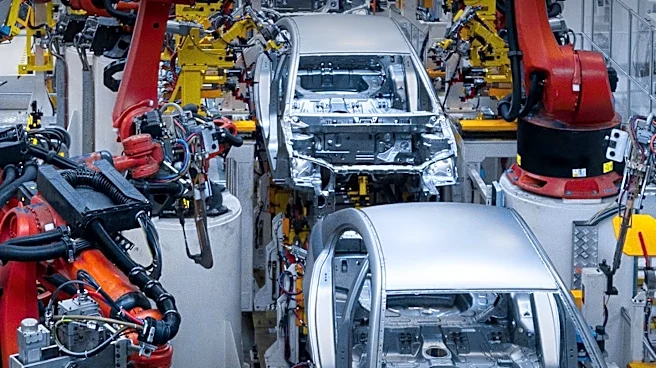
particularly in the furniture and textile industries, and acknowledged the diversification of products currently being made. Griffith emphasized the importance of celebrating businesses that contribute jobs, economic opportunities, and tax revenue to the area. He also looked to the future, stressing the need to attract new jobs and technological advancements, including those driven by artificial intelligence, to Southwest Virginia. The event, attended by over 150 people, also recognized five regional manufacturers that have been in operation for over a century: The Lester Group, Bassett Furniture Industries, Virginia Glass & Mirror, Wabtec Graham White, and Hooker Furnishings. Panelists at the event discussed challenges facing the industry, such as automation and workforce preparation.
Why It's Important?
The discussion led by U.S. Rep. Morgan Griffith underscores the ongoing efforts to bolster economic development and job creation in Southern Virginia. The focus on manufacturing, a traditional economic driver for the region, signals a commitment to maintaining and evolving this sector. By emphasizing the need to embrace new technologies like AI and prepare the workforce for future demands, the region aims to remain competitive and attract high-value jobs. The recognition of long-standing manufacturers highlights the historical significance of the industry and its foundational role in the local economy. This initiative is crucial for ensuring the long-term prosperity of Southern Virginia, providing stable employment, and generating tax revenues that support local communities. The challenges identified, such as automation and workforce readiness, are critical issues that, if addressed effectively, can lead to a more resilient and adaptable regional economy.
What's Next?
The discussions at the 'State of Manufacturing' event are expected to inform future strategies for economic development in Southern Virginia. Continued efforts will likely focus on attracting businesses that leverage advanced technologies, including AI, to create new job opportunities. There will also be an emphasis on workforce development programs designed to equip residents with the skills needed for these evolving industries. Collaboration between educational institutions, local governments, and businesses will be key to addressing challenges like automation and ensuring a skilled labor force. The insights shared by manufacturing and business leaders regarding industry challenges will likely guide policy decisions and investment priorities aimed at fostering innovation and growth in the region's manufacturing sector. The goal is to ensure that Southern Virginia remains a hub for manufacturing and technological advancement.
Beyond the Headlines
Beyond the immediate economic implications, the focus on bringing AI-driven jobs and advanced manufacturing to Southern Virginia reflects a broader national trend of revitalizing domestic production and technological innovation. This initiative could help bridge the economic disparities often seen between urban and rural areas by creating high-skill, high-wage jobs in regions that have historically relied on traditional industries. The emphasis on workforce preparation and critical thinking skills also points to a fundamental shift in educational priorities, aiming to cultivate a generation capable of adapting to rapid technological changes. This long-term investment in human capital and technological infrastructure could transform Southern Virginia into a model for regional economic resilience and innovation, potentially influencing similar strategies in other parts of the U.S. facing similar economic transitions.