








What's Happening?
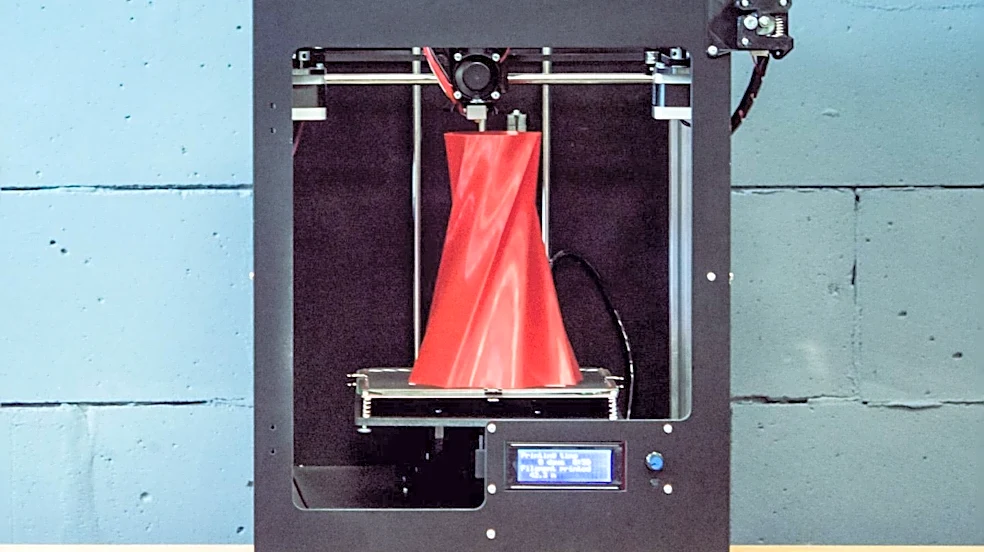
Israeli company Steakholder Foods has launched its 3D-printed, plant-based meat and fish products, including salmon, in retail stores across the Northeastern U.S. These products are sold under the brand name Perfecta. The company announced this development
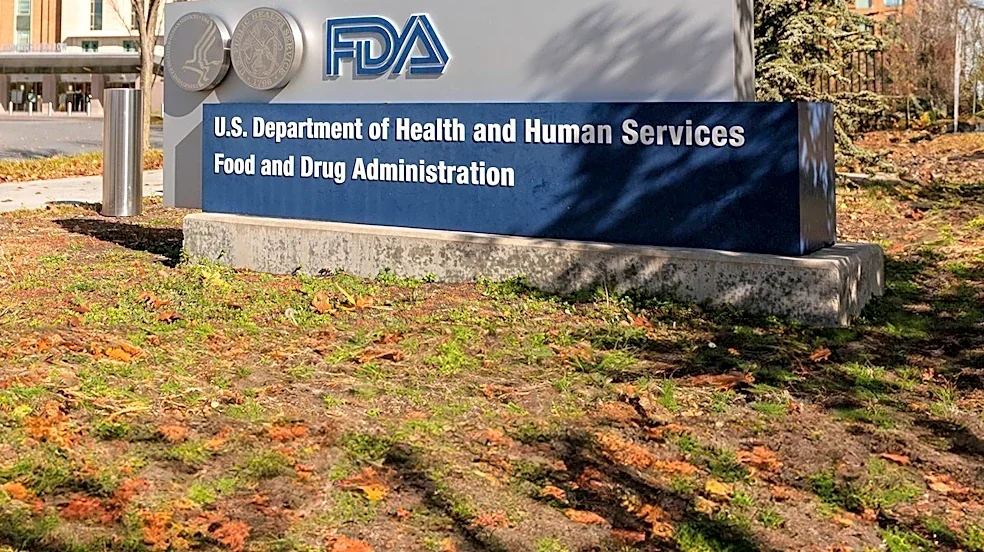
on September 3. Steakholder Foods utilizes plant-based ingredients and cultivates cells to create these 3D-printed meat alternatives. While the products are now available, the specific grocery stores or retailers stocking them have not been publicly identified. Snopes reached out to Steakholder Foods for more details but did not receive a response. The U.S. Food and Drug Administration (FDA) and the U.S. Department of Agriculture's Food Safety and Inspection Service (FSIS) regulate 'lab-grown' meat made with cultured animal cells, requiring specific labeling. However, Perfecta products, being plant-based and not made with cultured animal cells, do not fall under these specific regulations. The FDA clarified that it generally does not approve finished foods or manufacturing processes, but ingredients and additives must be proven safe. The product packaging clearly identifies the items as 'premium plant meat' and 'plant-based,' without explicitly stating they are 3D-printed or made with cultured cells. Methylcellulose, an ingredient also found in laxatives, is used in the 3D-printed salmon as a binder to achieve a meat-like texture, a use approved by the FDA.
Why It's Important?
The introduction of 3D-printed plant-based salmon by Steakholder Foods marks a significant step in the alternative protein market within the U.S. This development offers consumers new options for plant-based seafood, potentially catering to those seeking sustainable or ethical alternatives to traditional fish products. The use of 3D printing technology in food production could revolutionize how plant-based meats are manufactured, allowing for greater precision in mimicking the texture and appearance of conventional meat. This innovation could also influence the broader food industry by pushing other companies to explore advanced manufacturing techniques for plant-based alternatives. The regulatory landscape for these products is also highlighted; since they are plant-based and not derived from cultured animal cells, they face different oversight compared to 'lab-grown' meats. This distinction could impact consumer perception and market adoption, as labeling requirements differ. The inclusion of ingredients like methylcellulose, while FDA-approved, may also draw consumer scrutiny, emphasizing the need for transparency in ingredient sourcing and processing for novel food products.
What's Next?
The immediate next step involves the wider distribution and consumer adoption of Steakholder Foods' Perfecta products in the Northeastern U.S. The company will likely aim to secure partnerships with more retailers and potentially expand its market reach to other regions. Consumer feedback on taste, texture, and price will be crucial in determining the long-term success and market penetration of these 3D-printed plant-based options. As more novel food products enter the market, there may be increased discussions around labeling clarity, particularly for products utilizing advanced manufacturing techniques like 3D printing, even if they are plant-based. The success of Steakholder Foods could also spur further investment and innovation in the 3D-printed food sector, encouraging other food technology companies to develop similar products. Additionally, ongoing dialogue between food manufacturers and regulatory bodies like the FDA will be essential to ensure that new ingredients and processes meet safety standards and that consumers are adequately informed about the products they purchase.
Beyond the Headlines
This launch signifies a broader trend in the food industry towards technological innovation to address sustainability, ethical concerns, and evolving consumer preferences. The use of 3D printing in food production moves beyond simple plant-based alternatives, offering a new dimension in food engineering that can precisely control texture and structure, potentially overcoming some of the limitations of earlier plant-based products. This could lead to a future where food is 'designed' and 'printed' to meet specific nutritional profiles or sensory experiences. The regulatory distinction between plant-based 3D-printed foods and cell-cultured meats also highlights an evolving legal and ethical landscape in food production. As technology advances, regulators will face increasing challenges in categorizing and overseeing novel food products, which could lead to new frameworks or amendments to existing food safety laws. Furthermore, the acceptance of such technologically advanced foods by the public will depend not only on taste and price but also on transparency regarding ingredients and manufacturing processes, shaping consumer trust in the future of food.