







What's Happening?
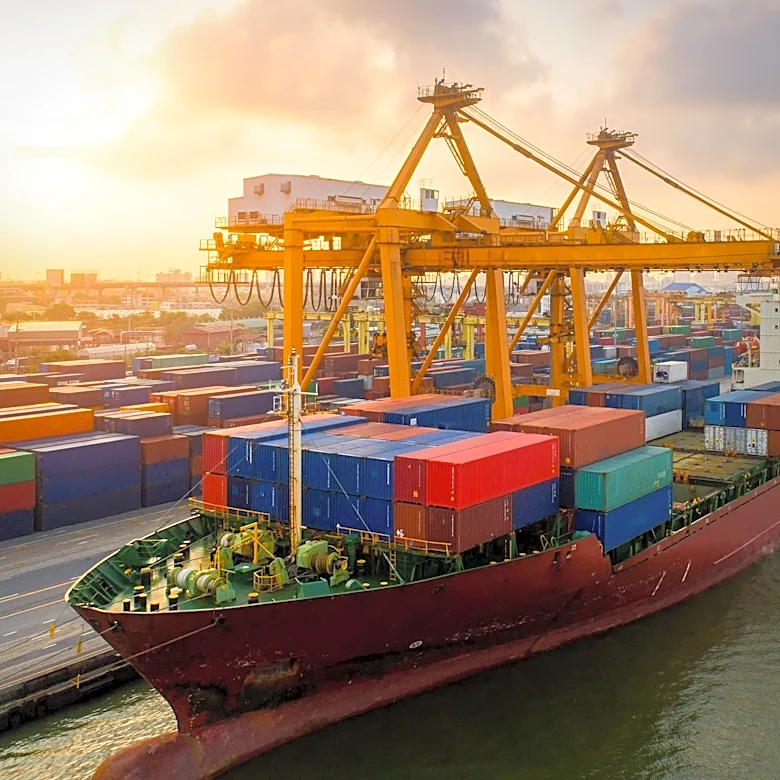
Hyundai Motor America has announced significant changes to its electric vehicle (EV) lineup in the U.S. market. In March, the company decided to discontinue the sale of the Hyundai Ioniq 6 in the United States. This decision is likely influenced by tariff
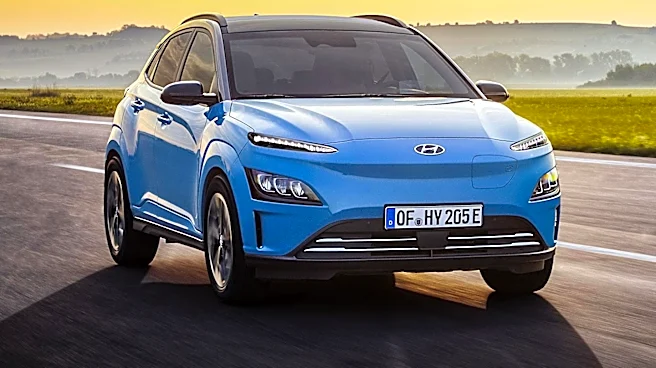
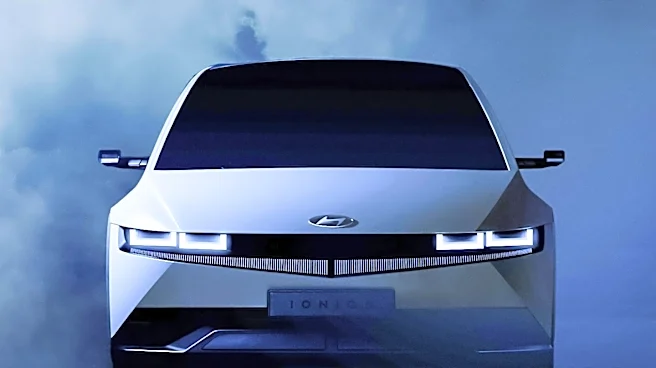
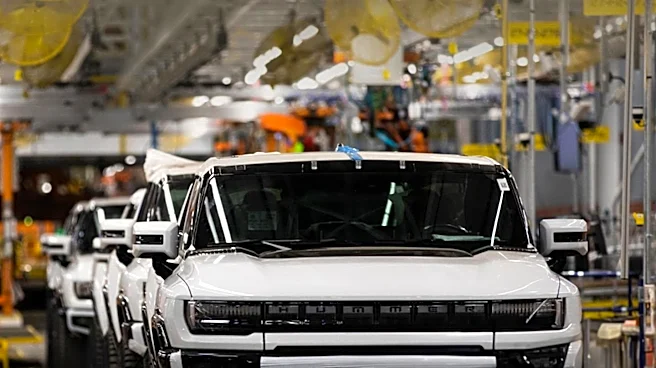
issues, as the Ioniq 6 is manufactured in South Korea and imported to the U.S. Despite this, Hyundai plans to continue importing the more expensive, lower volume N-model of the Ioniq 6. Meanwhile, the company’s Ioniq 5 and Ioniq 9 models, which are assembled at Hyundai's factory in Georgia, will remain available in the U.S. market. This strategic shift reflects Hyundai's response to changing economic conditions and trade policies affecting the automotive industry.
Why It's Important?
The decision by Hyundai to adjust its EV offerings in the U.S. highlights the broader challenges faced by automakers due to international trade policies and tariffs. By discontinuing the Ioniq 6, Hyundai is responding to the financial pressures of importing vehicles subject to tariffs, which can significantly impact pricing and competitiveness in the U.S. market. This move underscores the importance of local manufacturing capabilities, as seen with the continued production of the Ioniq 5 and Ioniq 9 in Georgia. The shift may influence other automakers to reconsider their production and import strategies, potentially affecting the availability and pricing of EVs in the U.S. market. Consumers may experience limited choices and potential price increases as manufacturers navigate these economic challenges.
What's Next?
Hyundai's decision to focus on locally assembled models like the Ioniq 5 and Ioniq 9 suggests a strategic pivot towards strengthening its manufacturing presence in the U.S. This could lead to increased investment in domestic production facilities and potential job creation in the automotive sector. Additionally, the continued import of the N-model Ioniq 6 indicates Hyundai's commitment to offering premium options despite tariff challenges. As the EV market evolves, Hyundai and other automakers may advocate for policy changes to mitigate the impact of tariffs and support the growth of the EV industry in the U.S. Stakeholders, including policymakers and industry leaders, will likely monitor these developments closely to assess their implications for the automotive market and trade relations.