
What's Happening?
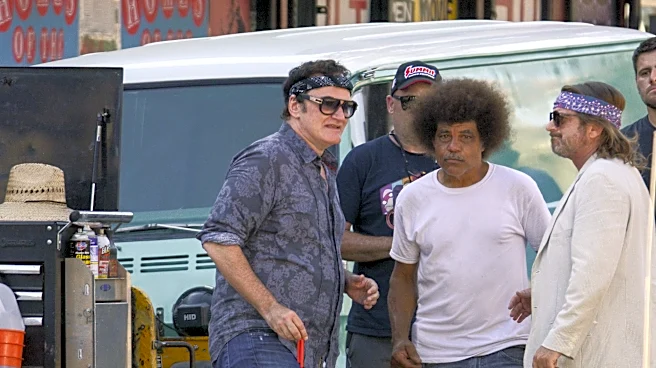
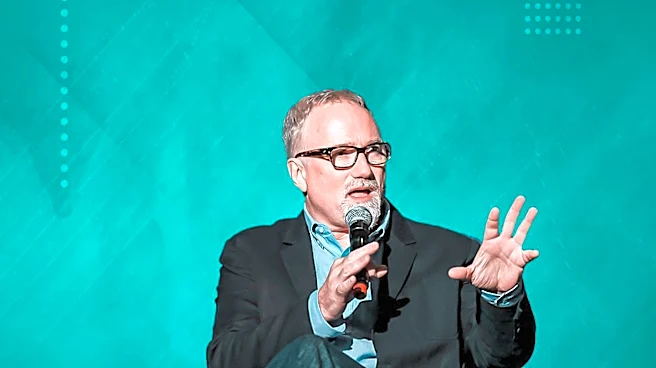
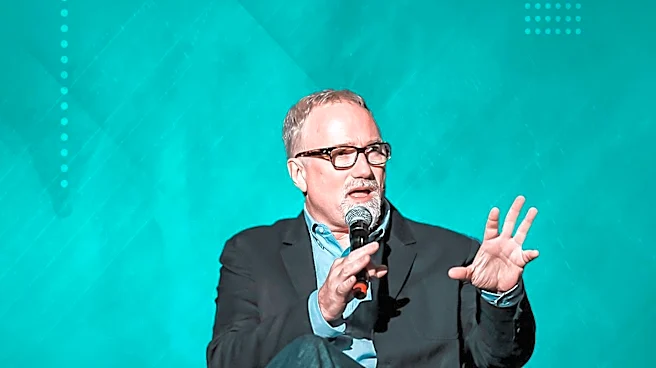
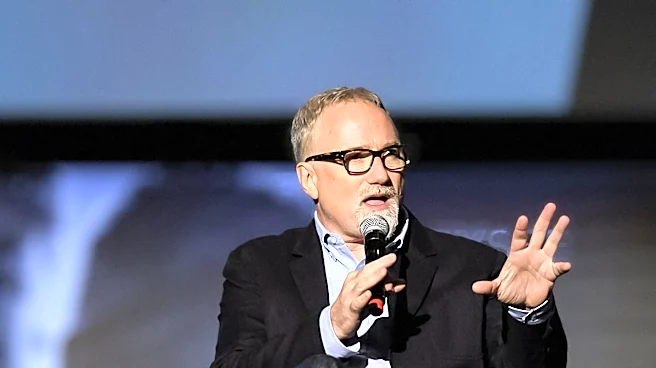
Early screenings of David Fincher's highly anticipated sequel, 'The Further Mis-Adventures of Cliff Booth,' have sparked widespread allegations of extensive generative AI use in its production. Viewers
reported numerous visual inconsistencies, including character continuity errors and unnatural environmental details, leading to speculation that AI tools were employed to create or modify footage. These anomalies have been described as an 'uncanny valley effect' in certain sequences, prompting social media discussions with frame-by-frame comparisons. Neither Fincher nor Netflix has officially commented on these allegations. The film, a continuation of Quentin Tarantino's 'Once Upon a Time in Hollywood,' was officially released on November 24, 2026, on Netflix's streaming platform.
Why It's Important?
This controversy marks a significant moment for AI transparency within major Hollywood productions. If confirmed, the suspected AI use in a high-profile film like Fincher's 'Cliff Booth' sequel would be one of the most prominent instances of generative AI tools in a prestige release. It intensifies the ongoing debate in Hollywood regarding AI's role in filmmaking, particularly following recent industry strikes and negotiations where unions like the Directors Guild of America and Screen Actors Guild pushed for transparency requirements concerning AI tools that generate or alter visual content. The incident highlights the growing need for clear industry standards and disclosure practices, impacting discussions around artistic authenticity and technological enhancement in cinematic storytelling.
What's Next?
The resolution of the 'Cliff Booth' AI controversy is expected to influence how Hollywood approaches AI integration in future productions. The lack of official statements from David Fincher or Netflix leaves the industry and audiences awaiting clarification. The ongoing scrutiny will likely fuel further discussions among filmmakers, studios, and audiences about the ethical and artistic boundaries of AI in creative works. This situation could accelerate the development of industry-wide guidelines for AI disclosure, potentially leading to new contractual clauses or regulatory frameworks to address the use of generative AI in film production and ensure transparency for viewers and creators alike.
Beyond the Headlines
The allegations surrounding 'The Further Mis-Adventures of Cliff Booth' delve into deeper implications concerning artistic authenticity and the fundamental nature of cinematic storytelling. While David Fincher is known for embracing digital techniques, the reported 'uncanny valley effect' and visual inconsistencies raise questions about the perceived integrity of a director's vision when AI is heavily involved. This incident could shift audience expectations regarding visual fidelity and the 'human touch' in filmmaking. It also highlights the ethical dilemma for studios balancing technological advancement with maintaining artistic credibility, potentially leading to a re-evaluation of what constitutes authorship and originality in an AI-augmented creative landscape.