




What's Happening?
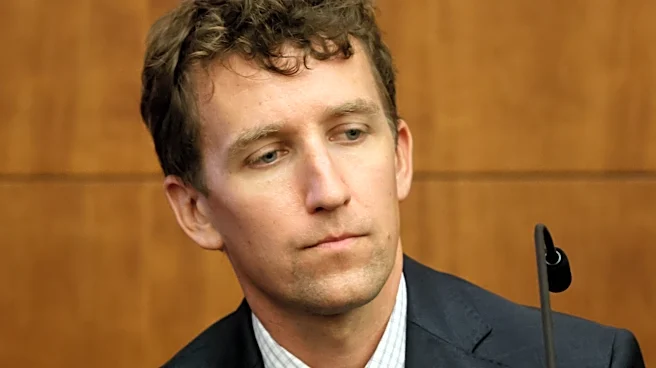
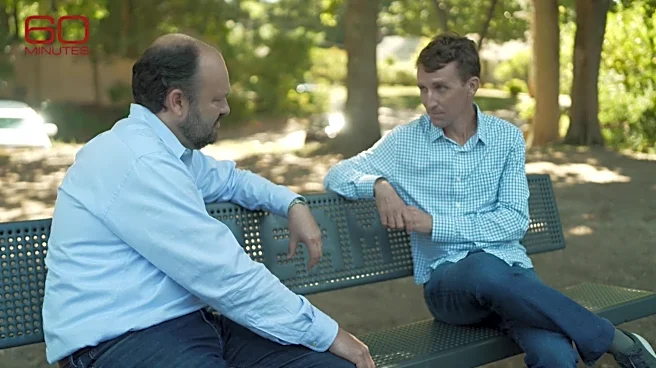
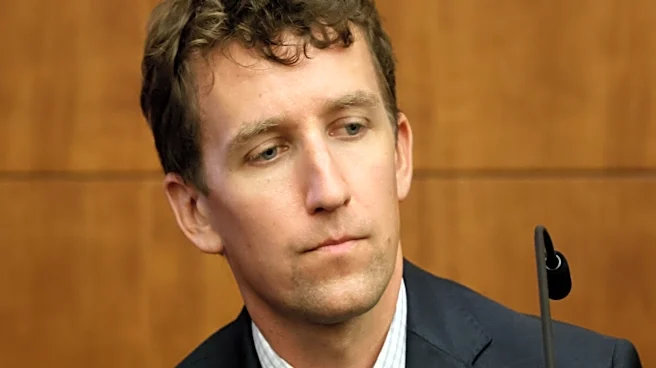
Journalist John Dickerson, formerly an anchor at CBS News, recently discussed his profound relationship with the concept of death during an interview at the Aspen Ideas Festival. Dickerson, who has since transitioned to an independent path in journalism,
revealed that he frequently contemplates mortality, even wearing a 'memento mori' bracelet as a constant reminder. He explained that this practice, rooted in historical and philosophical traditions, serves a significant utility in his life. For Dickerson, thinking about the finite nature of existence allows him to perceive grace and beauty in many aspects of life, fostering a deeper appreciation for human connection and the stories people share. He believes it helps him focus on what truly matters, rather than getting caught up in anxieties or the trivialities often emphasized in the news industry.
Why It's Important?
John Dickerson's perspective on death offers a significant insight into the personal philosophies that can shape a journalist's approach to their work and life. In a profession often characterized by fast-paced news cycles, political pressures, and the constant pursuit of information, his deliberate contemplation of mortality highlights a counter-narrative focused on deeper meaning and human connection. This approach can influence the type of stories he chooses to tell, the empathy he brings to interviews, and his overall journalistic integrity. By emphasizing the 'elemental human level,' Dickerson suggests a method for cutting through superficiality and focusing on the core experiences that unite people. This is particularly important in an era of increasing polarization and information overload, where a journalist's ability to foster understanding and gratitude can be a powerful force. His philosophy also serves as a reminder that even in demanding careers, personal reflection and a search for meaning can lead to a more grounded and impactful professional life.
What's Next?
As John Dickerson continues his independent journalistic path, his expressed philosophy on life and death will likely inform his future projects and content. This could manifest in more introspective reporting, a focus on human-interest stories that explore the deeper aspects of the human condition, or even in his commentary on current events, offering a more nuanced and reflective perspective. His emphasis on 'grace and beauty' and 'gratitude' suggests a potential shift towards journalism that seeks to uplift and connect, rather than solely report on conflict or controversy. For his audience, this could mean a different kind of engagement with news and analysis, one that encourages deeper thought and appreciation for life's complexities. His public sharing of this personal philosophy might also inspire other journalists and individuals to consider the utility of contemplating mortality in their own lives and professions, potentially fostering a broader conversation about meaning and purpose in contemporary society.
Beyond the Headlines
John Dickerson's discussion of mortality delves into profound ethical and cultural dimensions that extend beyond his journalistic career. His adoption of 'memento mori' as a guiding principle connects him to ancient philosophical traditions that emphasize humility, the transient nature of life, and the importance of living meaningfully. In a modern society often characterized by a fear of death and a relentless pursuit of material success, Dickerson's perspective offers a counter-cultural viewpoint that prioritizes inner reflection and humanistic values. This approach can have broader implications for how individuals navigate stress, anxiety, and the pressures of daily life, encouraging a focus on gratitude and the present moment. Culturally, it highlights the enduring relevance of existential questions and the role of public figures in prompting such introspection. His journey from mainstream media to an independent path also subtly underscores a growing trend among professionals seeking more authentic and purpose-driven work, aligning their careers with their personal values and philosophical outlooks.