





What's Happening?
Nelson Peltz, 84, through his hedge fund Trian, has transitioned from an activist investor to an owner, marked by significant changes in his portfolio. The reported value of Trian's holdings decreased from $4.2 billion to $2.6 billion, a 39% reduction,
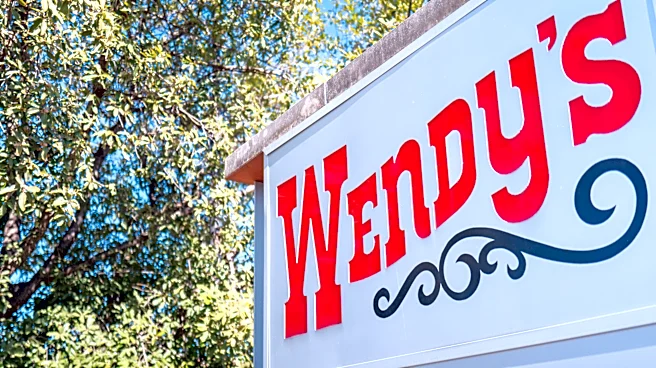
primarily due to the acquisition and delisting of Janus Henderson, which was previously the second-largest position. This move indicates a shift in Peltz's investment strategy, where he now aims to acquire companies outright rather than just holding minority stakes and engaging with management. Following these changes, Trian's largest current holdings include GE Aerospace, Solventum, and GE HealthCare. Additionally, Peltz, in collaboration with investors BlueFive Capital, Sixth Street, and Flynn Group, has made a non-binding offer of $7.35 per share in cash for Wendy's, totaling approximately $1.4 billion. This bid represents about a 20% premium over Wendy's closing price the day before the offer, causing the stock to jump by around 15%. Trian and its affiliates already hold over 16% of Wendy's shares. Peltz previously served as the chairman of the burger chain, which has seen its stock price decline by roughly two-thirds over the past five years.
Why It's Important?
This strategic shift by Nelson Peltz from activist investing to outright ownership could have significant implications for the U.S. business landscape, particularly for companies that become targets of such acquisitions. For shareholders of companies like Wendy's, the offer presents both an opportunity and a risk. While the bid establishes a floor for the stock price as long as it remains active, there's also the possibility of the offer failing. This approach allows Peltz to implement changes and restructure companies away from public market scrutiny, potentially leading to more drastic and rapid transformations. The move also highlights a trend where seasoned investors might seek greater control over their investments to drive value, especially in companies that have underperformed. The premium offered for Wendy's shares suggests a belief in the company's untapped potential, and a successful acquisition could lead to a significant overhaul of its operations and market strategy. This could set a precedent for other activist investors considering similar shifts in their investment methodologies.
What's Next?
The non-binding offer for Wendy's is currently under review by an independent committee. This committee will assess the proposal's fairness and determine whether it is in the best interest of all shareholders. The outcome of this review will dictate the next steps, which could include negotiations, a revised offer, or the rejection of the bid. If the offer is accepted, Peltz and his partners would proceed with the acquisition, taking Wendy's private and allowing them to implement their strategic vision without the immediate pressures of public market reporting. Conversely, if the offer is rejected, Wendy's stock price could face downward pressure, and Peltz might either withdraw his bid or consider alternative strategies. The market will closely watch the independent committee's decision, as it will signal the potential future direction of Wendy's and could influence other companies facing similar acquisition interests from activist investors.
Beyond the Headlines
Peltz's pivot to outright ownership, as exemplified by the Janus Henderson acquisition and the Wendy's bid, signifies a deeper evolution in investment strategies among some activist investors. This approach moves beyond influencing corporate governance from a minority position to taking full control, enabling a more comprehensive and potentially faster restructuring of target companies. This could lead to a re-evaluation of corporate defense strategies for publicly traded companies, as they might face not just activist pressure but outright acquisition attempts. The ethical implications of such moves include questions about the long-term impact on employees, suppliers, and local communities when a company is taken private and potentially restructured for maximum efficiency. Furthermore, this trend could reduce the number of publicly traded companies, impacting market liquidity and investment opportunities for retail investors. The shift also underscores the increasing concentration of capital and control in the hands of a few powerful investment entities, potentially altering the competitive landscape within various industries.