




What's Happening?
The Armenian Museum of America (AMA) in Watertown, MA, is highlighted as a significant institution for individuals seeking to reconnect with Armenian history and identity. A recent visit by a high school student, Sarah Behjet, underscored the museum's
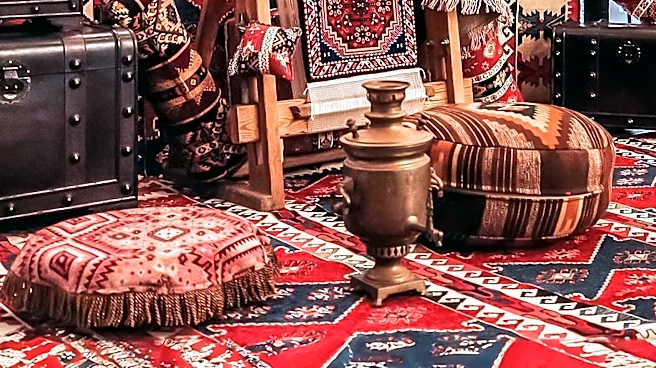
profound impact. Behjet's experience, initially a spontaneous stop, evolved into a deep exploration of the AMA's four floors of ethnographic exhibits and historical resources. The museum's artifacts and comprehensive descriptions, including details about the Armenian Genocide and its aftermath, resonated deeply with her family's history. The AMA's collections also feature Armenian art, fashion, and literary works, showcasing the community's creativity and resilience, with some garments dating back to 1911. A detailed replica of the Bogigian House further illustrates Armenian heritage.
Why It's Important?
The Armenian Museum of America plays a critical role in preserving and promoting Armenian culture and history, particularly in the U.S. Its extensive collections serve as a vital educational resource, offering insights into the Armenian Genocide and the enduring resilience of the Armenian people. For the Armenian diaspora, institutions like the AMA are crucial for maintaining cultural identity and fostering a connection to their heritage, especially for younger generations. The museum's ability to evoke a 'renewed sense of purpose and responsibility' in visitors, as described by Behjet, demonstrates its profound impact on individual and collective identity. By memorializing the past, the AMA empowers the community to inspire future change and ensures that Armenian identity continues to thrive.
What's Next?
The Armenian Museum of America will likely continue its mission of education and cultural preservation, potentially expanding its outreach to engage more visitors and communities. The personal accounts of profound connection, such as Behjet's, serve as powerful testimonials that can attract new audiences and encourage deeper engagement with Armenian history. The museum may explore new exhibitions or educational programs to further illuminate various facets of Armenian heritage and address contemporary issues relevant to the diaspora. Continued support from the community and broader public will be essential for the AMA to maintain its extensive collections and educational initiatives, ensuring its role as a beacon of Armenian culture.
Beyond the Headlines
The AMA's significance extends beyond its role as a repository of artifacts; it functions as a living testament to resilience and cultural survival. In a world where cultural identities can be diluted or lost, especially for diaspora communities, the museum provides a tangible link to ancestral roots. It addresses not only historical injustices but also celebrates the vibrant artistic and intellectual contributions of Armenians. The emotional impact described by visitors, including a sense of grief alongside renewed purpose, highlights the museum's ability to facilitate a complex and meaningful engagement with history. This deep connection can foster intergenerational dialogue and strengthen community bonds, ensuring that the lessons and legacies of the past continue to inform and inspire the future.