






What's Happening?
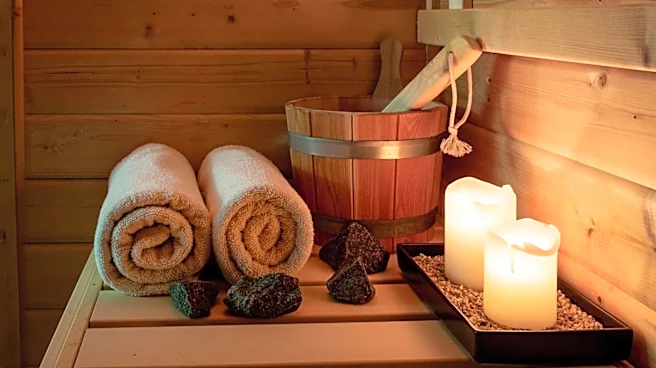
San Francisco is experiencing a surge in the popularity of saunas and cold plunges, with many new facilities opening across the city. Adam Zolot, who expanded his paddleboard business to include a sauna and cold plunge, noted a significant demand for
these amenities. While saunas have a stronger scientific backing, with large studies in Finland linking their use to improved heart health and lower mortality risk, the evidence for cold plunges is less clear. Dr. Gregory Marcus, a cardiologist at UCSF, states that both practices warrant more research, though preliminary evidence suggests potential benefits for saunas. Experts recommend staying in a sauna for about 20 minutes, followed by a one to three-minute cold plunge, often repeating the cycle. Saunas are generally kept between 180 and 200 degrees Fahrenheit, while cold plunges range from 32 to 60 degrees. Small studies indicate that cold water exposure may improve metabolism and immune function, but aging experts note that ice baths for muscle repair are not typically necessary for the average person.
Why It's Important?
The growing trend of saunas and cold plunges in San Francisco reflects a broader national interest in wellness and longevity practices, influencing consumer behavior and the health and fitness industry. This trend highlights a shift towards proactive health management and alternative therapies, potentially driving innovation in wellness facility design and service offerings. For businesses, the increased demand creates new market opportunities, as seen with Adam Zolot's successful integration of these amenities into his existing business. However, the disparity in scientific evidence between saunas and cold plunges also underscores the importance of evidence-based health decisions. While saunas show promising cardiovascular benefits, the less-studied nature of cold plunges means consumers might be investing in practices with unproven long-term health impacts. This situation could lead to increased research funding in this area, as medical professionals seek to validate or refute the perceived benefits, ultimately shaping public health recommendations and consumer choices.
What's Next?
As the popularity of saunas and cold plunges continues to grow, it is likely that more wellness centers and fitness facilities across the U.S. will incorporate these amenities. This trend may also lead to an increase in home-based sauna and cold plunge solutions, catering to individuals seeking convenience. Medical and scientific communities are expected to conduct more rigorous research to fully understand the long-term health benefits and potential risks associated with cold water immersion, similar to the extensive studies on saunas. This research will be crucial for developing clearer guidelines and recommendations for safe and effective use. Additionally, regulatory bodies might begin to consider standards for these facilities to ensure public safety and health, especially as their usage becomes more widespread.
Beyond the Headlines
The embrace of saunas and cold plunges in San Francisco points to a deeper cultural phenomenon: the pursuit of well-being through practices that challenge the body. This trend, often influenced by international traditions like Scandinavian sauna culture and Japanese onsen, signifies a blending of global wellness practices into American lifestyle. Beyond the physical benefits, proponents often describe a mental and emotional 'buzz' or 'meditative' state, suggesting a psychological dimension to these practices that contributes to stress resilience and mental clarity. The contrast between heat and cold is perceived by some as a way to 'slap' the system, promoting a heightened sense of awareness and vitality. This holistic approach to health, integrating physical and mental aspects, could influence future wellness trends and the design of urban spaces, emphasizing facilities that support both physical activity and mindful relaxation.