







What's Happening?
The city of Wiesbaden, Germany, through its 'Gemeinsam sicher' working group, is offering mobility training sessions for seniors to help them use public buses safely and confidently. The initiative, part of the 'MAXimal mobil bleiben – mit Verantwortung'
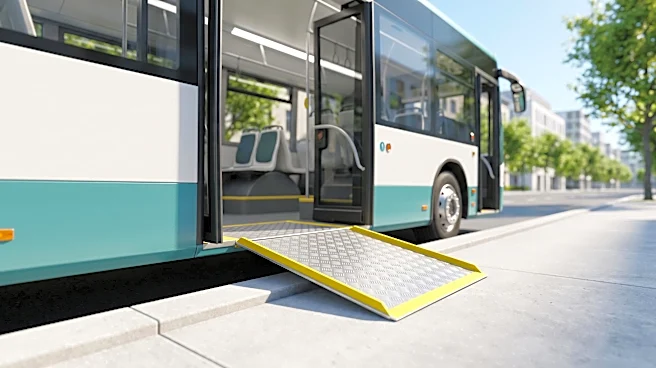
(Max Mobil) campaign, aims to address fears and uncertainties older adults may have about using public transportation, especially those with limited mobility or who rely on assistive devices like canes, walkers, or wheelchairs. The training provides practical tips and hands-on practice, covering aspects such as safe boarding, door closure awareness, and communication with bus drivers. Andreas Kowol, Wiesbaden’s Director of Transportation, emphasized that the goal is to dispel unfounded fears, inform customers about available support options, and demonstrate how buses can be used safely and comfortably even with a disability. The program is a collaborative effort between the Prevention Council of the State Capital of Wiesbaden, ESWE Verkehr GmbH, and the West Hesse Police Headquarters. Due to limited spots, registration is required through the Biebrich Neighborhood Center or the Prevention Council’s office.
Why It's Important?
This initiative is important as it directly addresses a critical aspect of senior well-being: maintaining independence and social engagement. By providing practical training on safe bus usage, Wiesbaden is empowering older adults to continue participating in community life, visiting friends, and pursuing their interests outside their homes. This proactive approach can significantly reduce social isolation and improve the quality of life for seniors. The program also highlights the importance of public transportation accessibility for all citizens, regardless of age or physical condition. For public transport providers, such training can lead to increased ridership among seniors, fostering a more inclusive and age-friendly urban environment. Furthermore, by reducing accidents and incidents involving older passengers, it can enhance overall public safety and potentially lower healthcare costs associated with falls or injuries.
What's Next?
The 'Gemeinsam sicher' working group plans to continue offering these mobility training sessions, with the next one scheduled for September 10th in Wiesbaden-Biebrich. Future sessions will likely continue to focus on practical exercises and addressing specific concerns of senior bus users. The success of this program could serve as a model for other cities looking to improve public transportation accessibility and safety for their aging populations. Continued collaboration between municipal authorities, public transport companies, and police will be crucial for the sustained success and expansion of such initiatives. There may also be opportunities to gather feedback from participants to refine the training content and delivery methods, ensuring it remains relevant and effective for the target demographic.
Beyond the Headlines
Beyond the immediate benefits of safer bus travel, this program touches upon broader societal implications regarding aging populations and urban planning. As demographics shift and more people live longer, cities face increasing pressure to adapt their infrastructure and services to meet the needs of older adults. Initiatives like Wiesbaden's mobility training underscore a commitment to creating age-friendly cities where seniors can maintain their autonomy and contribute to society. It also highlights the often-overlooked psychological barrier of fear and uncertainty that can prevent older individuals from utilizing public services. By proactively addressing these concerns through education and practical support, cities can foster a more inclusive and supportive environment, promoting active aging and reducing the burden on caregivers and healthcare systems. This approach recognizes that mobility is not just about physical movement but also about social connection and mental well-being.