





What's Happening?
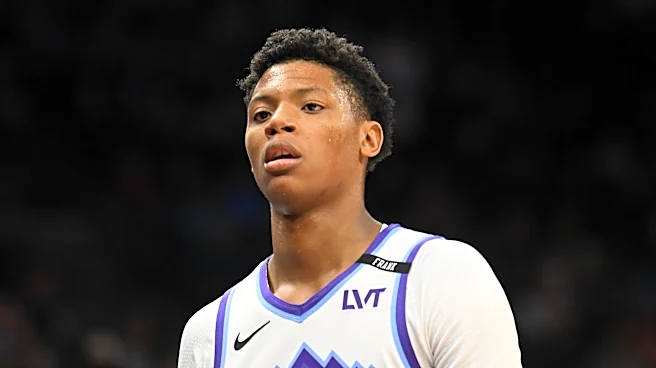
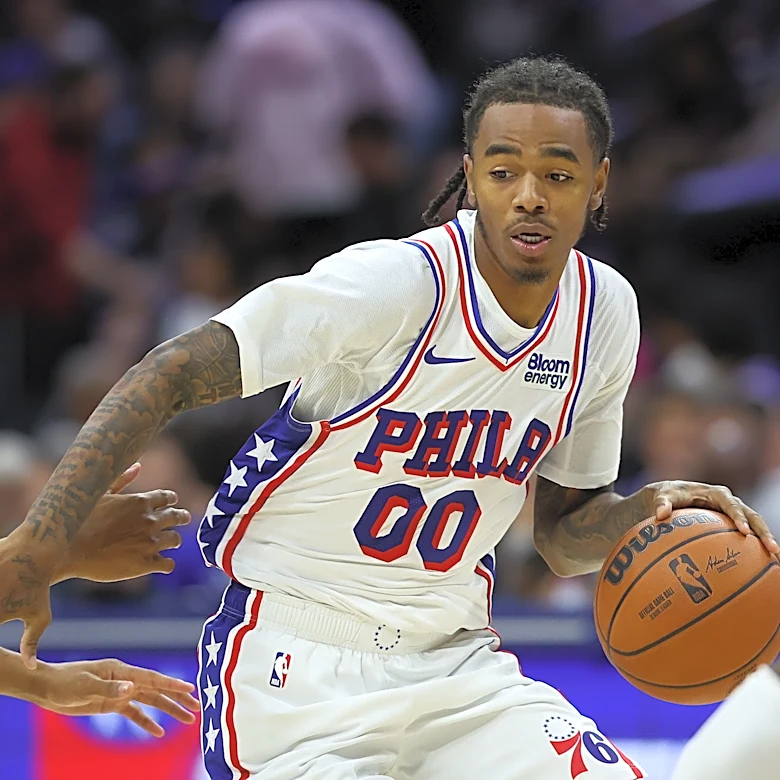
The Utah Jazz are reportedly engaged in trade discussions involving their third-year guard, Isaiah Collier, as the team seeks to address depth and fit issues despite a roster featuring talented young players and veterans. According to Fastbreak Journal's
Grant Afseth, the Jazz are willing to part with Collier, especially after declining his $4.99 million team option for the 2027-28 season. Collier, 22, currently has a salary of $2.7 million and is averaging 6.4 points, 3.2 rebounds, and 4.0 assists per game this season. His relatively low cost and potential upside make him an attractive asset for teams looking for a low-cost addition, particularly since his next season's starting salary cannot exceed $4.9 million. The Jazz's current record stands at 3-13, placing them 14th in the Western Conference, indicating a need for significant roster adjustments despite recent wins.
Why It's Important?
This potential trade signifies the Utah Jazz's proactive approach to retooling their roster and addressing their current struggles in the NBA. By making Isaiah Collier available, the Jazz aim to acquire pieces that better fit their team chemistry and strategic vision, potentially impacting their competitiveness in the Western Conference. For Collier, a trade could offer a new opportunity to develop his game and secure a more prominent role with a different franchise. For potential acquiring teams like the Chicago Bulls, Oklahoma City Thunder, or Phoenix Suns, adding Collier could provide valuable backcourt depth, a low-cost asset, or a potential future starter, depending on their specific needs. The financial implications are also significant, as Collier's affordable contract makes him an appealing target for teams looking to manage their salary cap while acquiring talent. This move could trigger a ripple effect in the league, as other teams might adjust their trade strategies based on the Jazz's actions.
What's Next?
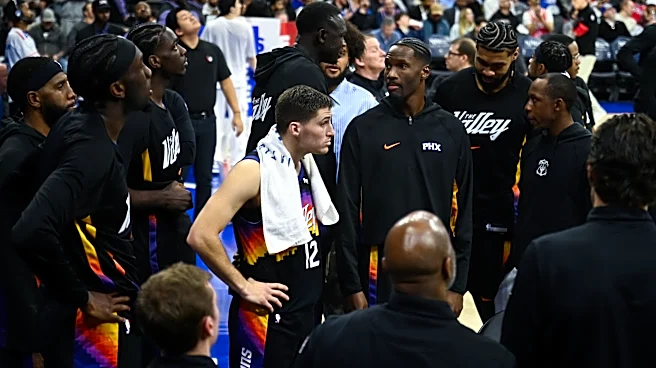
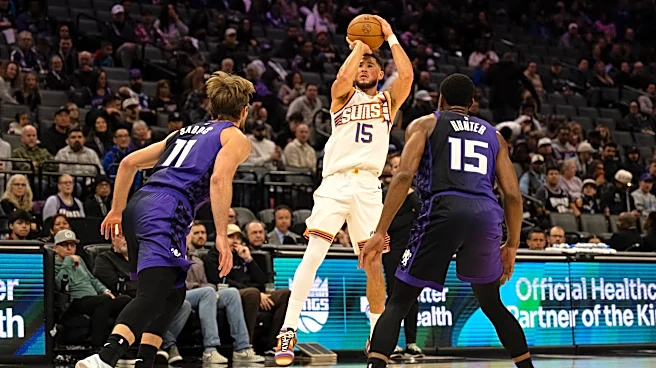
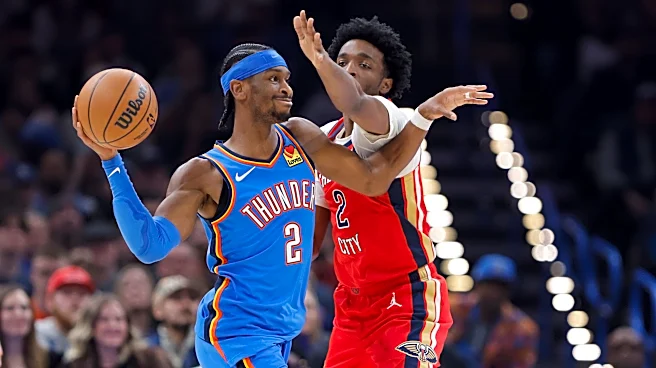
The Utah Jazz are expected to continue exploring trade opportunities for Isaiah Collier, with several teams identified as potential destinations. Proposed trade scenarios include sending Collier and a 2031 first-round pick (LAL) to the Chicago Bulls in exchange for Tre Jones. Another possibility involves the Oklahoma City Thunder acquiring Collier by trading Nikola Topic. The Phoenix Suns are also mentioned as a potential suitor, possibly offering Ryan Dunn and a protected 2030 first-round pick for Collier. These discussions indicate that the Jazz are actively seeking specific types of players or draft capital to improve their roster. The outcome of these trade talks will likely shape the Jazz's immediate future and could influence the competitive landscape of the involved teams. Further developments are anticipated as the trade deadline approaches, with teams assessing their needs and available assets.
Beyond the Headlines
The decision by the Utah Jazz to trade Isaiah Collier, particularly after declining his team option, highlights the complex balance between player development, team performance, and financial strategy in the NBA. It underscores the transactional nature of professional sports, where players are often viewed as assets to be leveraged for the team's overall benefit. This move also reflects a broader trend in the league where teams are increasingly willing to make significant roster changes early in a player's career if they don't immediately fit the team's long-term vision or performance expectations. The emphasis on low-cost additions like Collier also points to the growing importance of salary cap management and finding value in the trade market. This situation could serve as a case study for how teams navigate player options and trade discussions to optimize their roster composition and financial flexibility in a highly competitive league.