


What's Happening?
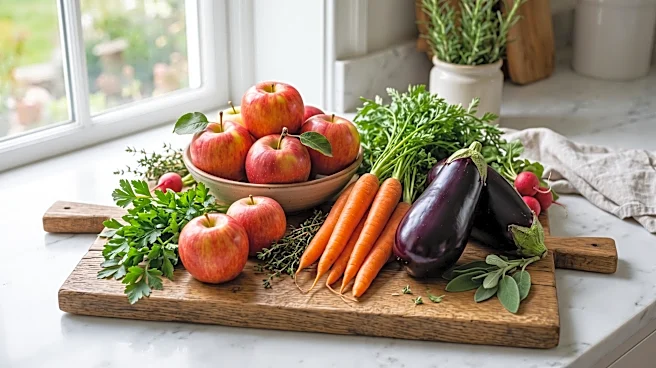
Nutrition experts Elizabeth Shaw, MS, RDN, CPT, and Sylvia Klinger, DBA, MS, RD, recommend consuming certain fruits and vegetables with their skins intact to maximize nutritional intake. They highlight that the peels of apples, pears, sweet potatoes,
cucumbers, eggplants, peaches, and carrots are rich in fiber, antioxidants, vitamins, and other protective plant compounds. For instance, apple peels contain fiber, vitamin K, potassium, flavonoids, and polyphenols, which protect cells from free radicals. Sweet potato skin significantly boosts vitamin A content, providing approximately 3,500 IU more per 100-gram serving than peeled versions. Cucumber skin nearly doubles the vitamin K content, and eggplant's purple peel contains anthocyanins like nasunin, known for antioxidant properties. The experts emphasize that these skins act as a protective barrier for the plants, making them concentrated sources of beneficial nutrients. They also advise simple washing methods, primarily cool, running water, and a produce brush for tougher skins, rather than commercial washes.
Why It's Important?
Retaining the skins of these fruits and vegetables can significantly enhance the nutritional value of one's diet, contributing to better overall health. The increased intake of fiber aids digestion and satiety, while antioxidants like polyphenols and anthocyanins help combat inflammation and protect against chronic diseases by neutralizing free radicals. For example, the vitamin C and beta-carotene in sweet potato skin support collagen production and skin health. This practice offers a simple yet effective way for individuals to boost their nutrient consumption without altering their diet significantly. It also underscores the importance of consuming whole foods as nature intended, potentially reducing the need for supplements if a diverse, skin-on produce diet is maintained. This information is particularly relevant for public health initiatives promoting healthier eating habits and for individuals seeking to optimize their nutritional intake through everyday food choices.
What's Next?
Consumers may increasingly adopt the practice of eating these fruits and vegetables with their skins, potentially leading to a shift in food preparation habits. Educational campaigns from health organizations and nutritionists could further promote these findings, encouraging broader public awareness. Food manufacturers and retailers might also highlight the 'skin-on' benefits in their marketing, especially for pre-packaged produce. For individuals with gastrointestinal conditions like Crohn's disease or IBS, who are often advised to avoid skins, further research or tailored dietary guidance may be necessary to balance nutritional benefits with digestive comfort. The emphasis on simple washing techniques could also reduce reliance on specialized produce washes, promoting more natural and cost-effective food preparation methods.
Beyond the Headlines
The recommendation to eat fruit and vegetable skins touches upon broader themes of food waste reduction and sustainable consumption. By utilizing the entire edible portion of produce, consumers can minimize waste, aligning with growing environmental consciousness. This approach also challenges conventional notions of food aesthetics, where peeled produce is often perceived as cleaner or more refined. Embracing skin-on consumption could foster a greater appreciation for the natural state of food and its inherent nutritional completeness. Ethically, it encourages a more holistic view of food, recognizing the value in parts often discarded. Legally, this shift might influence food labeling regulations, potentially requiring more detailed nutritional information for both peeled and unpeeled versions of produce, or promoting 'skin-on' as a health claim. Culturally, it could lead to a resurgence of traditional cooking methods that often incorporated skins, moving away from overly processed or refined food preparations.