





What's Happening?
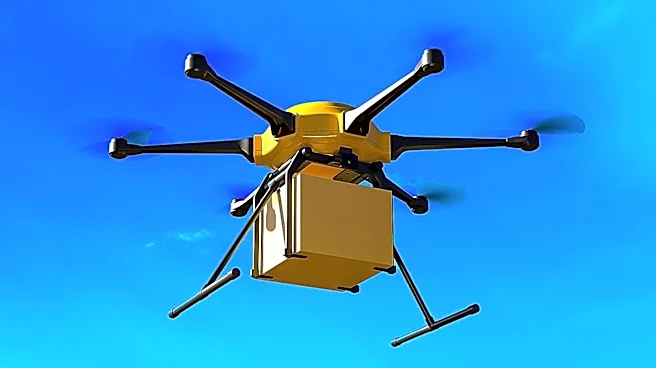
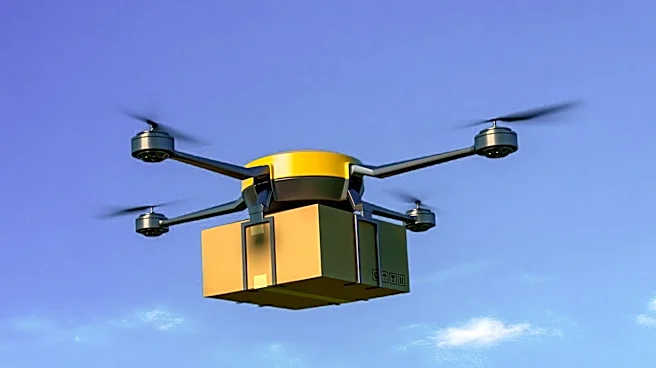
Amazon's Prime Air drone delivery service is actively recruiting Flight Monitors in Tolleson, Arizona, to support its expanding operations. This role is crucial for real-time monitoring of drone flights, ensuring operational compliance, and maintaining
high standards of safety and efficiency. Flight Monitors will be responsible for identifying and responding to deviations from planned flight paths, ensuring adherence to regulatory requirements and company safety policies, and coordinating with relevant teams to mitigate risks. The position requires a high school diploma or equivalent, an FAA Part 107 Remote Pilot Certificate, and the ability to travel up to 25% of the time. Candidates should possess strong analytical, problem-solving, and decision-making skills, along with excellent communication abilities to work effectively in a fast-paced environment. This recruitment drive signals Amazon's continued investment in scaling its drone delivery capabilities, which aims to deliver packages safely and efficiently in under an hour.
Why It's Important?
The expansion of Amazon Prime Air's drone delivery service, evidenced by the recruitment of Flight Monitors, signifies a critical step in the evolution of logistics and last-mile delivery in the U.S. This initiative has the potential to reshape consumer expectations for delivery speed and convenience, putting pressure on traditional delivery services to innovate. For the e-commerce industry, faster delivery times could lead to increased customer satisfaction and loyalty, potentially boosting sales and market share for companies that successfully implement such technologies. The creation of specialized roles like Flight Monitor also highlights the emergence of new job categories within the aviation and technology sectors, requiring a blend of technical skills and regulatory knowledge. However, the widespread adoption of drone delivery also raises questions about airspace management, public safety, and regulatory frameworks, which will need to be addressed as the service scales. The success of Prime Air could set a precedent for other companies looking to leverage drone technology for commercial purposes.
What's Next?
Amazon plans to significantly expand its Prime Air drone delivery service, with ambitions to reach nearly 500 U.S. cities by the end of 2026. This aggressive expansion will necessitate a substantial increase in operational staff, including Flight Monitors, and further investment in drone technology and infrastructure. The company will likely continue to work closely with regulatory bodies like the FAA to ensure compliance and address any safety concerns that arise from increased drone traffic. As the service grows, Amazon may also explore partnerships or collaborations to optimize its delivery network and overcome logistical challenges. The success of this expansion will depend on Amazon's ability to maintain a high level of safety, efficiency, and customer satisfaction, while also navigating the evolving regulatory landscape for drone operations. Future developments may include the introduction of new drone models, advanced navigation systems, and more sophisticated monitoring technologies to support the growing scale of operations.
Beyond the Headlines
The widespread implementation of drone delivery services like Amazon Prime Air could have profound long-term implications beyond just faster package delivery. Environmentally, a shift from traditional vehicle-based delivery to electric drones could reduce carbon emissions and traffic congestion in urban areas, contributing to sustainability goals. However, it also introduces new challenges related to noise pollution and visual impact in residential neighborhoods. Legally and ethically, the increased presence of drones in public airspace will necessitate robust privacy regulations and clear guidelines for data collection and surveillance. The integration of autonomous drone systems into daily life also raises questions about job displacement in traditional delivery sectors and the need for workforce retraining. Furthermore, the development of sophisticated drone technology could have dual-use applications, potentially influencing national security and defense strategies. The societal acceptance of drones as a common delivery method will depend on addressing these multifaceted concerns and ensuring that the benefits outweigh the potential drawbacks.