

What's Happening?
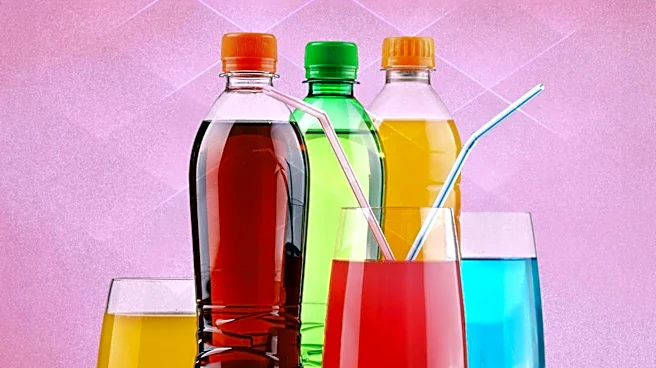
The global soft drink market is undergoing a significant transformation, moving beyond traditional carbonated beverages to embrace 'mindful drinking' trends and premium non-alcoholic options. This shift is driven by evolving consumer preferences for healthier
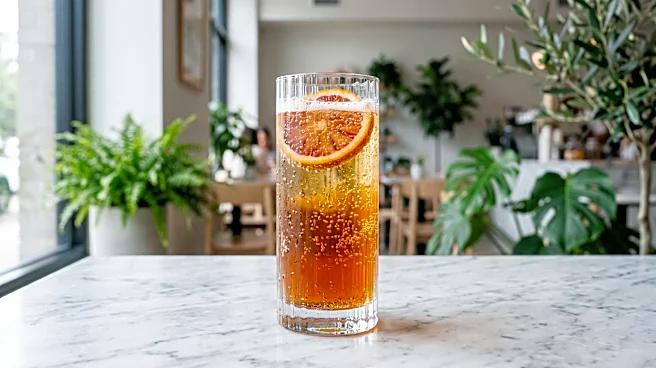
choices, unique experiences, and lifestyle integration. The market is seeing a rise in demand for products like premium tonics with natural extracts and innovative offerings such as Coffee Tonic, which combines espresso with tonic water. This trend indicates that non-alcoholic drinks are no longer merely alternatives for non-drinkers or designated drivers but are becoming standalone beverage categories and unexpected pairings. The market's growth is fueled by ingredient research, health awareness, and a cultural factor where carbonated drinks are gaining prominence as distinct trends.
Why It's Important?
This evolution in the soft drink market holds significant implications for the U.S. beverage industry and consumer culture. The increasing demand for mindful drinking options reflects a broader societal shift towards health and wellness, impacting product development, marketing strategies, and retail offerings. Companies that adapt to this trend by offering innovative, high-quality non-alcoholic beverages stand to gain a competitive edge. This also creates opportunities for smaller, artisanal brands specializing in unique flavor profiles and natural ingredients. Conversely, traditional soft drink manufacturers may need to diversify their portfolios to remain relevant. The emphasis on 'experience' over mere thirst-quenching suggests a more discerning consumer base willing to pay a premium for sophisticated non-alcoholic options, influencing pricing strategies and market segmentation.
What's Next?
The trajectory of the global soft drink market suggests continued innovation in non-alcoholic beverages. Expect to see more diverse and sophisticated offerings, including functional soft drinks with added health benefits, exotic flavor combinations, and premium ingredients. The 'mindful drinking' movement is likely to expand, leading to a wider acceptance and integration of non-alcoholic options in social settings and culinary experiences. Research and development will focus on natural extracts, sustainable sourcing, and unique flavor profiles to cater to an increasingly health-conscious and adventurous consumer base. This trend could also influence the hospitality sector, with bars and restaurants expanding their non-alcoholic menus to meet evolving customer demands.
Beyond the Headlines
Beyond the immediate market trends, the rise of mindful drinking and premium non-alcoholic beverages reflects a deeper cultural re-evaluation of alcohol consumption and social norms. It signifies a move towards greater personal agency in beverage choices, where individuals prioritize well-being and conscious consumption without sacrificing social enjoyment. This shift could have long-term impacts on public health, potentially reducing alcohol-related issues and promoting healthier lifestyles. It also highlights the power of consumer demand in shaping industry practices, pushing companies to innovate and align with evolving societal values. The 'bubble revolution' is not just about drinks; it's about a changing relationship with what we consume and how it aligns with our identity and values.