




What's Happening?
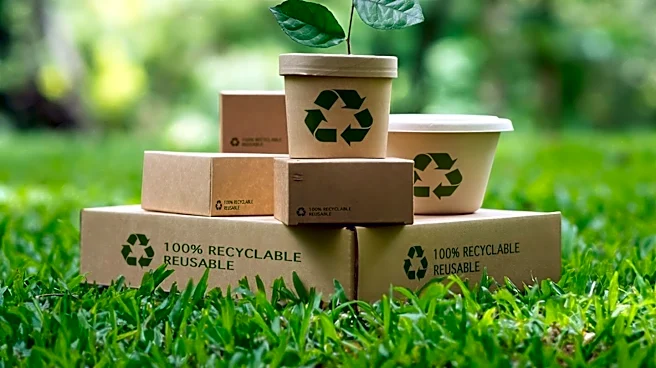
UPM, a company specializing in packaging and labeling materials, emphasizes the critical need for clear, technology-neutral regulation, sufficient recycling infrastructure, and predictable market demand to scale renewable and recyclable packaging solutions.
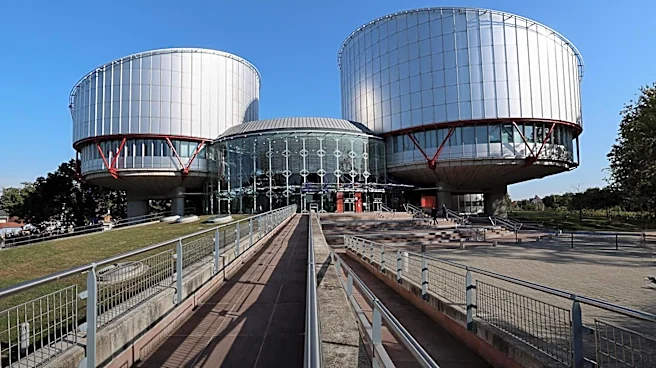
Jukka-Pekka Rantakokko, Director, Public Affairs at UPM, highlights that while innovations in sustainable packaging exist, the challenge lies in achieving industrial scale. He points to the EU's Packaging and Packaging Waste Regulation (PPWR) as setting a clear direction for recyclable packaging and reducing reliance on virgin fossil resources. UPM's objective is to reduce dependence on fossil carbon through renewable and recyclable solutions that integrate with existing value chains and recycling systems. An example of their practical application is the collaboration with EvoPak for Walkers Chocolates, replacing plastic wrappers with recyclable paper packaging.
Why It's Important?
This perspective from UPM underscores a significant challenge for the U.S. packaging industry: the gap between technological innovation in sustainable materials and their widespread adoption. Without clear regulatory frameworks and consistent market demand, U.S. companies may struggle to invest in and scale renewable packaging solutions. This could put them at a disadvantage compared to European counterparts operating under more defined regulations. The call for 'technology-neutral regulation' suggests a need for policies that support various sustainable material innovations without favoring one over another, fostering a competitive and innovative environment. For U.S. consumers, this means that the availability of truly sustainable packaging options could be delayed without a concerted effort from policymakers and industry stakeholders to create the necessary conditions for scale.
What's Next?
For the U.S. packaging industry, the insights from UPM suggest a need for increased collaboration between businesses, policymakers, and recyclers to establish robust regulatory frameworks and recycling infrastructure. This could involve developing clear standards for recyclability and renewable content, similar to the EU's PPWR, to provide market certainty. Companies may also need to invest in consumer education to drive demand for sustainable packaging, creating the 'predictable market demand' that UPM identifies as crucial. The focus will likely be on transitioning away from fossil-based materials and improving the circularity of packaging systems, potentially leading to new partnerships and investments in green technologies.
Beyond the Headlines
The discussion around scaling renewable packaging solutions touches upon broader themes of economic competitiveness and resource independence. By reducing reliance on fossil carbon, the U.S. could enhance its energy security and create new economic opportunities in the bio-based materials sector. However, achieving this requires overcoming systemic challenges, including the fragmentation of recycling systems and the need for significant capital investment in new manufacturing processes. The ethical dimension involves ensuring that 'renewable' solutions are genuinely sustainable throughout their lifecycle, avoiding unintended environmental consequences. This shift represents a fundamental change in industrial practices, moving towards a more resilient and environmentally responsible economy.