







What's Happening?
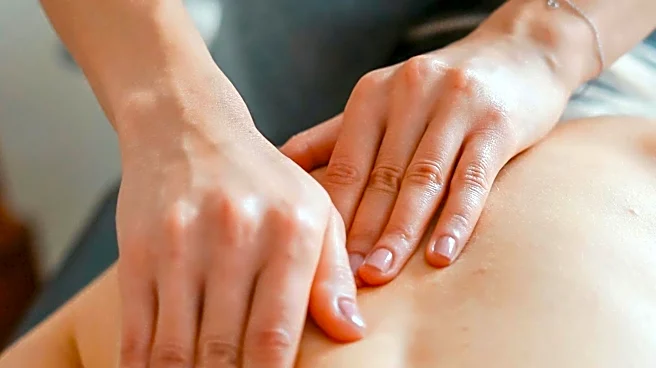
Manual lymphatic drainage (MLD) is a gentle massage technique designed to stimulate the lymphatic system, reducing fluid buildup and inflammation. This method is particularly beneficial for individuals with lipedema, a condition characterized by abnormal
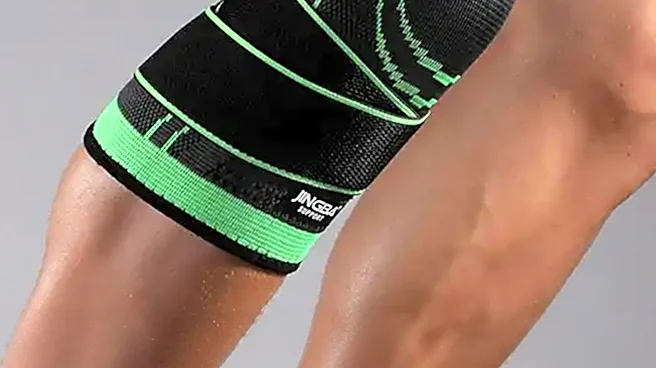
fat deposits and fluid retention, leading to heaviness and tenderness in the limbs. MLD involves light, rhythmic massage strokes that encourage the movement of lymph fluid, helping to alleviate pain, improve mobility, and soften fibrotic tissue. It is often used in conjunction with compression garments and exercise to enhance its effectiveness. The technique is accessible for self-application at home, using tools like gua sha to mimic professional strokes, promoting circulation and reducing puffiness.
Why It's Important?
The significance of MLD lies in its ability to provide non-invasive relief for lipedema, a condition that affects many women and can significantly impact quality of life. By reducing swelling and pain, MLD helps improve mobility and comfort, allowing individuals to engage more fully in daily activities. The technique supports the body's natural detoxification processes, which is crucial for managing chronic conditions like lipedema. As healthcare costs rise, MLD offers an affordable and accessible option for symptom management, potentially reducing the need for more invasive treatments. Its integration into a broader care routine, including compression and exercise, underscores its role in comprehensive lipedema management.
What's Next?
For those managing lipedema, incorporating MLD into daily routines can lead to sustained symptom relief. Healthcare providers may increasingly recommend MLD as part of a conservative management plan, alongside other therapies like compression and low-impact exercise. As awareness of lipedema grows, more resources and tools may become available to support individuals in performing MLD at home. Continued research into the efficacy of MLD could further validate its use and encourage broader adoption in clinical settings. Patients are encouraged to consult with healthcare professionals to tailor MLD techniques to their specific needs and ensure safe practice.