







What's Happening?
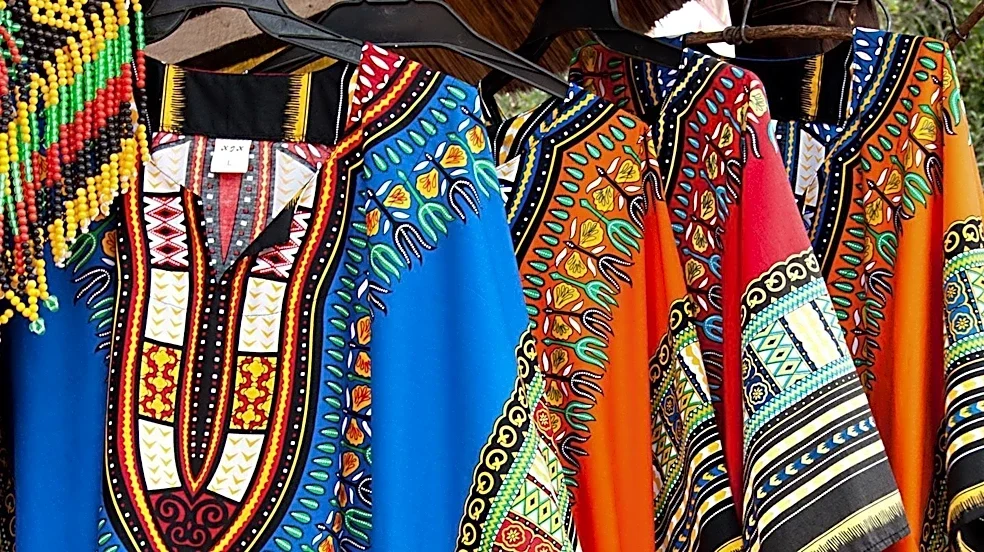
The African Continental Free Trade Area (AfCFTA) is implementing new trade rules designed to integrate Africa's fragmented textile and apparel markets. The continent, a significant producer and exporter of cotton, particularly in West and Central Africa,
currently exports much of its raw cotton and imports a large share of processed textiles. Only about 18% of Africa's total trade is intra-African, with trade under AfCFTA commencing on January 1, 2021. The agreement seeks to boost this by eliminating trade barriers and fostering regional value chains. A key component of this initiative is the establishment of Rules of Origin (RoO), which define what constitutes an 'African product' and determines eligibility for preferential tariffs within the free trade area. These rules are crucial for ensuring that value-added processes occur within Africa, transforming the continent from an exporter of raw materials to a producer of finished goods.
Why It's Important?
The AfCFTA's focus on textiles and apparel is vital for Africa's industrialization and economic growth. By encouraging regional sourcing and manufacturing, the agreement aims to retain more economic value within the continent, rather than exporting raw materials and importing finished products. This shift could create numerous jobs, attract investment, and foster the development of new technologies and expertise across various African nations. The establishment of clear Rules of Origin is particularly significant as it prevents goods from non-member countries from exploiting preferential tariffs, thereby protecting and nurturing nascent African industries. The success of this framework could lead to a more robust and self-sufficient African textile industry, reducing dependency on external markets and preferential trade regimes like AGOA, which are temporary by nature.
What's Next?
The success of AfCFTA's textile ambitions hinges on the evolution of regional cumulation from a policy concept into an operational industrial reality. This means ensuring that value added in multiple African countries can collectively count towards origin requirements, facilitating the movement of goods across borders. Efforts will focus on improving transport corridors, logistics networks, harmonized customs procedures, and digital trade systems. Addressing the challenge of second-hand clothing imports will also be crucial, with a strategic aim to make African-produced garments competitive in price, quality, variety, and distribution. The ongoing implementation will test whether the framework can effectively translate into commercial reality for African manufacturers, enabling them to overcome operational friction and fully leverage the continental market.
Beyond the Headlines
The AfCFTA's approach to the textile industry represents a broader strategic shift towards regional economic integration and self-reliance. Beyond the immediate economic benefits, this initiative has profound implications for cultural identity and sustainable development. By promoting 'Made in Africa' products, it can foster a stronger sense of continental pride and identity, while also encouraging environmentally sustainable practices within the fashion industry, such as upcycling and waste reduction. The emphasis on regional value chains also highlights a move away from a purely buyer-driven global value chain model, empowering African firms to take greater control over their production and distribution. This long-term vision aims to build an industrial architecture that supports sustained socio-economic growth and development across Africa.