

What's Happening?
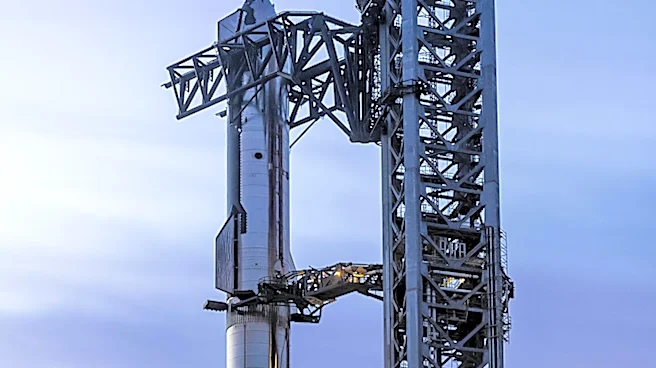
SpaceX, founded by Elon Musk, has become a pivotal player in the space industry, largely due to its Starlink satellite network. Initially, SpaceX faced skepticism from NASA and the industry due to Musk's unconventional methods and early failures. However,
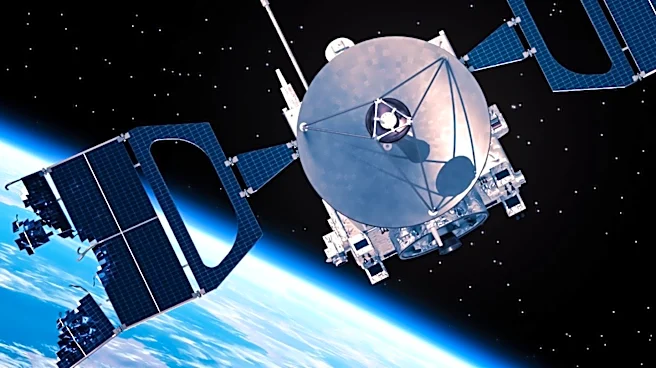
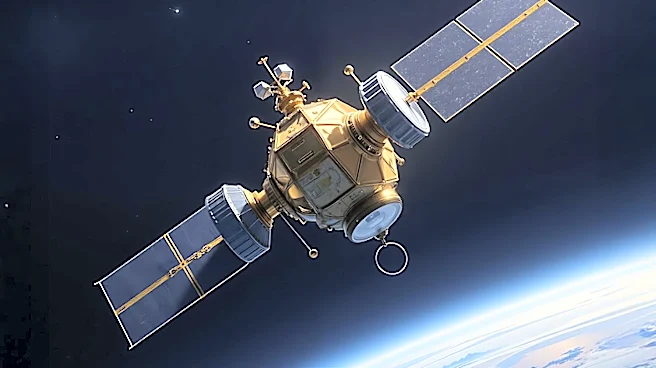
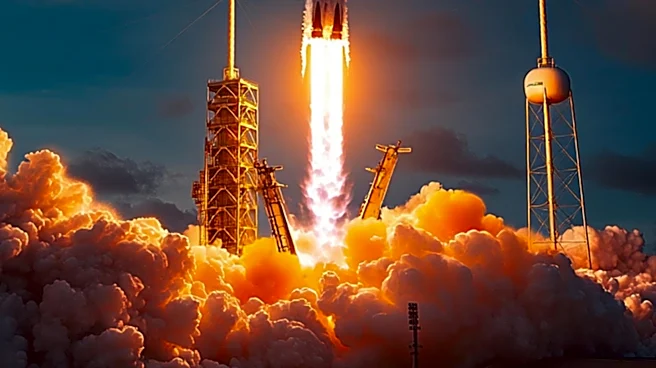
the success of the Falcon 9 rocket, which reduced launch costs through reusability, established SpaceX as a leader. Starlink, a network of small satellites providing global internet, has further cemented SpaceX's influence. Despite its achievements, SpaceX's future plans, including Mars colonization and space-based data centers, remain ambitious and reliant on technological advancements.
Why It's Important?
SpaceX's rise underscores the transformative impact of private companies in the space sector, traditionally dominated by government agencies. Starlink's success in providing global internet access highlights the potential for satellite networks to bridge connectivity gaps worldwide. This development is significant for industries reliant on reliable internet, such as telecommunications and remote operations. Additionally, SpaceX's achievements could inspire further private investment in space exploration and technology, potentially accelerating advancements in space travel and infrastructure. However, the company's ambitious goals also pose risks, as they require substantial investment and technological breakthroughs.
What's Next?
As SpaceX continues to expand its Starlink network, it faces the challenge of maintaining its technological edge and managing the financial demands of its ambitious projects. The company's plans for Mars colonization and space-based data centers will require significant resources and innovation. Regulatory approvals and partnerships with government agencies will be crucial for these initiatives. Additionally, SpaceX's success could prompt increased competition in the space industry, driving further innovation and potentially reshaping the market landscape. The company's ability to achieve its goals will likely influence the future direction of space exploration and technology.