

What's Happening?
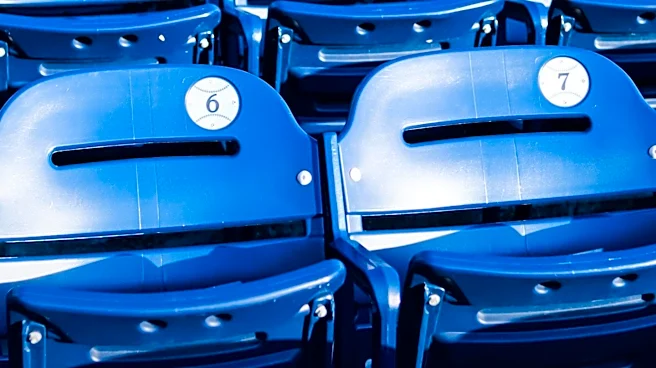
The Washington Commanders, in collaboration with global design firm HKS, have released the initial interior renderings and animations for the seating bowl of their prospective new stadium. The design aims to create an immersive and intense fan experience,
drawing inspiration from the iconic RFK Stadium to recreate a loud, intimate atmosphere. Key features include a continuous, unified seating bowl that rises in one sweep from field level to the upper deck, designed to ensure clean sightlines and a shared viewing experience for all fans. The architects have focused on increasing the capacity of the lower bowl and improving seating angles to bring spectators closer to the action. Furthermore, the stadium's design incorporates innovative technology and acoustics specifically engineered to maximize crowd energy, intending to make it one of the loudest environments in sports. A dedicated section, referred to as 'the wall,' will offer affordable seating for passionate fans, aiming to cultivate a formidable home-field advantage.
Why It's Important?
The unveiling of the new stadium seating designs is a significant development for the Washington Commanders and their fan base, signaling a clear vision for the future of the franchise's home. The emphasis on recreating the 'loud, intense, and intimate atmosphere' of RFK Stadium speaks to a desire to reconnect with the team's championship era and foster a strong home-field advantage, which can directly impact player performance and team morale. By prioritizing fan experience through improved sightlines, increased lower bowl capacity, and enhanced acoustics, the Commanders aim to boost attendance and engagement. The inclusion of an affordable 'wall' section also highlights an effort to make games accessible to a broader segment of their loyal supporters, potentially strengthening community ties and ensuring a vibrant game-day environment. This investment in a state-of-the-art facility could attract new fans and retain existing ones, contributing to the team's long-term financial stability and competitive edge in the NFL.
What's Next?
The release of these renderings marks a crucial step in the Washington Commanders' new stadium project. The next phases will likely involve further detailed architectural planning, securing funding, and navigating the complex processes of site selection and regulatory approvals. The team will need to continue engaging with local communities and government bodies to finalize plans and address any potential concerns. Public reaction to these initial designs will also be closely monitored, as fan enthusiasm and support are vital for the project's momentum. As the stadium development progresses, there will be ongoing opportunities for the team to refine the design based on feedback and evolving technological advancements. The ultimate goal is to break ground and construct a facility that not only meets the team's operational needs but also serves as a modern landmark and a source of pride for the Washington D.C. metropolitan area.
Beyond the Headlines
Beyond the immediate impact on game-day experience, the new stadium project carries broader implications for the Washington Commanders franchise and the surrounding region. A modern, fan-centric stadium can significantly enhance the team's brand image and marketability, potentially leading to increased revenue streams from sponsorships, concessions, and events beyond football. The design's focus on acoustics and an 'immersive' experience reflects a growing trend in sports venue development to create unique, memorable environments that compete with at-home viewing options. Ethically, the inclusion of affordable seating in 'the wall' section demonstrates a commitment to inclusivity, ensuring that the fan base remains diverse and engaged. This project could also stimulate local economic development through job creation during construction and ongoing operations, contributing to the revitalization of its chosen location. The successful realization of this vision could solidify the Commanders' presence in the U.S. sports landscape for decades to come.