




What's Happening?
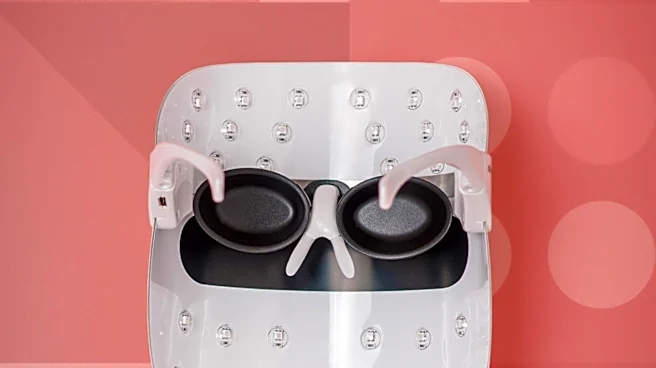
Doctors are highlighting common mistakes and providing guidance for effective use of LED face masks, which have gained popularity for skincare benefits such as reducing wrinkles, stimulating collagen, and clearing acne. Board-certified dermatologist Dr.
Roya Javid and plastic surgeons Dr. Anthony Admire and Dr. David Lieberman emphasize that these devices are not a quick fix and require consistent, long-term use to show results. They advise against purchasing based solely on social media hype, urging consumers to examine specifications like power output, wavelengths, and clinical data. Recommended wavelengths include red light in the 630 to 660-nanometer range and near-infrared light between 810 to 850 nm for general skin improvement, with blue light around 415 nm suggested for acne, ideally combined with red light to reduce inflammation. Additionally, proper eye protection is crucial, and LED masks should be seen as an add-on to a skincare routine, not a replacement for professional treatments or essential products like sunscreen.
Why It's Important?
The increasing popularity of at-home LED masks in the U.S. skincare market underscores a growing consumer interest in accessible beauty technology. However, the medical community's warnings about unrealistic expectations and improper usage are critical for public health and consumer protection. Misinformation or a lack of understanding can lead to ineffective results, financial waste, and potential harm if users neglect eye protection or rely on these devices as a sole solution for skin concerns. This guidance helps consumers make informed decisions, ensuring they invest in products that are both safe and effective. For the beauty and wellness industry, these recommendations highlight the importance of transparent product information, clinical validation, and responsible marketing to maintain consumer trust and avoid regulatory scrutiny. Ultimately, promoting proper usage ensures that individuals can genuinely benefit from photobiomodulation therapy while mitigating risks.
What's Next?
Consumers are advised to prioritize LED masks that disclose key specifications such as wavelength, irradiance, and clinical data, and are FDA-cleared from reputable brands. Manufacturers may face increased pressure to provide more transparent information and adhere to higher standards of clinical evidence to meet consumer and medical expectations. Educational campaigns from dermatologists and plastic surgeons are likely to continue, emphasizing the importance of consistent use, proper eye protection, and integrating LED masks as a supplementary tool within a comprehensive skincare regimen. The market may see a shift towards products with clearer scientific backing and user instructions, potentially influencing product development and marketing strategies to align with medical recommendations. This could also lead to a greater distinction between high-quality, medically-supported devices and those that primarily rely on marketing hype.
Beyond the Headlines
The discourse around LED masks touches upon broader themes of consumer trust in health and beauty technology, the influence of social media on purchasing decisions, and the challenge of distinguishing scientifically-backed products from marketing-driven trends. The emphasis on consistent use and realistic expectations reflects a common issue across many wellness products, where immediate gratification is often sought over sustained effort. Ethically, manufacturers have a responsibility to provide accurate information and ensure product safety, especially for devices that interact directly with the body. Culturally, the desire for at-home solutions for aesthetic concerns highlights a shift towards self-care and personalized beauty routines, driven by convenience and accessibility. This trend also raises questions about the democratization of advanced therapies and the role of medical professionals in guiding consumers through a rapidly evolving technological landscape.