







What's Happening?
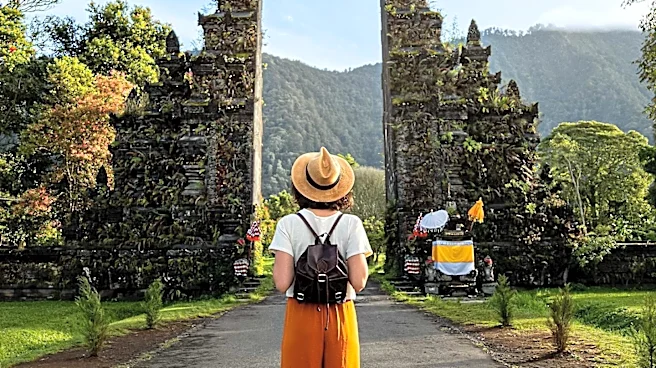
Bali, Indonesia, and the Maldives are highlighted as leading destinations for active senior wellness retreats, offering a blend of adventure and tranquility. Bali provides retreats that include sunrise treks up Mount Batur, yoga classes overlooking rice
paddies, cycling tours, water aerobics, and art therapy. These programs often focus on holistic healing practices in cultural centers like Ubud, combining physical activities such as Pilates, tai chi, and guided nature walks with relaxation techniques like meditation and breathwork. The Maldives, particularly at locations like JA Manafaru, offers unique settings for seniors seeking active retreats, with activities such as snorkeling, scuba diving, kayaking, and beach volleyball, alongside yoga sessions with ocean views. These retreats emphasize balancing physical activity with relaxation, providing luxurious accommodations and health-conscious dining options.
Why It's Important?
The increasing popularity of active wellness retreats for seniors, particularly those over 55, signifies a significant demographic and lifestyle shift in the U.S. and globally. This trend reflects a generation that is redefining aging, prioritizing health, vitality, and adventurous experiences. For the U.S. travel and wellness industries, this means a growing market segment seeking specialized programs that cater to their physical capabilities and interests, moving beyond traditional, more sedentary senior travel options. The focus on holistic health, combining physical activity with mental and spiritual well-being, can influence healthcare and retirement planning, encouraging proactive approaches to healthy aging. Economically, this creates opportunities for travel agencies, wellness providers, and hospitality businesses to develop and market tailored packages, potentially boosting tourism in destinations that can accommodate these specific needs. The emphasis on community and shared experiences within these retreats also addresses social aspects of aging, combating isolation and fostering new connections.
What's Next?
The trend of active senior wellness retreats is expected to continue expanding, with more destinations and specialized programs emerging to meet the diverse needs of this demographic. Future developments may include an increased integration of medical and preventative health screenings into retreat packages, offering a more comprehensive approach to senior wellness. There could also be a rise in intergenerational retreats, allowing seniors to share their wellness journeys with family members. Technology will likely play a role in personalizing these experiences further, from wearable fitness trackers that monitor progress to virtual reality tools that enhance mindfulness practices. As the senior population grows and remains active, there will be a continuous demand for innovative and accessible wellness travel options, prompting the industry to adapt with more varied activities, flexible itineraries, and inclusive environments. The focus on sustainable and culturally immersive experiences may also become more prominent, appealing to seniors who seek meaningful and responsible travel.
Beyond the Headlines
The rise of active senior wellness retreats reflects a broader societal re-evaluation of aging, moving away from a narrative of decline towards one of continued growth, activity, and self-fulfillment. This shift has profound implications for how society views and supports its older population, encouraging policies and services that promote active and healthy lifestyles. Ethically, it raises questions about equitable access to such enriching experiences, as many luxury retreats may be financially out of reach for a significant portion of the senior population. Culturally, these retreats contribute to a global exchange of wellness practices, integrating elements of Eastern philosophies like yoga and meditation into Western approaches to health. The emphasis on adventure and personal challenge for seniors also challenges ageist stereotypes, promoting a more dynamic and empowered image of older adults. This movement underscores the importance of lifelong learning and adaptation, suggesting that the pursuit of well-being is a continuous journey, regardless of age.