







What's Happening?
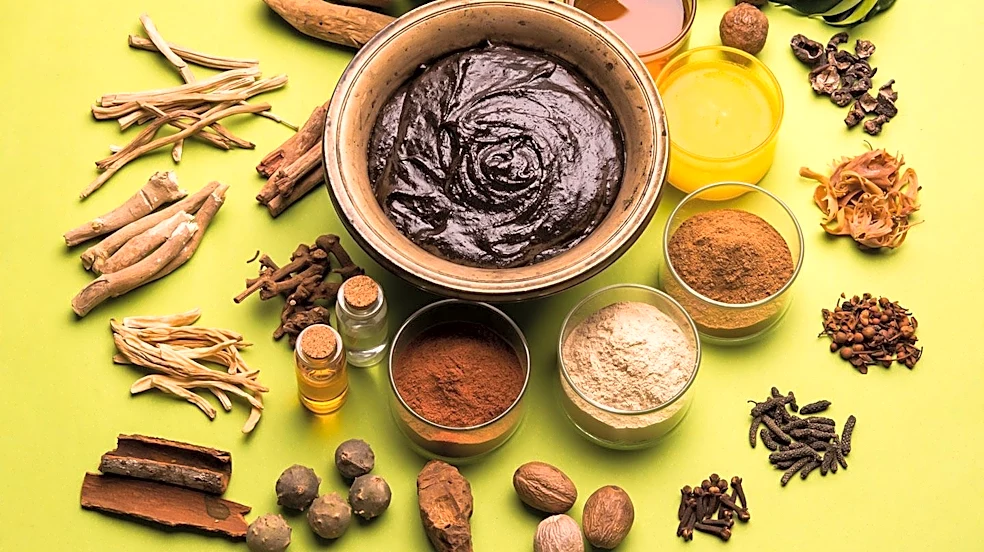
Ayurveda, an ancient science over 5,000 years old, provides a holistic approach to wellness by focusing on an individual's daily rhythm, digestion, sleep, stress, and temperament. Unlike conventional medicine, which excels in emergencies and diagnostics,
Ayurveda aims to understand the root causes of health issues by treating the mind and body as a single interconnected system. It utilizes herbs, food, breathing practices, and mindful routines to restore balance and promote long-term health. This personalized approach considers an individual's natural constitution (Prakriti) and current imbalances (Vikriti) to create tailored wellness plans. Many individuals, including celebrities, are increasingly incorporating Ayurvedic principles into their daily lives, often alongside yoga practices, to enhance overall well-being and resilience. The philosophy emphasizes prevention, with a focus on diet, routine, and seasonal care, and views stress as a significant factor impacting physical health, manifesting in symptoms like tight shoulders, bloating, and restless nights.
Why It's Important?
The growing interest in Ayurveda in the U.S. signifies a broader shift in healthcare perspectives, moving towards integrative and personalized wellness solutions. This approach offers an alternative or complementary path for individuals seeking to address chronic conditions or improve overall health beyond symptomatic treatment. For the healthcare industry, this trend could lead to increased demand for Ayurvedic practitioners, products, and services, potentially fostering new market segments and collaborations between conventional and alternative medicine. Consumers stand to gain from a more comprehensive understanding of their health, empowering them to make lifestyle changes that address root causes rather than just symptoms. The emphasis on mind-body connection and stress management is particularly relevant in today's high-pressure society, offering tools for improved mental and physical resilience. However, it also highlights the importance of informed choices and the need for clear communication between patients and their healthcare providers when integrating Ayurvedic practices with conventional medical treatments.
What's Next?
As awareness of Ayurveda grows, there is likely to be a continued integration of its principles into mainstream wellness and healthcare discussions. This could manifest in several ways: an increase in certified Ayurvedic practitioners and wellness centers, a wider availability of Ayurvedic herbs and products, and potentially more research into the efficacy of Ayurvedic treatments. Educational initiatives may also expand to help individuals understand their unique 'dosha' or constitution, enabling them to make more informed lifestyle and dietary choices. Furthermore, the emphasis on personalized care and root cause analysis could influence how conventional medicine approaches chronic conditions, fostering a more collaborative and holistic patient care model. Individuals interested in exploring Ayurveda are encouraged to seek guidance from qualified practitioners and to discuss any new wellness plans with their primary care physicians to ensure safe and effective integration with existing medical treatments.
Beyond the Headlines
The resurgence of interest in Ayurveda reflects a deeper societal yearning for holistic well-being and a more personalized approach to health that extends beyond the conventional medical model. This trend challenges the traditional Western view of health as merely the absence of disease, instead promoting a proactive and preventative lifestyle. Ethically, it raises questions about the responsible integration of ancient practices with modern medicine, emphasizing the need for evidence-based understanding and clear communication to avoid potential conflicts or misinformation. Culturally, it signifies a growing openness to diverse healing traditions and a recognition of the interconnectedness of mind, body, and spirit. The long-term implications could include a re-evaluation of healthcare education to include more integrative approaches, a greater focus on lifestyle interventions in public health initiatives, and a shift in consumer behavior towards more natural and sustainable wellness practices. This movement underscores a broader philosophical shift towards self-empowerment in health management.