


What's Happening?
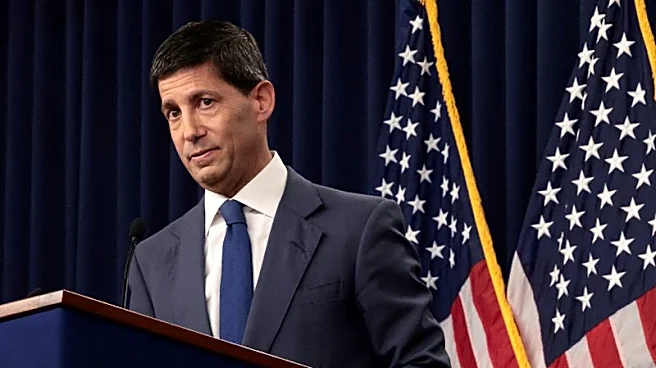
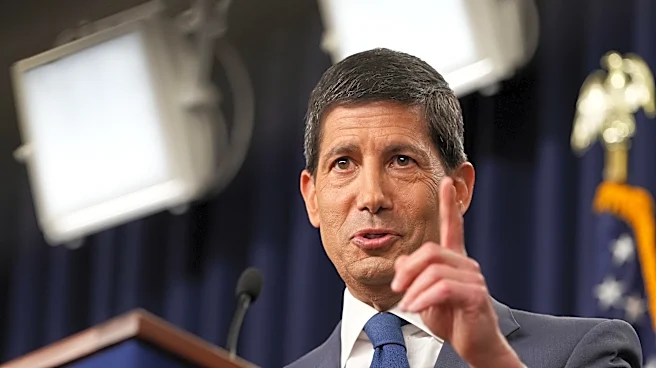
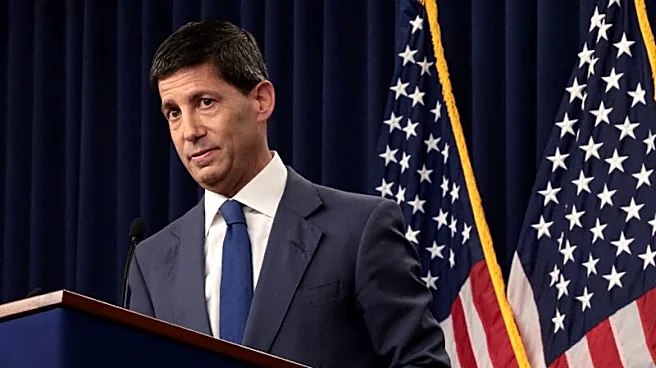
Last Friday, Federal Reserve Chair Kevin Warsh delivered a speech at Jackson Hole, openly discussing his views on the U.S. economy. His message was characterized as mildly hawkish, emphasizing concerns about inflation risks. Following his remarks, market-implied
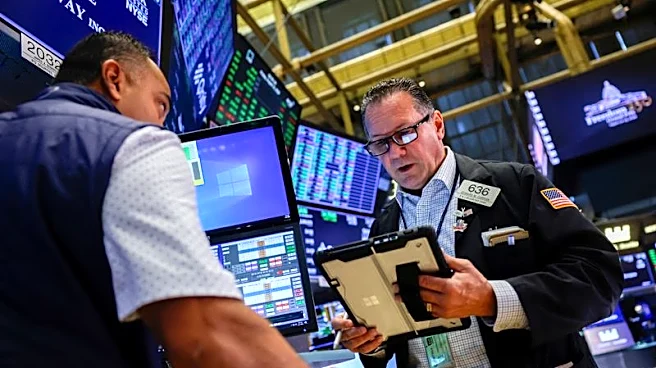
odds for a Federal Reserve rate hike in September significantly increased, surging from 35% to 60%. This shift in market expectations indicates that investors are now pricing in a much higher probability of the Fed tightening monetary policy in the near future. The speech contributed to mixed stock performance, a rise in sovereign yields, and a strengthening of the U.S. dollar against other major currencies.
Why It's Important?
The increased likelihood of a September rate hike by the Federal Reserve has significant implications for the U.S. economy and financial markets. A rate hike typically signals the Fed's confidence in economic growth but also its concern about rising inflation. For businesses, higher interest rates can increase borrowing costs, potentially impacting investment and expansion plans. Consumers may face higher rates on loans, such as mortgages and credit cards. The strengthening U.S. dollar could make American exports more expensive, affecting U.S. companies that rely on international trade. Investors are closely watching these developments, as changes in monetary policy can lead to shifts in asset allocation and market volatility. The Fed's actions are crucial in managing inflation while supporting sustainable economic growth.
What's Next?
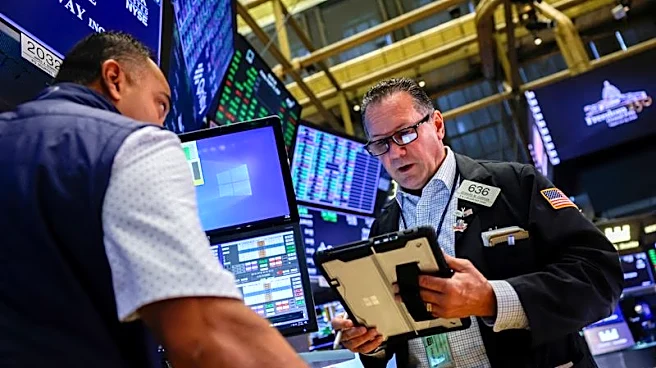
The financial markets will be closely monitoring upcoming economic data releases in the U.S. this week. Key reports include the August ISM surveys, scheduled for Tuesday and Thursday, which provide insights into manufacturing and services sector activity. The highly anticipated employment report, set for release on Friday, will offer crucial information on the labor market's health. These data points will be instrumental in shaping further market expectations regarding the Federal Reserve's next policy decisions. Investors will be looking for any signs that could either reinforce or challenge the current elevated odds of a September rate hike, as the Fed's decisions are heavily data-dependent.
Beyond the Headlines
The Federal Reserve's communication strategy, particularly through speeches like the one delivered by Chair Warsh at Jackson Hole, plays a critical role in guiding market expectations and maintaining financial stability. A 'hawkish' stance, signaling a readiness to raise interest rates, can be a preemptive measure against inflation, but it also carries the risk of slowing economic growth. The market's immediate reaction, with a significant jump in rate hike probabilities, underscores the sensitivity of financial markets to central bank rhetoric. This dynamic highlights the delicate balance the Fed must strike between controlling inflation and fostering economic expansion, and how even subtle shifts in language can have profound effects on global financial flows and investment decisions.