







What's Happening?
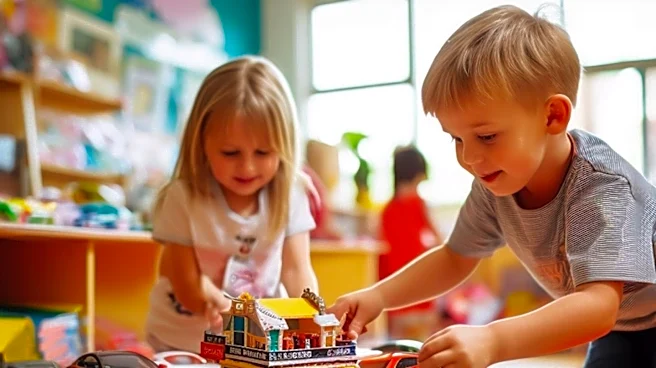
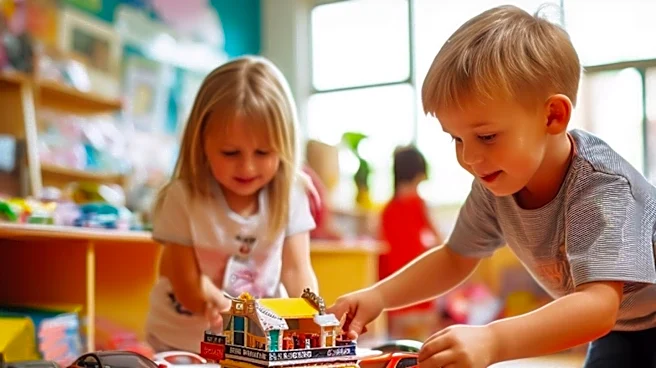
Child care providers are implementing various strategies, including the use of puppets and playful activities, to help children develop self-control. Self-control is defined as the developing capacity to manage attention, emotions, impulses, and behavior
to achieve a goal. This skill is crucial for participation in group learning, conflict resolution, and strengthening peer relationships. Providers are encouraged to teach a simple problem-solving sequence: stop, notice, choose, and try again. Puppets are specifically used to act out conflicts like grabbing or waiting for a turn, prompting children to suggest solutions and practice constructive language such as 'Can I have a turn?' or 'Stop—I don’t like that.' After real incidents, providers revisit the situation when the child is calm to rehearse alternative responses. Other methods include practicing breathing exercises, offering limited choices, and using feeling faces and stories to expand emotional vocabulary. The approach emphasizes responsive relationships, predictable routines, and scaffolded opportunities for children to pause and make choices.
Why It's Important?
The development of self-control in early childhood is a foundational skill that significantly impacts a child's future academic, social, and emotional well-being. By fostering self-control, child care providers contribute to creating more harmonious and productive learning environments, reducing the need for constant adult intervention. This approach helps children internalize regulatory mechanisms, moving from co-regulation with adults to independent self-regulation. The use of puppets and games makes learning engaging and less intimidating, allowing children to practice complex social skills in a low-stakes environment. This focus on building internal capabilities rather than enforcing external obedience promotes dignity and resilience, preparing children for the challenges of school and life. Furthermore, by teaching children to recognize impulses, pause, communicate needs, and respond constructively, providers are equipping them with essential tools for navigating social interactions and managing frustration effectively.
What's Next?
Child care providers will continue to integrate these playful and structured methods into their daily routines. The emphasis will remain on consistent practice, both during calm periods and after real-life incidents, to reinforce self-control skills. Directors and providers are also encouraged to individualize support, monitoring progress and adjusting strategies based on each child's temperament, developmental level, and cultural background. This includes documenting patterns of behavior to identify triggers and effective interventions, and sharing these observations with families to ensure consistency between home and care settings. Ongoing professional development in self-regulation and social-emotional learning will be crucial for providers to refine their techniques and adapt to the diverse needs of children. The goal is to continuously build a supportive environment where children can practice and master self-control, laying a strong foundation for their overall development.
Beyond the Headlines
The pedagogical approach of using puppets and play to teach self-control extends beyond mere behavioral management; it taps into the psychological and developmental needs of young children. Puppets, as non-threatening and engaging tools, allow children to project their emotions and explore solutions in a safe, imaginative space, fostering empathy and perspective-taking. This method acknowledges that self-control is not an innate trait but a learned skill that requires consistent, empathetic guidance. It also highlights the importance of a strengths-based approach, where mistakes are viewed as learning opportunities rather than failures. By focusing on the 'why' behind a child's impulsive actions, providers can address underlying needs and teach coping mechanisms, thereby promoting long-term emotional intelligence and resilience. This holistic approach to early childhood education underscores the critical role of caregivers in shaping not just academic readiness, but also the social and emotional fabric of future generations.