



What's Happening?
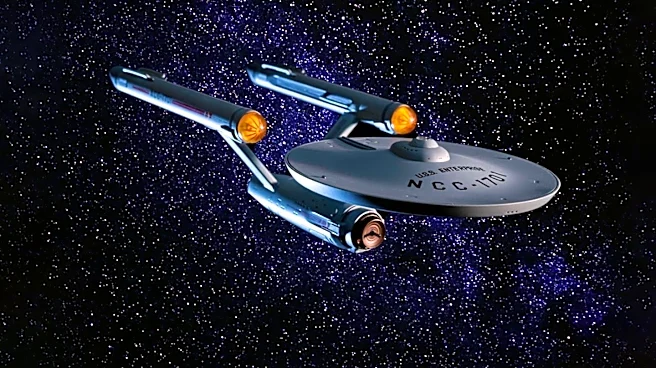
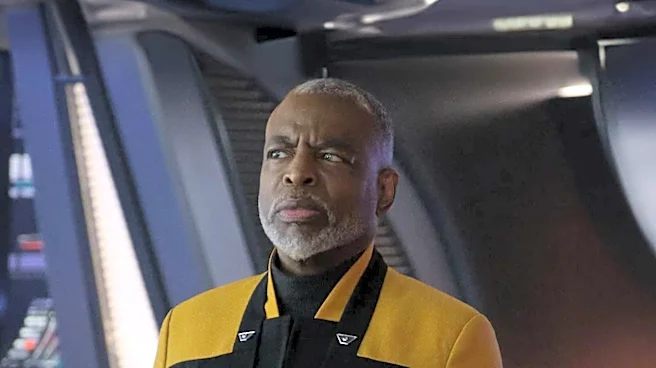
ComicBook.com has highlighted key episodes from each season of *Star Trek: The Next Generation* (TNG) that significantly impacted the series and the broader *Star Trek* franchise. These episodes are not necessarily considered the 'best' but are identified
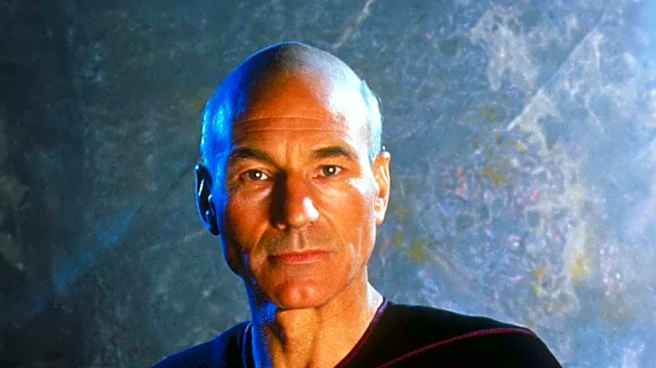
as game-changers that influenced future storylines, resolved lingering questions, or provided deeper insights into the sci-fi genre. For instance, 'Skin of Evil' from Season 1 was noted for the shocking death of a main character, Tasha Yar, establishing that no character was safe. Season 2's 'Measure of A Man' explored the sentience of Data, a classic sci-fi question about artificial intelligence. 'Yesterday’s Enterprise' in Season 3 introduced temporal paradoxes and offered a second chance for Tasha Yar. The Season 4 premiere, 'Best of Both Worlds (Part 2),' depicted Picard's assimilation by the Borg, an event with long-lasting repercussions across the *Star Trek* universe. 'Unification' in Season 5 delved into Vulcan-Romulan relations, featuring Ambassador Spock. Season 6's 'The Chase' provided an origin story for humanoid life in the galaxy, while the series finale, 'All Good Things…,' concluded TNG with a multi-timeline mystery involving Q, leaving possibilities open for future narratives.
Why It's Important?
These identified episodes are crucial for understanding the narrative evolution and thematic depth of *Star Trek: The Next Generation*, a series that significantly shaped the science fiction landscape. The choices made in these pivotal episodes had a 'butterfly effect,' influencing subsequent *Star Trek* series and films. For example, Picard's assimilation by the Borg in 'Best of Both Worlds' directly impacted the narrative of *Deep Space Nine* and the *First Contact* film, demonstrating how character-defining moments can ripple through an entire franchise. The exploration of artificial intelligence in 'Measure of A Man' continues to resonate in discussions about consciousness and rights for synthetic beings, reflecting broader societal questions. The series' willingness to tackle complex themes like mortality, identity, and political conflict through these episodes cemented its legacy as a thought-provoking and influential work of television, impacting how serialized science fiction narratives are constructed and perceived by audiences and creators alike.
What's Next?
While *Star Trek: The Next Generation* concluded decades ago, the impact of these defining episodes continues to influence new *Star Trek* productions. Modern series like *Discovery* and *Strange New Worlds* still draw upon the thematic foundations and narrative precedents set by TNG. For instance, the concept of character mortality, established in 'Skin of Evil,' is echoed in contemporary Trek shows. The ongoing exploration of artificial intelligence and sentience, central to 'Measure of A Man,' remains a recurring theme in current sci-fi. Furthermore, the intricate lore and character developments from these TNG episodes provide a rich tapestry for future spin-offs, reboots, and continuations, ensuring that the legacy of these pivotal moments endures. Fans and creators will likely continue to revisit these episodes for inspiration and to understand the foundational elements of the *Star Trek* universe.
Beyond the Headlines
The selection of these specific TNG episodes highlights a deeper understanding of how television series build enduring narratives and thematic resonance. Beyond individual plot points, these episodes collectively demonstrate TNG's role in pushing the boundaries of televised science fiction by engaging with complex philosophical, ethical, and social questions. The show's ability to address issues like artificial intelligence rights, the nature of conflict, and the search for universal origins through compelling storytelling set a high bar for the genre. The 'butterfly effect' described in the article extends beyond the *Star Trek* universe, influencing how other creators approach long-form storytelling and character development in science fiction. TNG's success in weaving intricate plots with profound themes established a model for intelligent, serialized television that continues to be emulated and admired, showcasing its lasting cultural and artistic significance.