






What's Happening?
Anthropic, an artificial intelligence company, is reportedly moving forward with its initial public offering (IPO) despite a recent sell-off in technology stocks. Discussions among potential investors suggest a valuation range of approximately $1.2 trillion
to $1.3 trillion, with some considering a valuation as low as $1.1 trillion. This marks a notable decrease from an earlier target of $1.5 trillion reported by the Financial Times. Bloomberg indicated that formal marketing for the IPO could commence soon, though no definitive dates or official statements from Anthropic have confirmed the timeline, valuation, or offering size. The company has declined to comment on these reports. The repricing of Anthropic's potential IPO is attributed to a post-election decline in technology shares, which has made listed AI companies cheaper and consequently impacts the valuation of private firms seeking to go public. This situation places Anthropic's potential public valuation in a similar bracket to OpenAI's recent private valuation of $1.25 trillion.
Why It's Important?
The potential IPO of Anthropic at a valuation exceeding $1 trillion signifies a major milestone for the artificial intelligence sector and the broader U.S. financial markets. A listing of this magnitude would absorb substantial capital, potentially leading to portfolio adjustments as funds reallocate investments, possibly by selling existing AI stocks to make room for Anthropic. This dynamic could influence the performance of other AI-related companies and the overall tech market. The valuation discussions also highlight investor sentiment towards AI companies in a volatile market, indicating a more cautious approach to pricing even high-growth tech firms. The comparison with OpenAI's valuation suggests a competitive landscape where investors are scrutinizing the unique value propositions of leading AI labs. Furthermore, the IPO's timing, amidst market volatility and before a full recovery, could set a precedent for how other large tech companies approach public offerings in challenging economic environments.
What's Next?
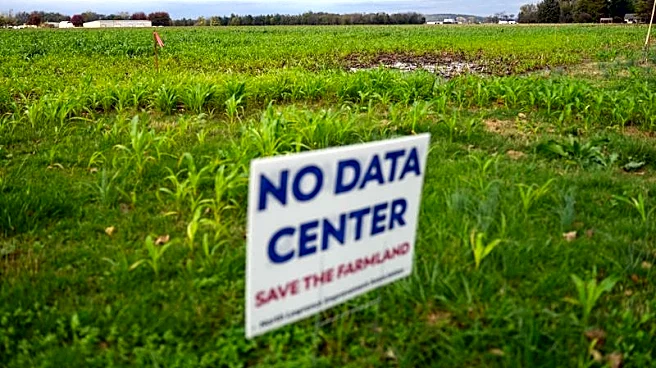
Formal marketing for Anthropic's IPO could begin in the coming weeks, which will provide a more concrete valuation range and offering details. The market's reaction to this marketing phase will be crucial in determining the final IPO price. Investors will closely monitor whether the initial price range aligns with the current discussions or if underwriters express greater confidence in demand. The performance of the Nasdaq and broader technology sector in the interim will also play a significant role; a further downturn could prompt Anthropic to delay its listing. The roadshow will likely feature comparisons between Anthropic and its competitors, particularly OpenAI, as investors seek clear reasons to favor one AI lab over another. Additionally, risk disclosures in the IPO filing are expected to prominently feature political risks related to data centers, given recent voter sentiment against such projects, which could influence investor perception of the company's growth trajectory.
Beyond the Headlines
The Anthropic IPO's journey reflects deeper trends in the technology investment landscape, particularly the tension between rapid innovation and market realities. The reported valuation adjustment underscores a shift from earlier, more optimistic projections, indicating that even leading-edge AI companies are not immune to broader market corrections and investor prudence. This situation could lead to a re-evaluation of valuation metrics for private AI firms, potentially tempering expectations for future tech IPOs. Ethically, the emphasis on 'constitutional AI' by Anthropic, focusing on safety and alignment, could become a key differentiator in attracting investors who are increasingly concerned about the societal impact and regulatory scrutiny of AI technologies. The success or struggle of this IPO will also provide insights into the market's capacity to absorb multi-trillion-dollar tech listings, influencing capital allocation strategies for years to come and potentially shaping the competitive dynamics within the rapidly evolving AI industry.