





What's Happening?
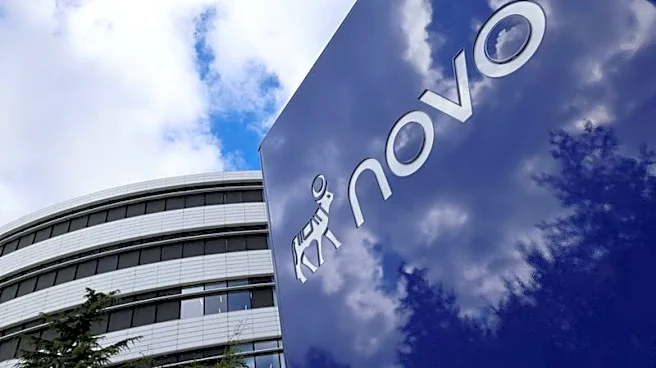
Novo Nordisk is scheduled to release its nine-month 2026 results on Wednesday, November 4, 2026, before the Copenhagen market opens. For U.S. investors, the company's American Depositary Receipts (ADRs), traded on the New York Stock Exchange under the ticker
NVO, present distinct considerations for options trading compared to the Danish-listed B shares. Each NVO ADR represents one Novo Nordisk B share, but they are different securities. The ADRs trade in U.S. dollars during U.S. market hours, while the B shares trade in Danish kroner in Copenhagen. This difference means that the dollar-krone exchange rate can influence the results for ADR holders, and the Copenhagen market's reaction to earnings can occur hours before New York opens. For options traders, a covered call on NVO ADRs must be covered by the ADRs themselves, not the Copenhagen shares, to avoid open-ended risk.
Why It's Important?
This distinction between Novo Nordisk's Danish-listed shares and its U.S.-traded ADRs is crucial for American investors, particularly those engaging in options trading. The currency exchange rate introduces an additional layer of volatility and risk that is not present when trading the underlying Danish shares directly. Furthermore, the time difference in market openings means that significant price movements in Copenhagen following the earnings release could impact the NVO ADRs before U.S. markets even begin trading, potentially affecting options strategies. Investors using covered calls or cash-secured puts need to be acutely aware of which security their options are written on to manage risk effectively. Misunderstanding these differences could lead to unexpected financial outcomes, especially given the high-risk nature of options trading. The situation highlights the complexities involved in trading international companies through ADRs on U.S. exchanges.
What's Next?
Ahead of Novo Nordisk's earnings report on November 4, 2026, U.S. investors holding or considering options on NVO ADRs will need to carefully assess their strategies. The market's implied volatility, as indicated by option prices, suggests a potential movement of approximately 8.5% in either direction for the ADRs by the November 20 expiry. Investors should monitor the bid-ask spread and open interest for their chosen strikes and be prepared for potential price gaps between the Copenhagen and New York trading sessions. An early release of results, as has happened in the past, could also impact trading. It is essential for investors to have a clear exit plan and understand the assignment risk associated with American-style options, which can be assigned any day before expiry if they move in the money. The choice between short-term weekly options and longer-term monthly options will also depend on individual trading objectives and risk tolerance.
Beyond the Headlines
The scenario with Novo Nordisk's ADRs and options trading illuminates a broader theme in global finance: the increasing interconnectedness of international markets and the unique challenges this presents for investors. The existence of ADRs facilitates U.S. investment in foreign companies but introduces complexities related to currency fluctuations, differing market hours, and distinct regulatory frameworks. This situation underscores the importance of due diligence for investors, particularly when engaging in sophisticated financial instruments like options. It also highlights the role of financial education in helping investors understand the nuances of cross-border investments. As more international companies seek listings on U.S. exchanges, these considerations will become increasingly relevant, shaping investment strategies and risk management practices for a growing number of American investors.