








What's Happening?
A new report, the second edition of 'From the Ground Up,' indicates that significant gaps persist in the regenerative agriculture programs of major food companies. The report, published by As You Sow, a leading shareholder representative, benchmarks 19
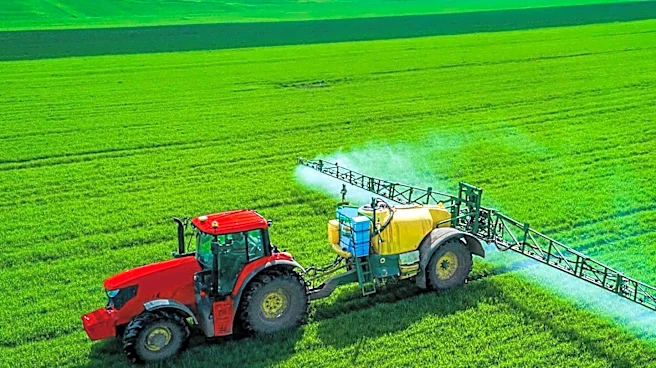
food companies on their regenerative agriculture initiatives, policies, and goals. While some companies have shown improvement, such as Danone moving from a D to a B, others like Conagra have seen their scores decline, with Conagra eliminating pesticide disclosures and ceasing to report several metrics previously used to assess regenerative agriculture outcomes. The report highlights that companies making regenerative claims often fail to measure and report progress adequately, raising concerns about 'greenwashing.' It emphasizes that measurement and verification of regenerative practices and outcomes remain an industry-wide weakness. Regenerative agriculture is presented as a solution to the environmental and health costs of industrial agriculture, which includes issues like water pollution, soil degradation, and biodiversity loss due to heavy pesticide and fertilizer use.
Why It's Important?
This report is crucial for U.S. consumers, investors, and the food industry as it sheds light on the actual progress and shortcomings of major food companies in adopting sustainable agricultural practices. The identified gaps in measurement and reporting can mislead consumers and investors about the true environmental impact of these companies, potentially undermining trust and the effectiveness of regenerative agriculture initiatives. For investors, the report provides critical criteria to assess company performance, risk, and long-term value related to regenerative agriculture programs, helping them make informed decisions. The concerns about 'greenwashing' underscore the need for greater transparency and accountability within the industry. The broader adoption of genuine regenerative agriculture practices could lead to significant improvements in soil health, water quality, and biodiversity, contributing to a more resilient and sustainable U.S. food system, which is vital for national food security and public health.
What's Next?
The findings of this report are likely to prompt increased scrutiny from shareholders, advocacy groups, and potentially regulatory bodies regarding the regenerative agriculture claims of major food companies. Companies with declining scores or identified gaps may face pressure to enhance their reporting and implement more robust measurement and verification systems. Investors may use this report to engage with companies on their environmental, social, and governance (ESG) performance, pushing for greater transparency and tangible progress. There could also be a push for standardized metrics and certification systems for regenerative agriculture to ensure consistency and prevent 'greenwashing.' Consumers, becoming more aware of these issues, might increasingly demand products from companies that demonstrate verifiable commitment to sustainable practices, influencing market trends and corporate strategies in the U.S. food sector.
Beyond the Headlines
The report's emphasis on the critical gaps in regenerative agriculture programs points to a deeper challenge within the U.S. food industry: the difficulty of transitioning from conventional, industrial farming practices to truly sustainable ones. Industrial agriculture, while making food affordable, has created significant 'ecosystem debt' through its impact on soil, water, and biodiversity. Regenerative agriculture aims to reverse this by focusing on improving soil health and resilience. The struggle to implement and verify these practices highlights the systemic changes required, including investment in new technologies, farmer education, and supply chain adjustments. This issue also touches upon the ethical responsibility of corporations to accurately represent their environmental efforts and the broader societal debate on how to balance food production efficiency with ecological stewardship. The report serves as a call to action for a more honest and effective approach to sustainability in the agricultural sector.